
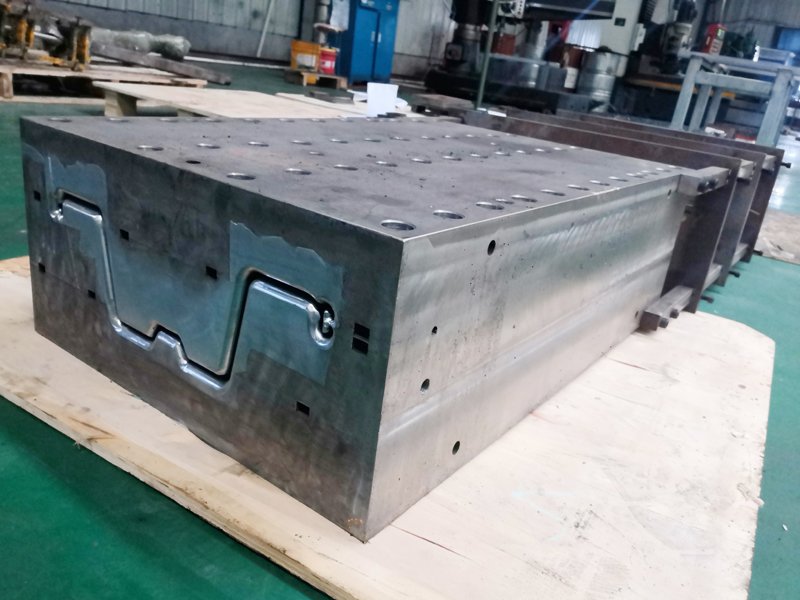
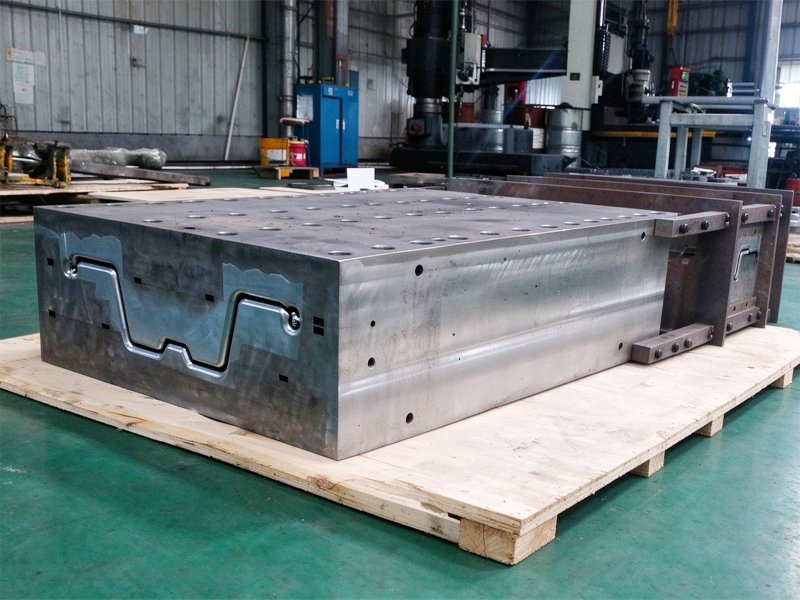
High-Precision FRP Sheet Pile Mold & Fiberglass Pultrusion Die Manufacturer
FRP sheet pile molds are engineered for marine and retaining wall applications. TOLIKE delivers custom, precision-machined pultrusion dies with full technical support.| Parameter | Standard Tooling | TOLIKE High-Performance Tooling |
| Interlocking Design | Standard clearance | Customized precise interlocking |
| Dimensional Accuracy | Standard tolerance | High precision (based on drawing) |
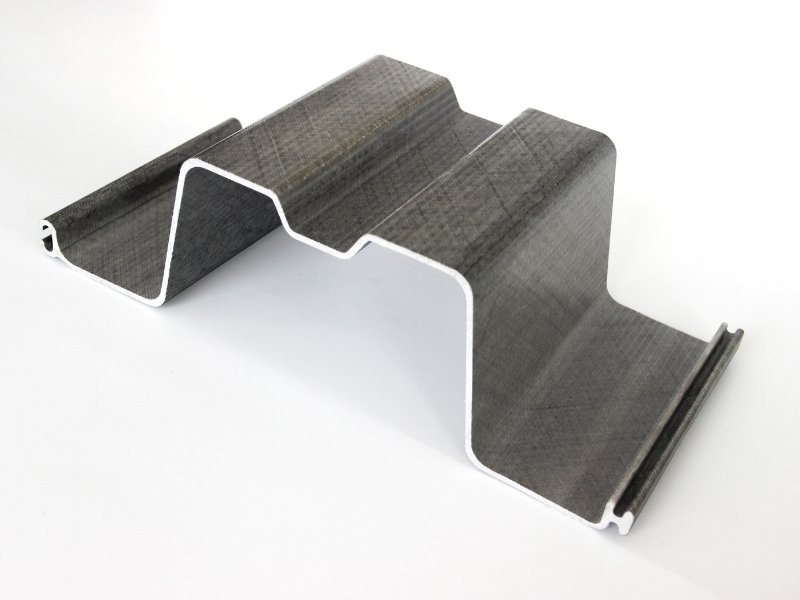
| Profile Dimensions | Fixed sizes | Fully Customizable (Z-pile, U-pile, Flat) |
| Applicable Resin | Limited compatibility | UP, Vinyl Ester, Epoxy, PU |
Contact Our Team
Get professional support for pultrusion equipment, dies, and profilesFRP Sheet Pile Mould for Custom Fiberglass Sheet Pile Production
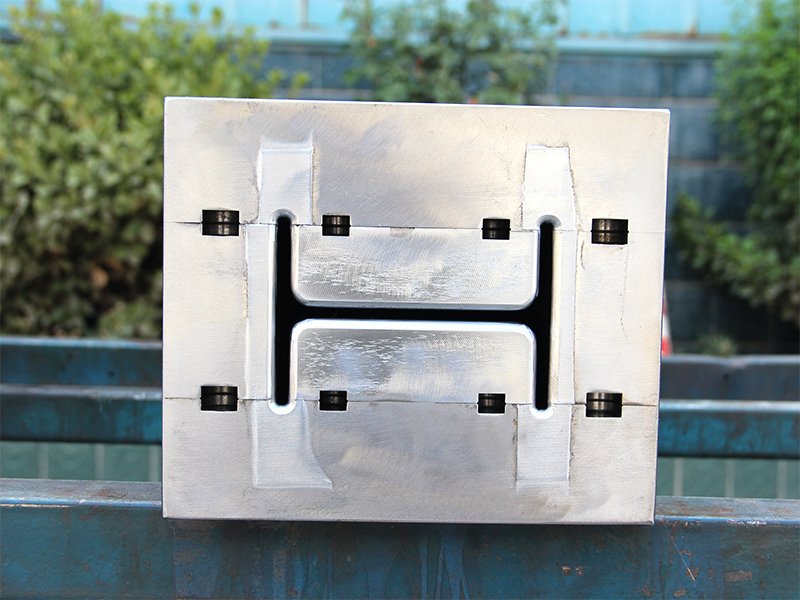
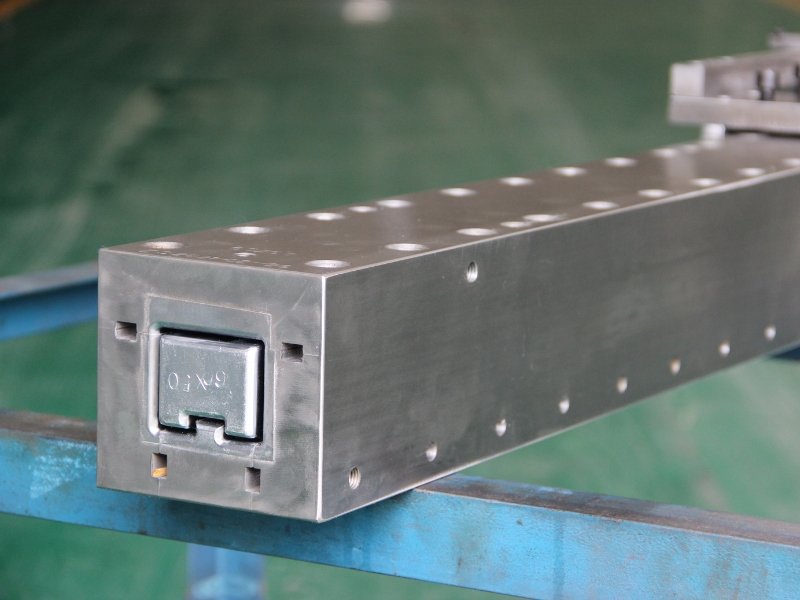
Tolike is a premier fiberglass sheet piling tooling manufacturer, operating our own factories in China. We engineer and fabricate precision dies specifically for producing high-strength composite Z-piles, U-piles, and flat profiles. As a factory-direct supplier, we offer fully customizable cavity designs, advanced laser quenching, and hard chrome plating to perfectly align with your specific geometry and resin requirements.
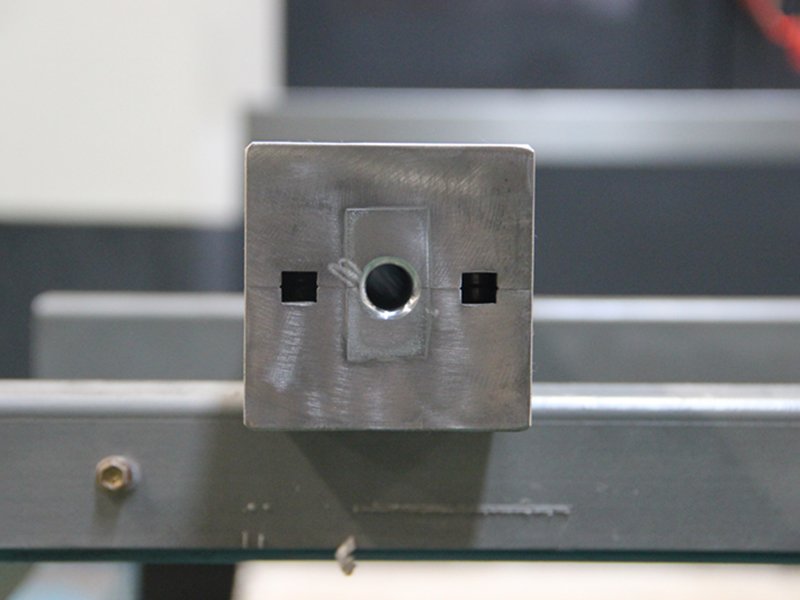
For manufacturers producing FRP sheet piles, tooling design plays an important role in profile accuracy, interlocking geometry, surface quality, and production stability. The die must be developed around the required sheet pile cross-section, material system, curing conditions, and pultrusion equipment configuration.
TOLIKE provides customized FRP sheet pile pultrusion molds based on customer drawings and production requirements. Whether you are developing a new fiberglass sheet pile profile or adapting tooling for an existing production line, the mold design should reflect the intended profile geometry, installation method, and manufacturing conditions.
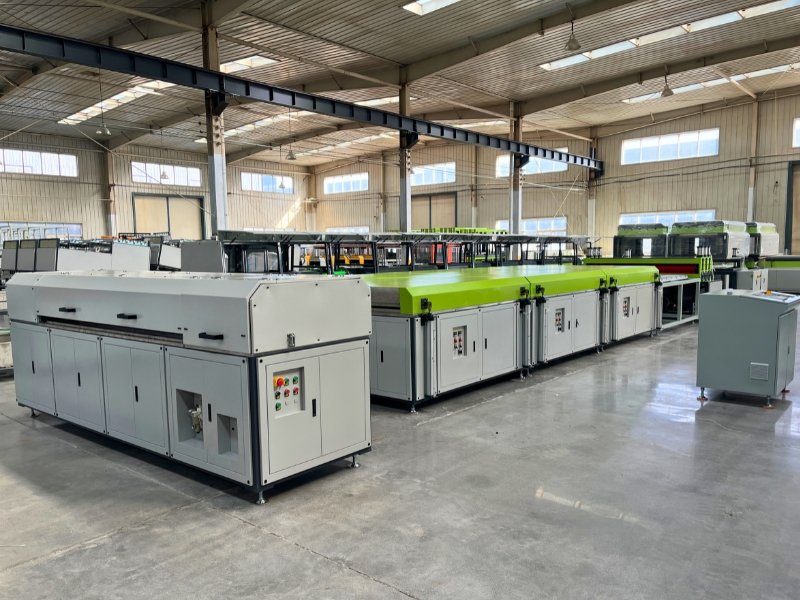
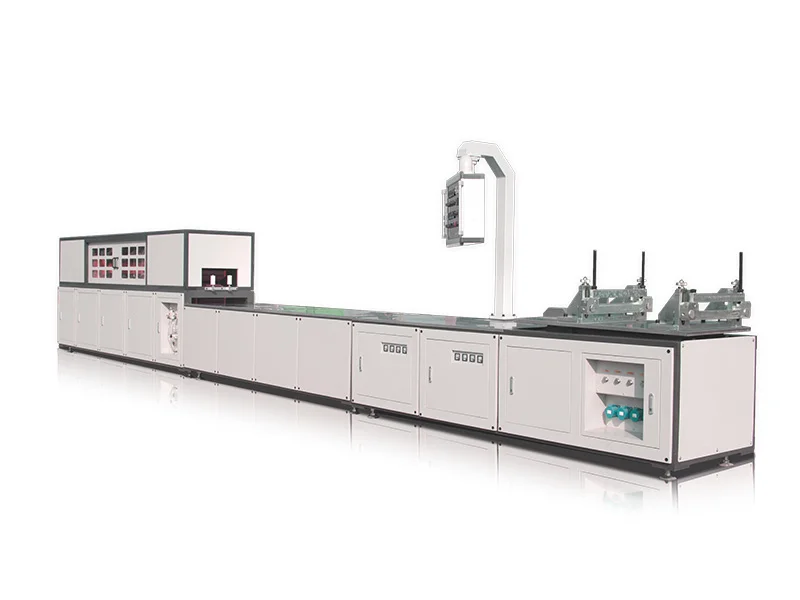
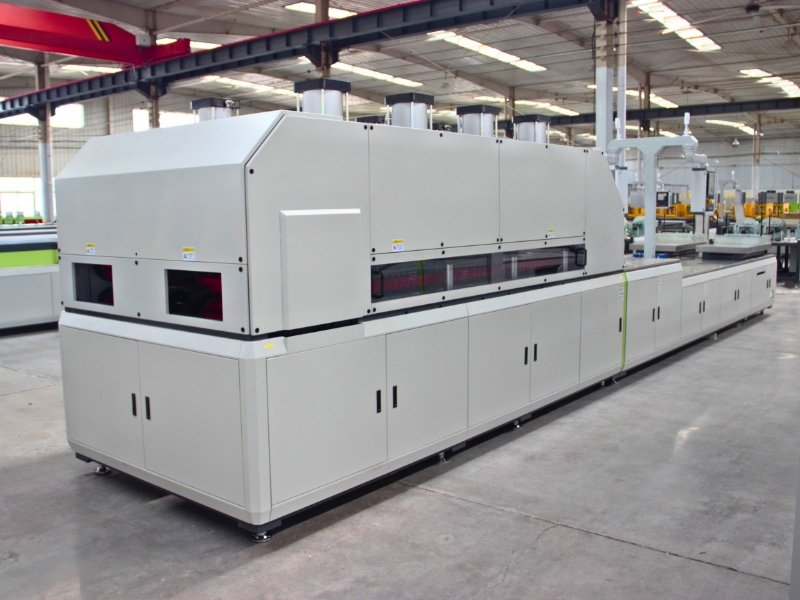
With experience in FRP pultruded profiles, custom molds, and pultrusion production equipment, TOLIKE also provides technical guidance to help customers coordinate tooling design with equipment compatibility and production preparation.
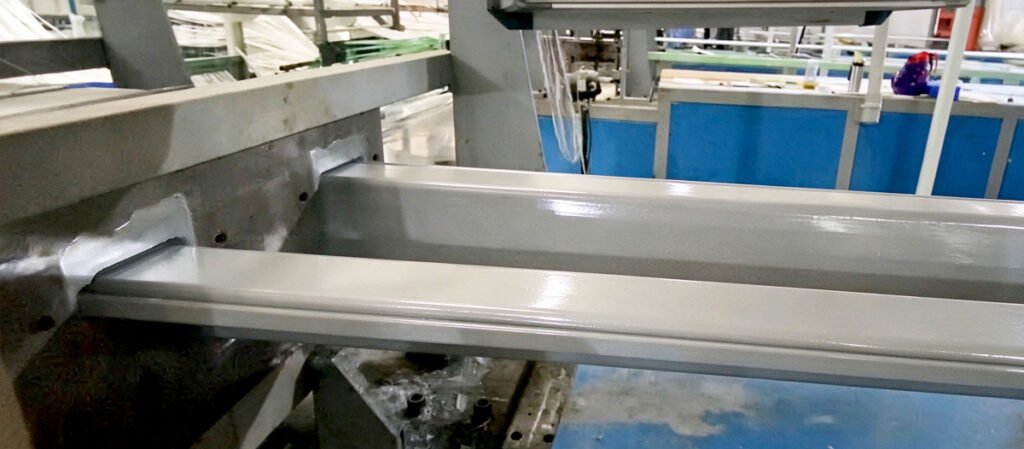
What Is an FRP Sheet Pile Mould?
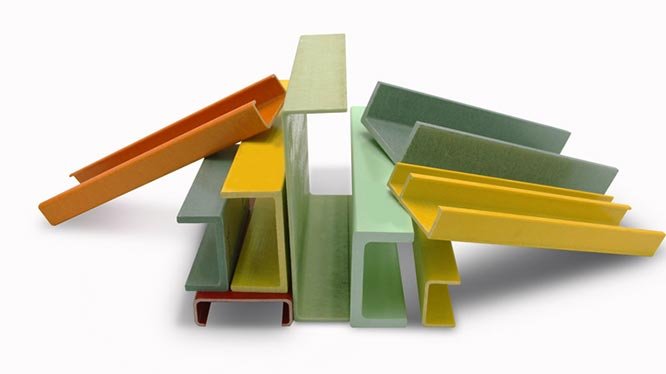
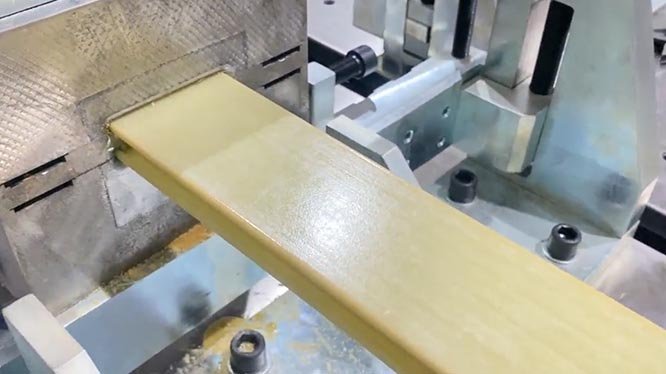
FRP (fiber-reinforced polymer) sheet pile molds are heavy-duty pultrusion dies used to manufacture continuous fiberglass sheet piles for applications such as retaining walls, seawalls, and flood control structures. These molds shape resin-impregnated fiberglass into specific cross-sectional profiles—such as Z-shapes, U-shapes, or flat panels—while curing the resin as the material passes through a heated cavity.
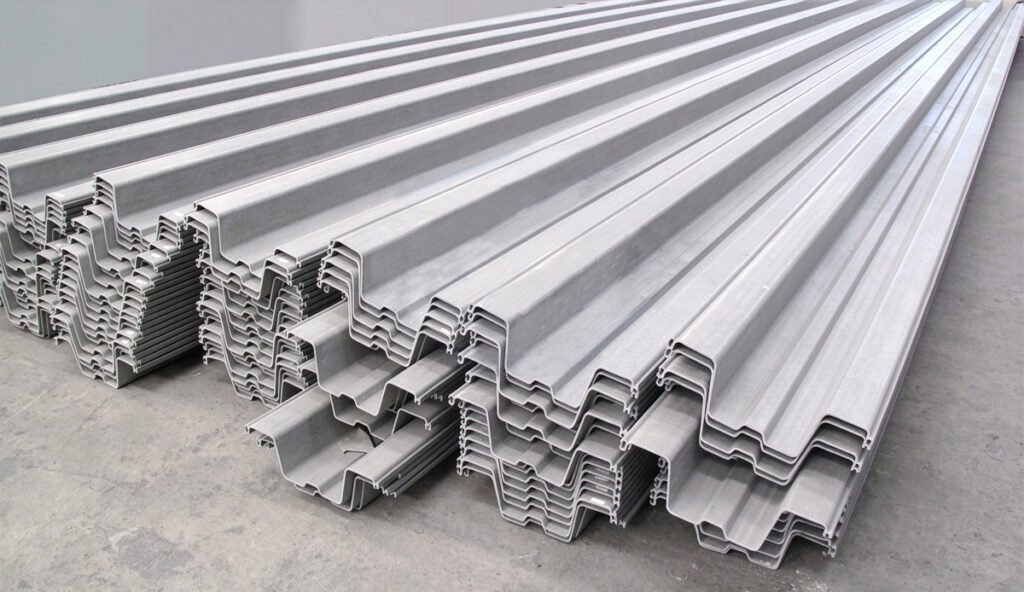
Key Parameters for Fiberglass Sheet Pile Dies
| Engineering Property | Tolike Standard Value | Benefit to Production |
| Mould Specification | Fully Customizable | Tailored to project structural loads. |
| Cavity Hardness | HRC 55 or higher | Immune to fiber-induced abrasion. |
| Surface Smoothness | Ra 0.025 ~ 0.05 | Reduces pulling force and energy costs. |
| Laser cladding layer thickness | Maximum 1mm | Significantly extend mold life. |
| Angle Tolerance | ± 0.5° | Precision fit for structural joints. |
Advantages and Benefits of FRP Sheet Piles
The manuacturing of FRP (fiber-reinforced plastic) sheet pile molds relies entirely on high-precision CNC (computer numerical control) machining, ensuring excellent straightness and tight tolerances. These molds offer advantages that cannot be matched by plastic or steel alternatives:
1. High-Precision CNC Machining
Manufactured with advanced CNC technology to guarantee exceptional straightness, tight tolerances, and flawless interlocking for your sheet piles.
2. Unmatched Corrosion Resistance
Producing profiles that never rust. With tailored resin systems, they withstand saltwater and harsh chemicals, ideal for marine and coastal environments.
3. High Strength-to-Weight Ratio
Engineered for superior structural performance with reduced weight, making transportation, handling, and on-site installation significantly easier.
4.Maintenance-Free Longevity
Eliminates the need for expensive rust repairs and protective coatings, effectively drastically reducing your long-term operational and overall asset maintenance costs.
5. Custom Profile Geometry
We precisely machine the die cavity to match your exact engineering drawings, including complex cross-sectional shapes and interlocking mechanisms.
6.Superior Electrical Insulation
The inherently non-conductive nature of fiberglass makes these sheet piles safe and reliable for infrastructure projects where electrical insulation is critical.

Why Choose Tuolike’s FRP Sheet Pile Moulds
Precision Interlocking Design – The die cavity is machined to exact tolerances to ensure the finished FRP sheet piles interlock tightly, preventing water and soil leakage.
High-Precision Cavity – Polished to Ra 0.025–0.05 μm for smooth surfaces and reduced friction during the pultrusion process.
Premium P20H Steel – Base hardness HRC 34–38 provides a stable foundation for heavy-duty, continuous production.
Laser Quenching – Surface hardness reaches HRC 55+, with deformation controlled within 0.1 mm to maintain the straightness of long sheet piles.
Hard Chrome Plating – Optional plating increases surface hardness to HRC 58–62, extending die life for abrasive fiberglass and harsh chemical environments.
If you are producing FRP sheet piles and need a mold that holds tight tolerances and delivers flawless interlocking, send us your drawing or specification.
We’ll tell you what we can do — die design, cavity dimensions, resin system, and lead time.