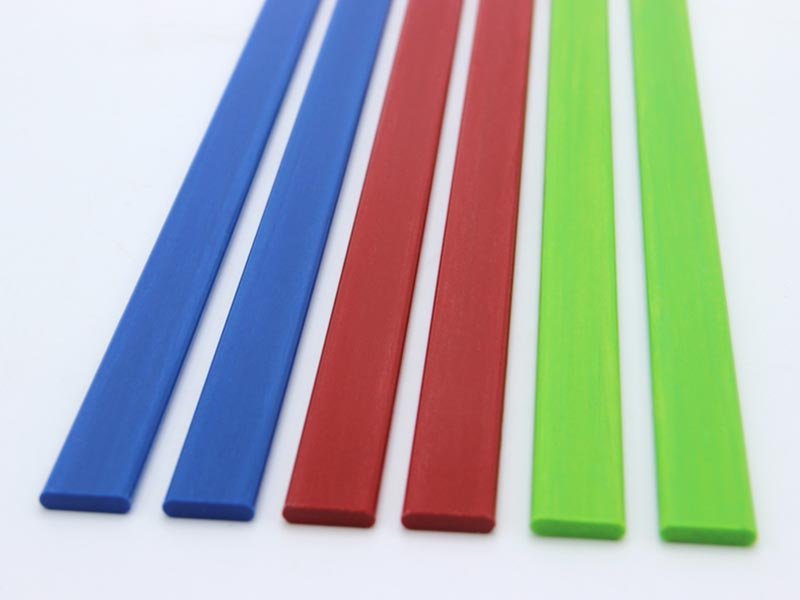
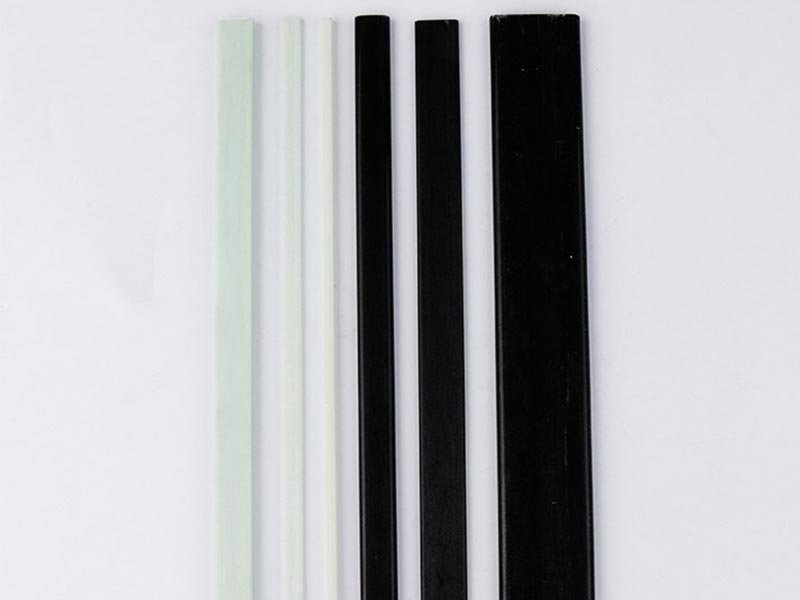
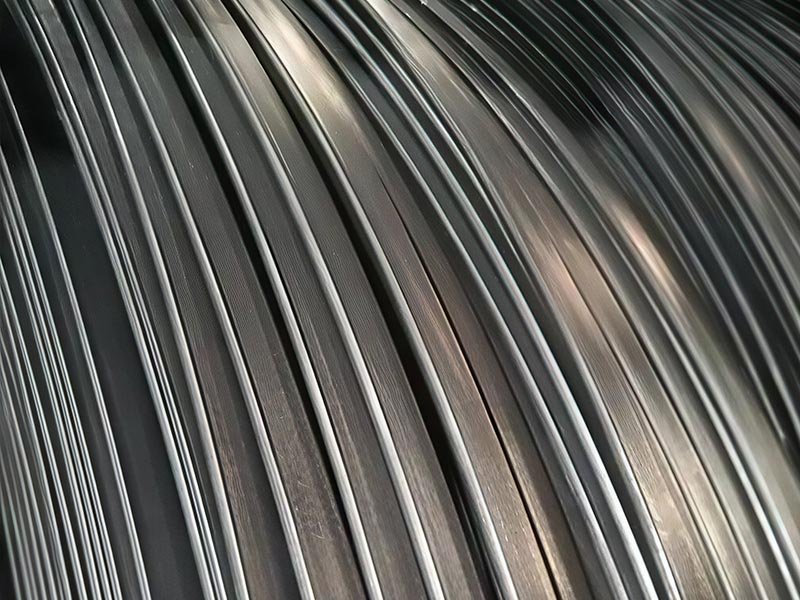
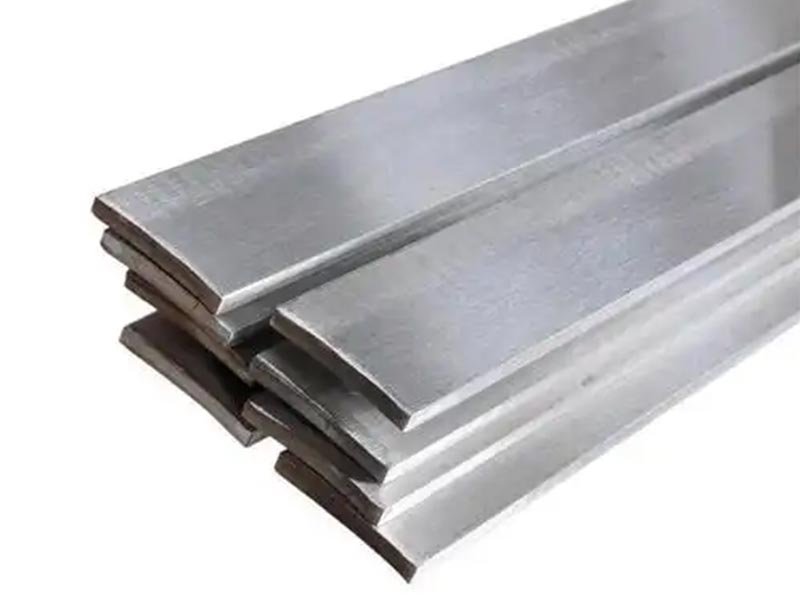
Fiberglass flat strips are commonly used basic profiles in industrial equipment, construction projects, and electrical equipment. They are primarily used for structural reinforcement, component connections, support positioning, and edge protection. Traditional flat strips on the market are mostly made of metals such as steel and aluminum. In environments with high humidity, severe corrosion, or electrical insulation requirements, metal flat strips are prone to rusting, resulting in increased maintenance work and potential electrical hazards due to their conductivity.
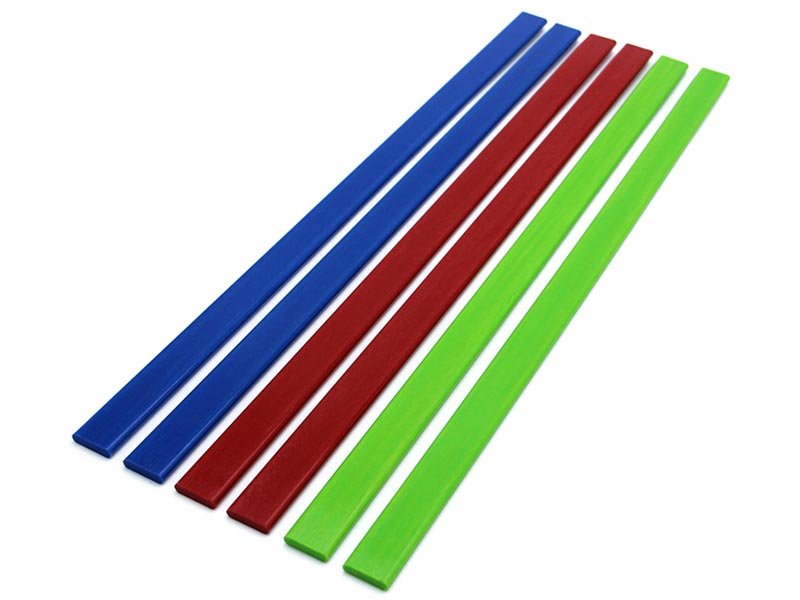
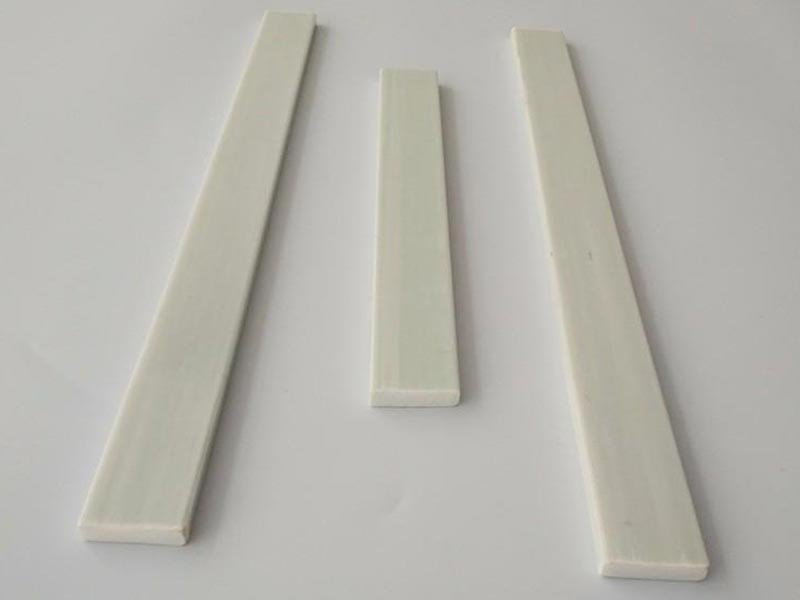
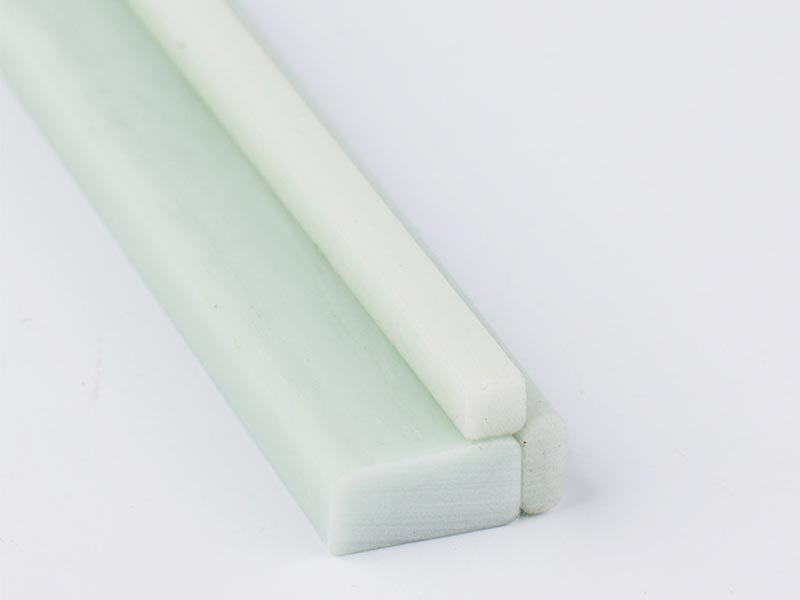
Fiberglass flat strips, also known as FRP flat strips, are elongated profiles made from a combination of glass fibers and resin. They are lightweight, corrosion-resistant, and electrically insulating, making them suitable for a wide range of industrial structures and auxiliary components.
When selecting these products, many purchasing and engineering professionals focus on several key questions: What applications are Fiberglass Flat Bar suitable for? How do they differ from conventional metal flat strips? What specifications should be considered when purchasing them? The following sections provide detailed answers.
What Is a Fiberglass Flat Strip?
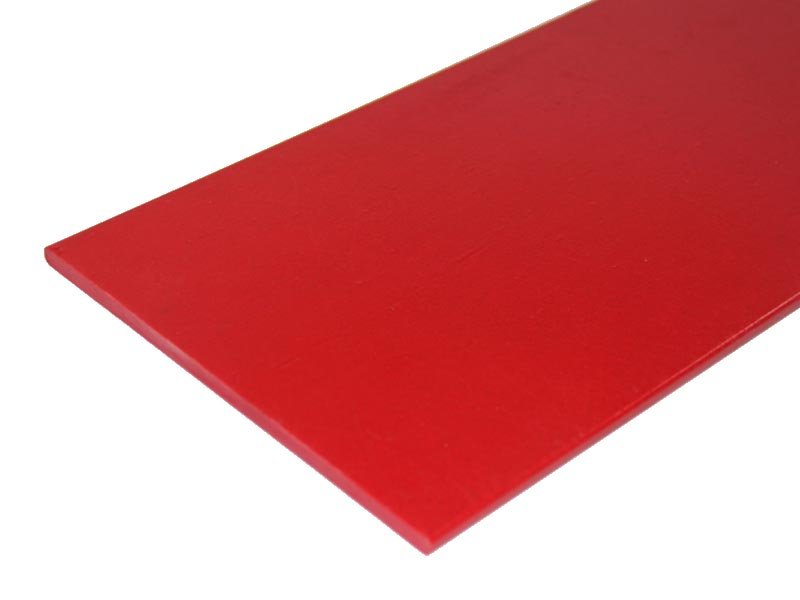
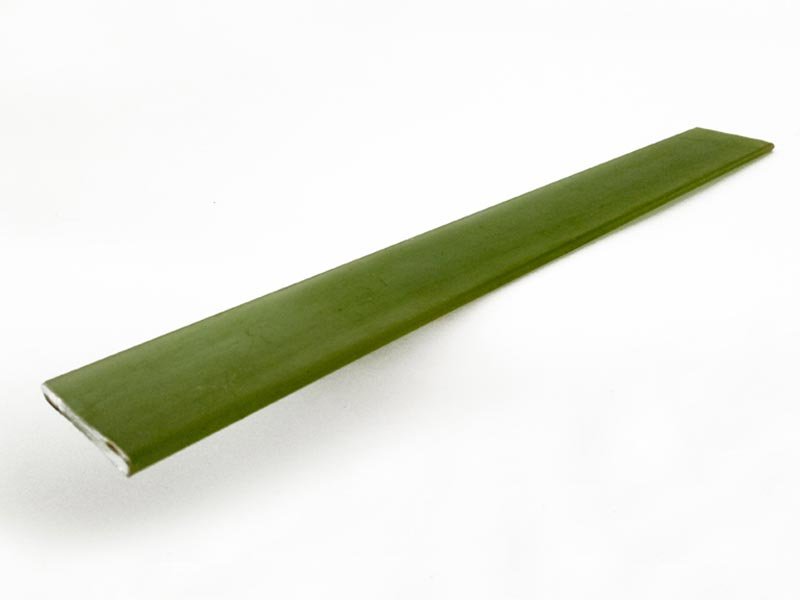
A fiberglass flat strip is a fiber-reinforced polymer (FRP) profile with a rectangular cross-section. Its width is typically greater than its thickness, making it a commonly used basic composite profile in industrial applications.
Fiberglass flat strips are primarily composed of two components:
- Glass fibers: Serve as the reinforcing material, providing strength and stiffness to the profile.
- Resin matrix: Binds the glass fibers together and influences the material’s corrosion resistance, heat resistance, and other performance characteristics.
To meet different operating requirements, various resin systems can be used in production, such as unsaturated polyester resin, vinyl ester resin, and epoxy resin. When selecting a product, the appropriate resin system can be chosen based on the operating environment, the mechanical performance requirements of the equipment, and the project’s budget.
How Are Fiberglass Flat Bar Manufactured?
Fiberglass flat strips used in industrial applications are primarily manufactured using the pultrusion process, which is a highly suitable and reliable method for producing consistent profiles.
During production, glass fibers are impregnated with resin, preformed, and then cured in a heated die. The profile is continuously pulled through the die to produce a finished product with a fixed cross-section.
This process is suitable for mass production of profiles with consistent cross-sectional shapes and allows for effective control of dimensional accuracy and surface quality. For projects with specific installation requirements, the width, thickness, length, and color can also be customized according to the design specifications.
It is important to note that in pultruded FRP profiles, the glass fibers are generally aligned along the length of the product. This fiber orientation enhances the profile’s longitudinal mechanical properties, providing greater tensile and compressive strength. In practical load-bearing applications, however, the overall load capacity is also affected by several factors, including the cross-sectional dimensions, fiber arrangement, resin system, installation method, and actual load direction. These factors should be considered together when selecting and installing the profiles.
What Are the Main Advantages of Fiberglass Flat Strips?
When purchasing fiberglass flat strips, buyers should consider not only the unit price but also installation, maintenance, and long-term operating costs. Compared with traditional metal flat strips,FRP Flat Strips offer significant overall advantages and cost-effectiveness. Their key benefits include:
01——
Lightweight
FRP is lighter than steel. For the same specifications, fiberglass flat strips weigh less, making them easier to handle and install while reducing the load on the overall structure and helping improve overall installation efficiency on site.
02——
Corrosion Resistance
FRP does not rust and offers excellent corrosion resistance. It can be used for extended periods in harsh environments involving moisture, salt spray, and chemical acids or alkalis, offering a longer service life than traditional metal flat strips.
03——
Excellent Electrical Insulation
FRP is an electrically insulating composite material. It can be used in various electrical and power-related structures, helping eliminate the electrical safety risks associated with conductive metal profiles.
04——
Low Maintenance Requirements
Fiberglass flat strips do not require repainting or coatings. Their maintenance requirements are minimal, making them suitable for outdoor, humid, and hard-to-access environments while reducing maintenance costs.
05——
High Customization Flexibility
Fiberglass flat strips can be customized in terms of dimensions, color, and resin system to accommodate installation spaces and construction requirements, meeting the needs of various non-standard engineering applications.
Pultruded FRP profiles generally have glass fibers aligned along their length, enhancing longitudinal mechanical properties and tensile and compressive strength. However, load capacity also depends on cross-sectional dimensions, fiber arrangement, resin system, installation method, and load direction. These factors should be considered when selecting and installing profiles.
What Are the Common Applications of Fiberglass Flat Strips?
The applications of FRP Flat Strip depend primarily on their cross-sectional dimensions, mechanical properties, and operating conditions. They can be used as standalone auxiliary components or assembled with other FRP profiles, such as FRP angles, square tubes, and channels.
Industrial Equipment and Structural Support
Common applications include auxiliary equipment supports, structural reinforcement, connector plates, spacers, and edge protection. In humid or corrosive environments, they can reduce maintenance requirements associated with metal corrosion.
Wastewater Treatment and Chemical Facilities
In wastewater treatment plants and chemical facilities, fiberglass flat strips can be used for equipment supports, connectors, auxiliary frames, and localized reinforcement, making them suitable for areas where metal components are prone to corrosion.
Power and Electrical Equipment
Thanks to their electrical insulation properties, fiberglass flat strips can be used as supports and mounting components for electrical equipment, replacing certain metal parts and reducing electrical leakage risks.
Construction and Infrastructure
In construction and infrastructure projects, fiberglass flat strips are used for auxiliary frames, supports, connectors, and localized reinforcement. They are suitable for environments such as swimming pools and coastal areas where corrosion protection and metal maintenance need to be minimized.
Outdoor and Coastal Facilities
In coastal environments exposed to salt spray and moisture, fiberglass flat strips can be used for outdoor equipment supports, mounting components, and corrosion-resistant frames.
What Is the Difference Between Fiberglass Flat Strips and Metal Flat Strips?
Fiberglass flat strips are often compared with flat strips made of carbon steel, stainless steel, or aluminum alloy. The choice of material depends primarily on the operating environment and actual performance requirements.
|
Comparison Item |
Fiberglass Flat Strips |
Carbon Steel Flat Strips |
Stainless Steel Flat Strips |
|
Material Density |
Generally lightweight |
Relatively heavy |
Relatively heavy |
|
Corrosion Resistance |
Do not rust; chemical resistance depends on the resin system |
Usually requires corrosion protection |
Depends on the stainless steel grade and operating environment |
|
Electrical Properties |
Typically electrically insulating |
Electrically conductive |
Electrically conductive |
|
Routine Maintenance |
Low maintenance requirements under suitable operating conditions |
May require rust removal and repainting |
Depends on the operating environment |
|
Mechanical Properties |
Anisotropic properties; stiffness and connection design must be considered |
Relatively uniform mechanical properties in different directions |
Exhibits the mechanical properties of metal |
|
Key Considerations |
Resin chemical resistance, UV resistance, stiffness, and connections |
Corrosion protection, weight, and maintenance |
Material grade, corrosive environment, and cost |
When Should You Choose Fiberglass Flat Strips?
For first-time purchases, use samples to verify dimensions, appearance, processing methods, and assembly compatibility. Applications involving structural loads or electrical safety require validation against relevant design and testing requirements. Clear product specifications, material information, and customization support from the supplier can streamline product selection, trial assembly, and bulk purchasing.
How to Choose the Right FRP Flat Strip
The key to selecting fiberglass flat strips is to match the product specifications and performance to the actual operating conditions. This helps meet the requirements of engineering procurement, equipment integration, and on-site installation. The following five factors should be considered:
Confirm the Dimensions and Specifications
The width and thickness of a flat strip determine its cross-sectional stiffness and load-bearing capacity, while its length affects transportation and installation. When purchasing, clearly specify the required width, thickness, cut length, and dimensional tolerances. If the strip needs to fit existing equipment, providing drawings or samples is recommended to ensure dimensional compatibility.
Select the Resin System Based on the Operating Environment
The resin system directly affects corrosion and heat resistance. Different applications require different resin materials.
For special operating conditions involving high temperatures, acids, or alkalis, resin selection should not be based on the resin type alone. Provide the chemical medium, concentration, and operating temperature so the supplier can recommend a suitable material.
Determine the Mechanical Load Requirements
For flat strips used for support, reinforcement, or connections, distinguish between tensile, bending, and shear loads. Select the appropriate profile based on the span, mounting method, sustained loads, and allowable deformation. Pultruded FRP profiles generally offer higher longitudinal strength, but selection should not rely solely on tensile strength data. The profile must also be suitable for the actual load direction.
Verify the Surface Finish and Outdoor Weather Resistance
Choose the color and surface finish according to the application requirements. For long-term outdoor use, select a formulation with UV protection to help prevent material degradation. If secondary processing, such as bonding or painting, is required, confirm in advance that the surface finish is suitable for these operations.
Confirm Processing and Delivery Details
Before placing a bulk order, verify the supplier’s ability to provide custom specifications, prefabrication services such as cutting and drilling, product inspection reports, dimensional tolerances, and batch-to-batch consistency. Also confirm the minimum order quantity, lead time, and packaging arrangements to ensure the project stays on schedule.
What Should You Confirm with Suppliers When Purchasing Fiberglass Flat Strips?
Many Fiberglass Flat Bar on the market look similar in appearance and dimensions, but there can be significant differences in resin formulations, fiber structures, and production quality control standards among manufacturers. These differences can lead to substantial variations in service life and performance consistency.
When purchasing, do not compare products based on unit price alone. It is recommended to confirm key specifications with the supplier before requesting a quotation to avoid low-cost, non-standard products that may not meet application requirements or may be prone to premature aging.
|
Procurement Information |
Recommended Information to Provide |
|
Product Dimensions |
Width, thickness, length, and dimensional tolerances |
|
Order Quantity |
Sample quantity, trial order quantity, or bulk order requirements |
|
Operating Environment |
Indoor, outdoor, coastal, wastewater treatment, or chemical environments |
|
Resin Requirements |
Polyester, vinyl ester, epoxy, or a supplier-recommended resin system |
|
Performance Requirements |
Load capacity, stiffness, electrical insulation, corrosion resistance, or weather resistance |
|
Processing Requirements |
Cutting, drilling, surface finishing, and other customization requirements |
|
Quality Documentation |
Technical data sheets, test reports, and relevant certifications required for the project |
For first-time purchases, samples can be used to verify dimensions, appearance, processing methods, and assembly compatibility. For applications involving structural loads or electrical safety, validation should also be carried out in accordance with the relevant design and testing requirements.
If the supplier can provide clear product specifications, material information, and customization support, subsequent product selection, trial assembly, and bulk purchasing will generally proceed more smoothly.
Conclusion
FRP flat strips are pultruded profiles widely used in various industrial support structures and engineering projects. They are lightweight, corrosion-resistant, electrically insulating, and available in custom specifications, making them suitable for projects that aim to reduce metal corrosion protection and maintenance requirements while minimizing structural weight.
However, material suitability ultimately depends on the actual operating conditions. Product selection should take into account dimensions, resin systems, mechanical properties, operating environments, and installation methods rather than relying solely on price or a single performance characteristic.
If your industrial equipment, construction project, or corrosion-resistant application requires FRP flat strips, first identify the required dimensions, operating conditions, and performance requirements. Then consult the manufacturer to confirm available standard sizes or customized solutions and select a product that meets your project requirements.
FAQ
References & Sources
1. FRP Material Properties and Applications Content-American Composites Manufacturers Association (ACMA)
2. Fiberglass Flat Strip Specifications and Material Options-Creative Composites Group
SIMILAR PRODUCTS
Fiberglass Tubes
Fiberglass Tubes Fiberglass Tubes Fiberglass Tubes are structural pultruded profiles with excellent corrosion resistance, electrical insulation, and non-magnetic properties. They effectively reduce weight and material consumption while maintaining high structural…GRP pultruded profiles
GRP pultruded profiles GRP pultruded profiles GRP pultruded profiles are made from high-strength glass fiber-reinforced polymer, offering high strength, low weight, excellent corrosion resistance, and good weather resistance. They are…