In many industrial and infrastructure projects, material selection directly affects structural performance, maintenance requirements, and lifecycle costs. Although steel and aluminum are widely used, they can be relatively heavy in corrosive environments and require regular corrosion protection and maintenance.
FRP pultruded profiles are manufactured through the pultrusion process, combining continuous glass fibers with thermosetting resin to form composite profiles. They are lightweight and high-strength, while also offering excellent corrosion resistance, electrical insulation, and long service life.
For structural applications exposed to moisture, chemical media, salt spray, or other harsh operating conditions over extended periods, Pultruded FRP profiles can reduce structural weight while improving overall durability.
FRP Pultruded Profiles vs. Steel and Aluminum
In industrial structural applications, FRP Profiles offer significant overall performance advantages compared with steel and aluminum.
Steel has high mechanical strength, but it is prone to rust in humid, chemical, and marine salt spray environments. Therefore, it requires corrosion protection treatments such as galvanizing and painting, followed by ongoing maintenance.
Aluminum is lightweight and offers a certain level of corrosion resistance, but it is inferior to FRP in terms of structural stiffness and electrical insulation.
FRP pultruded profiles provide high strength, excellent corrosion resistance, and low maintenance requirements. They are particularly suitable for industrial structures that require lightweight construction, durability, and long-term stable operation.
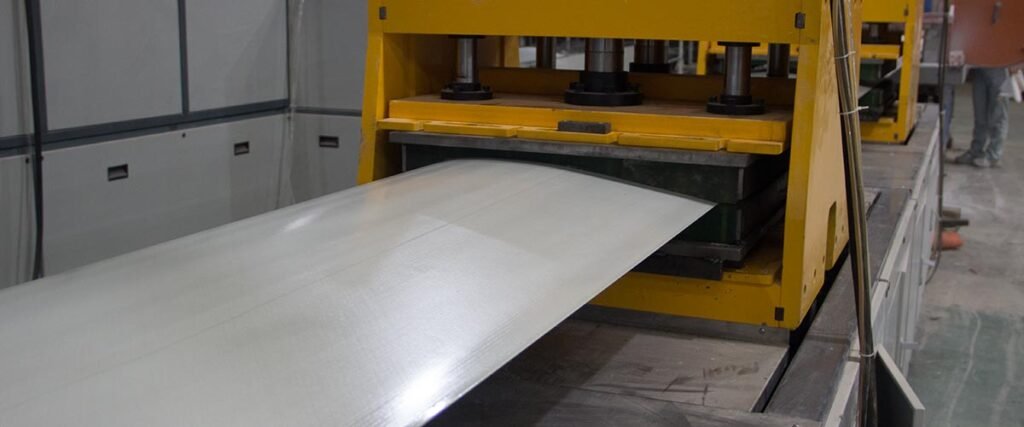
FRP Pultruded Profiles: Key Advantages
Lightweight and High Strength
One of the key advantages of FRP pultruded profiles is their excellent strength-to-weight ratio.
The profiles use continuous glass fiber reinforcement to provide excellent longitudinal structural strength, while the composite material has a relatively low overall density, effectively reducing structural dead weight.
Key advantages:
GRP pultruded profiles have a density of approximately 1.5–2.0 g/cm³. While maintaining structural stability and meeting performance requirements, they can achieve significant weight savings compared with conventional steel.
Excellent Corrosion Resistance
Excellent corrosion resistance is one of the key reasons FRP profiles are selected as an alternative to conventional metal materials in engineering applications.
Unlike steel and other metal materials, FRP does not corrode or rust under a wide range of harsh operating conditions and can withstand long-term exposure to:
- Moist and humid environments
- Coastal seawater and salt spray
- Various industrial chemicals
- Acidic and alkaline environments
- Corrosive industrial gases
Therefore, FRP pultruded profiles are well suited for highly corrosive operating environments and are widely used in:
FRP pultruded profiles do not require frequent anti-corrosion coating, painting, or rust prevention maintenance like metal materials, significantly reducing maintenance frequency and effectively lowering the overall lifecycle operating costs of a project.
Electrical Insulation Performance
FRP materials have excellent non-conductive properties. In power and electrical engineering applications, they can significantly improve overall operational safety.
Unlike steel and aluminum profiles, FRP materials are electrically non-conductive. During installation and use, they generally do not require additional electrical insulation protection, eliminating several associated installation processes.
Typical applications include:
With their stable electrical insulation properties, GRP profiles are well suited for working environments with stringent electrical safety requirements and are a preferred structural material for power engineering applications.
Thermal Insulation and Low Thermal Conductivity
Compared with traditional metal materials such as steel and aluminum, FRP pultruded profiles have lower thermal conductivity and excellent thermal insulation properties. They can effectively reduce heat transfer, minimize the high-temperature hazards associated with metal heat conduction, and significantly improve structural safety.
Key advantages include:
Low Maintenance Costs
The lifecycle cost of an engineered structure depends not only on the initial investment but also on long-term maintenance frequency and operating costs.
FRP pultruded profiles offer a long service life and excellent adaptability to harsh operating conditions, resulting in minimal overall maintenance requirements.
Key advantages include:
For structures installed at height, in remote areas, or in locations that are difficult to access for inspection and maintenance, the extremely low maintenance frequency of FRP pultruded profiles can significantly reduce overall lifecycle costs and provide substantial economic benefits.
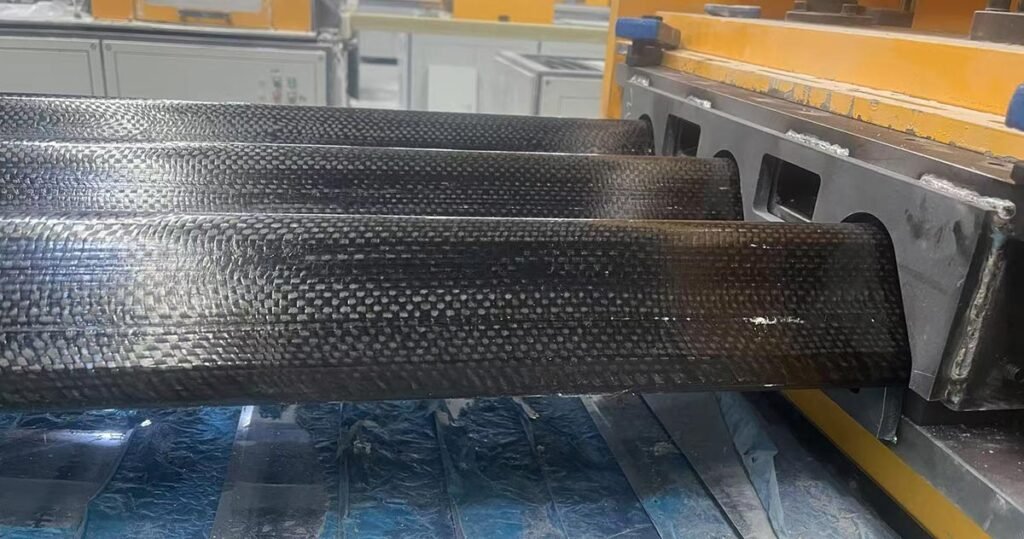
Performance Parameters of FRP Pultruded Profiles
FRP pultrusion profile can use unsaturated polyester, epoxy, or polyurethane resins as the matrix materials. Profiles made with different resin systems vary in their mechanical, physical, and electrical properties. The appropriate profile can be selected based on the project’s operating environment, load requirements, and insulation requirements. Key performance indicators for each type of profile are shown in the table below.
|
Properties |
Unsaturated Polyester Profiles |
Epoxy Profiles |
Polyurethane Profiles |
|
Mechanical properties |
Tensile Strength(MPa) |
250-600 |
500-1000 |
|
Tensile Modulus (GPa) |
20-35 |
40-60 |
50-60 |
|
Flexural Strength (MPa) |
250-600 |
500-1000 |
800-1200 |
|
Flexural Modulus(GPa) |
20-30 |
40-60 |
45-55 |
|
Compressive Strength (MPa) |
250-500 |
500-1000 |
500-1000 |
|
Shear Strength (MPa) |
20-35 |
55-65 |
60-80 |
|
lzod lmpact (KJ/㎡) |
200-400 |
500-800 |
600-1000 |
|
Physical properties |
Density (g/c㎡) |
1.8-1.9 |
1.9-2.1 |
|
Water Absorption (%) |
0.1-0.5 |
0.1-0.2 |
0.1-0.5 |
|
Barcol Hardness (HBa) |
50-60 |
50-70 |
50-70 |
|
Electrical properties |
Dielectric Strength(kv/mm) |
10-20 |
15-30 |
|
Surface Resistivity(Ω) |
10¹¹~10¹³ |
10¹²~10¹⁶ |
10¹¹~10¹³ |
|
Volume Resistivity(Ω.cm) |
10¹¹~10¹³ |
10¹²~10¹⁶ |
10¹¹~10¹³ |
Note: The values in the table are reference ranges for standard products. Actual performance can be adjusted based on the formulation and glass fiber content.
Typical Applications of FRP Pultruded Profiles
With their combination of lightweight construction, high strength, and excellent corrosion resistance, FRP profiles are widely used across various industries.
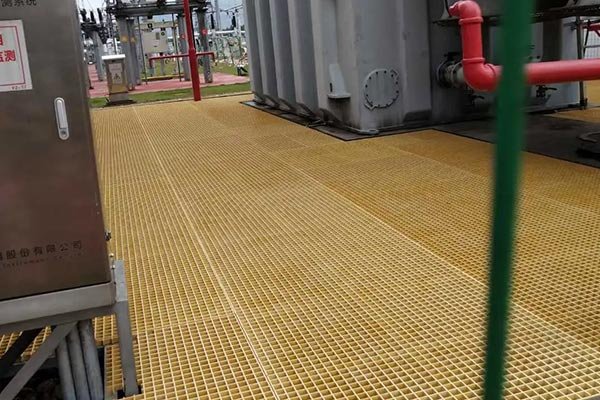
Industrial Platforms and Walkway Systems
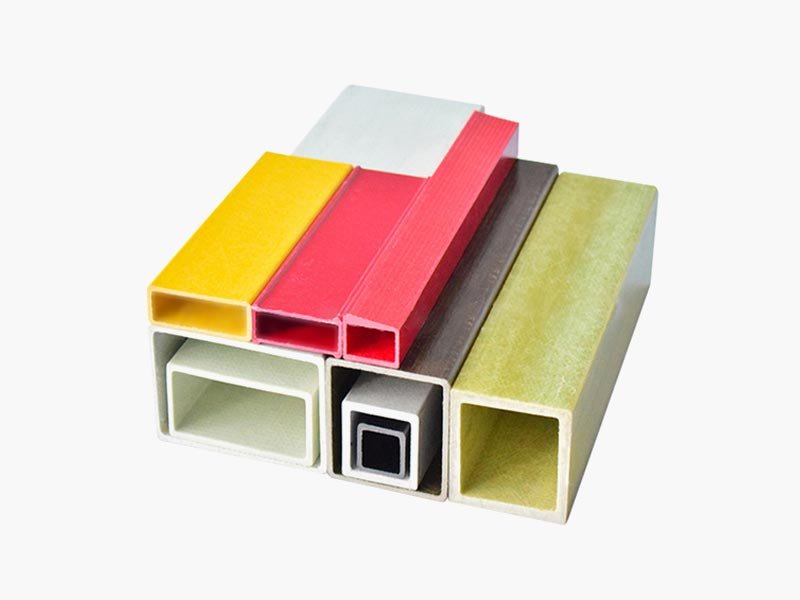
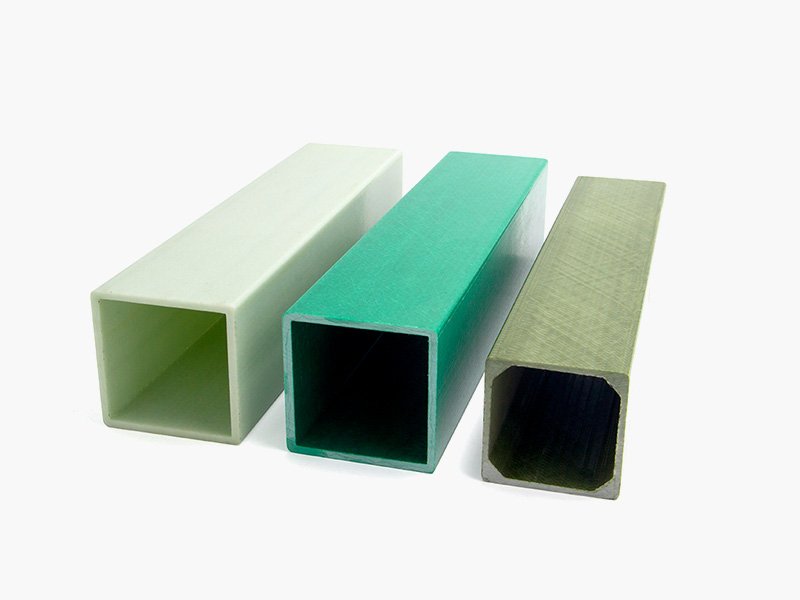
FRP I-beams, channels, square tubes, and handrail profiles are commonly used for industrial platforms, maintenance walkways, and various support structures.
Advantages:
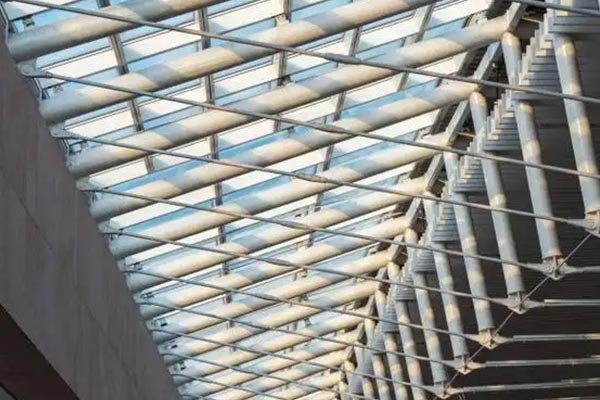
Chemical and Wastewater Treatment Facilities
In highly corrosive environments, FRP profiles can maintain stable performance over long periods, while conventional steel structures typically require frequent corrosion protection and maintenance.
Applications include:
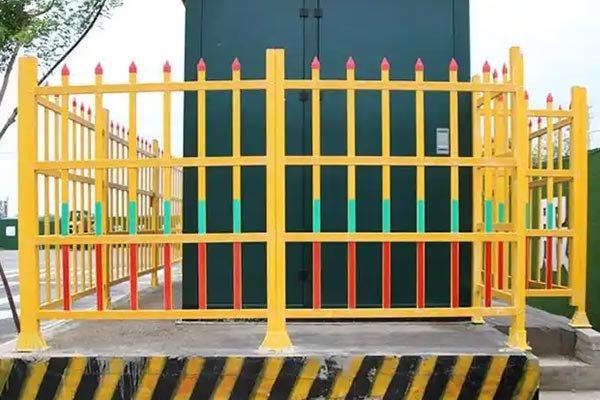
Power and Energy Infrastructure
Due to its electrical insulation and corrosion resistance properties, FRP is well suited for:
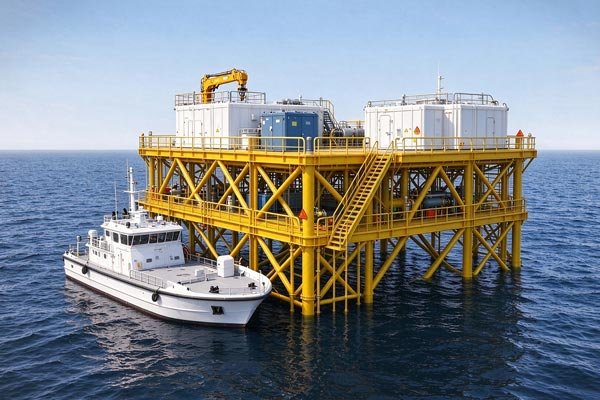
Marine and Coastal Structures
FRP performs well in saltwater and high-humidity environments.
Typical applications:
Custom FRP Pultruded Profile Processing Capabilities
The structural dimensions, operating conditions, and performance requirements of different engineering projects vary. FRP pultruded profiles can be customized and processed according to specific project requirements to meet the application needs of various scenarios.
Custom Lengths:
FRP profiles are available in standard sizes and can also be precisely cut to custom lengths according to on-site installation requirements, accommodating different installation conditions.
Options include:
- Fixed-length cutting
- Custom continuous profiles in large dimensions
- Project-specific non-standard dimensions
Custom Colors:
FRP profiles can be manufactured in a wide range of colors according to project requirements, meeting engineering specifications and on-site identification needs.
Common applications include:
- Project identification
- Safety warning markings
- Standardized engineering appearance requirements
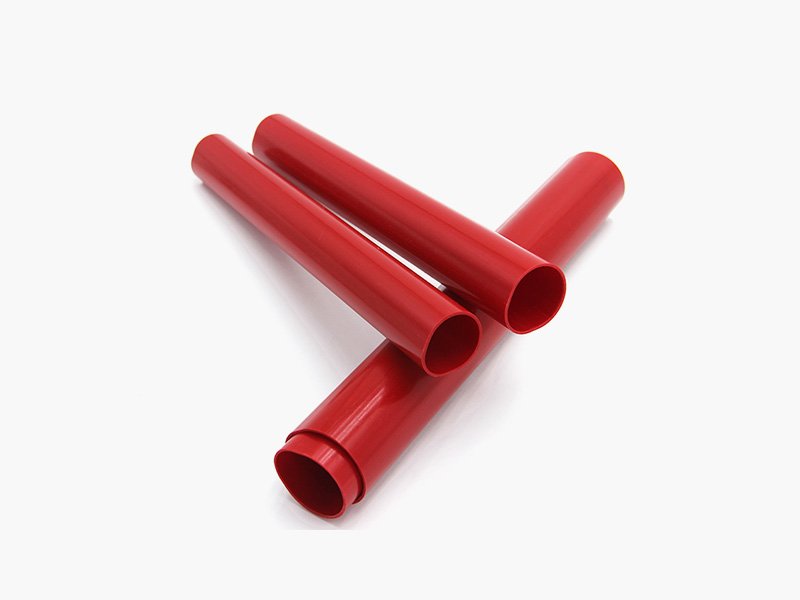
Common colors include yellow, gray, black, green, and red, with custom colors also available.
Manufacturing Services:
Professional FRP pultruded profile manufacturing can provide a one-stop, full-process service covering the entire project lifecycle:
- Profile structural design support
- Custom mold development
- Standardized pultrusion production
- Precision cutting and secondary processing
- Profile surface treatment
- Strict quality inspection
We provide complete FRP solutions covering preliminary design, customized manufacturing, and on-site delivery.
Conclusion
With its combination of lightweight construction, high strength, corrosion resistance, electrical insulation, low thermal conductivity, and low maintenance requirements, FRP pultruded profiles have become an advantageous structural material for replacing traditional metals such as steel and aluminum in harsh operating environments. Their core value is not only in reducing structural weight, but more importantly in significantly reducing maintenance frequency and component replacement costs in demanding environments such as salt spray, moisture, chemical corrosion, and high-voltage electrical applications, thereby improving the overall economic efficiency of a project’s lifecycle.
There is no absolutely best choice when selecting a material; the right choice depends on the operating conditions. If a project faces issues such as metal corrosion, high maintenance requirements, the need for electrical insulation, or structural weight reduction, FRP pultruded profiles can be an effective solution. However, for applications involving high temperatures, high impact loads, or mild operating environments with tight budgets, traditional metals such as carbon steel may be more suitable.
Overall, for engineering projects that require long-term operation in harsh environments and place a strong emphasis on structural durability, FRP pultruded profiles can provide a safe, practical, and cost-effective structural solution. If you have project drawings or operating condition parameters, you can submit an inquiry for consultation. Our technical engineers can provide a free evaluation and recommend a suitable FRP solution.
FAQ
References & Sources
1. Lightweight and high strength-American Society of Civil Engineers (ASCE)
2. Standards for Pultruded FRP Composites-ASTM International
3. Corrosion Resistant FRP-American Composites Manufacturers Association (ACMA)
SIMILAR PRODUCTS
Fiberglass Tubes
Fiberglass Tubes Fiberglass Tubes Fiberglass Tubes are structural pultruded profiles with excellent corrosion resistance, electrical insulation, and non-magnetic properties. They effectively reduce weight and material consumption while maintaining high structural…GRP pultruded profiles
GRP pultruded profiles GRP pultruded profiles GRP pultruded profiles are made from high-strength glass fiber-reinforced polymer, offering high strength, low weight, excellent corrosion resistance, and good weather resistance. They are…