Fiberglass rod
Fiberglass rod
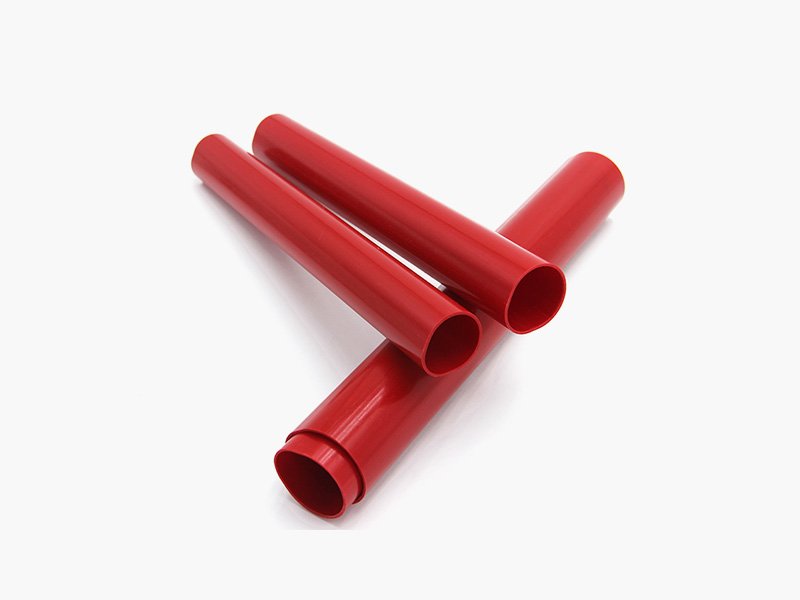
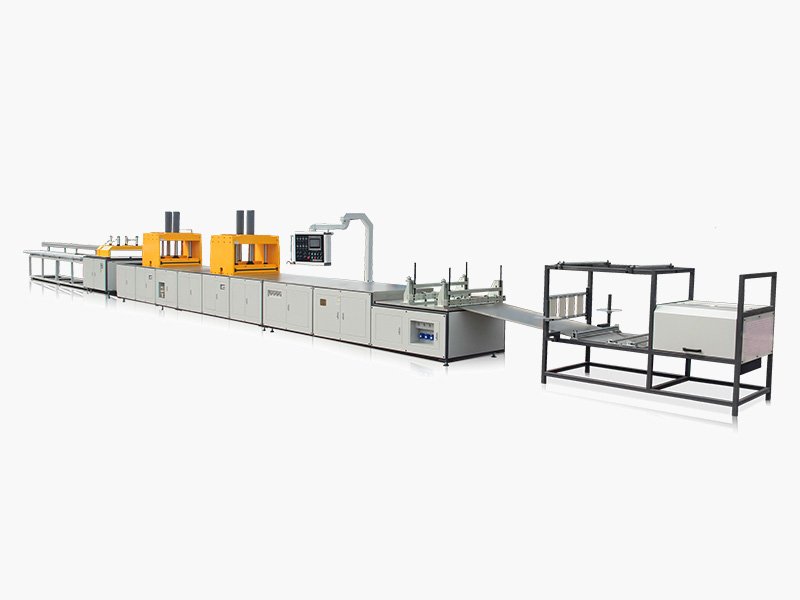
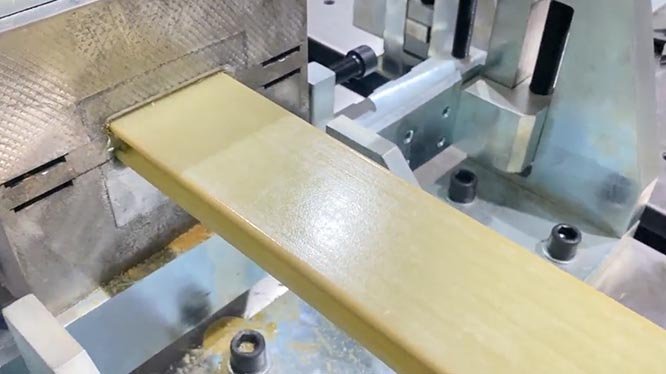
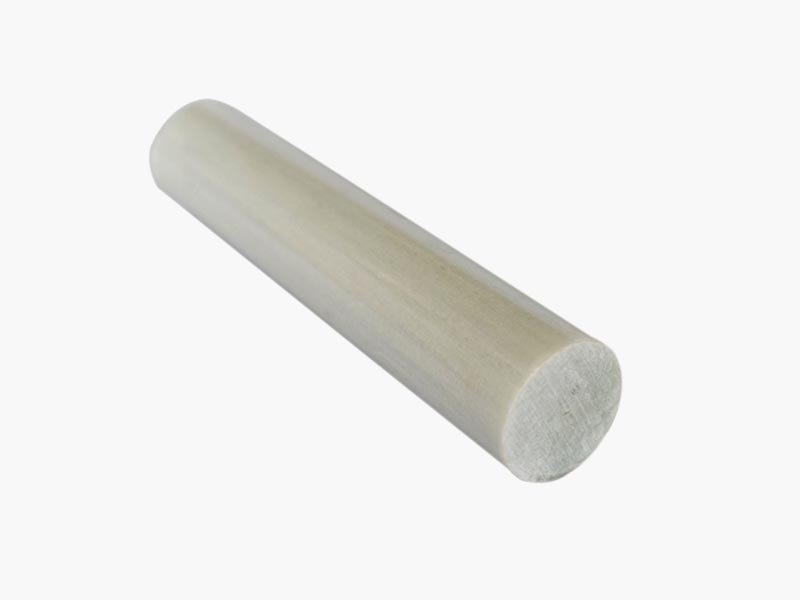
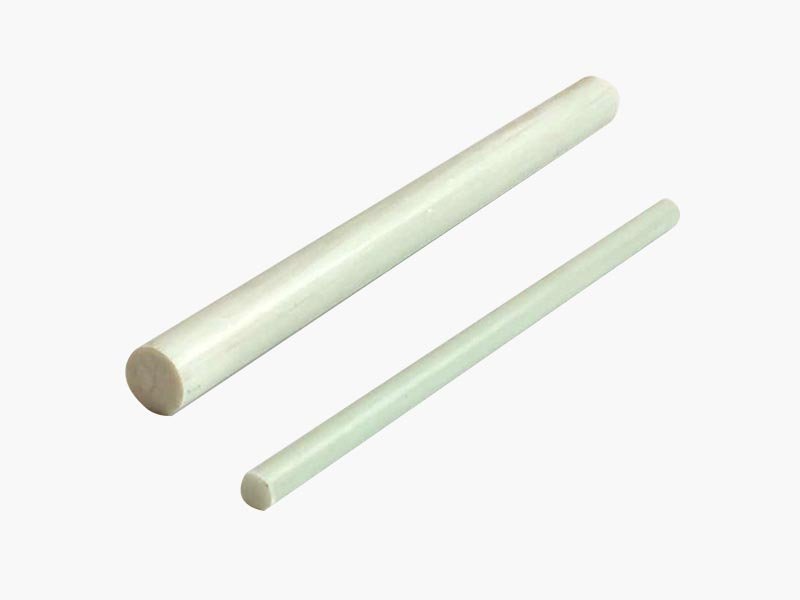
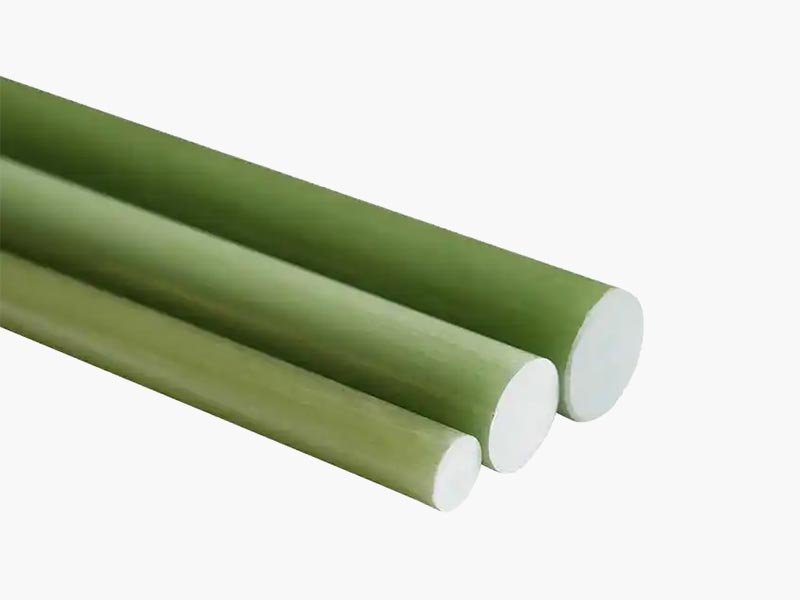
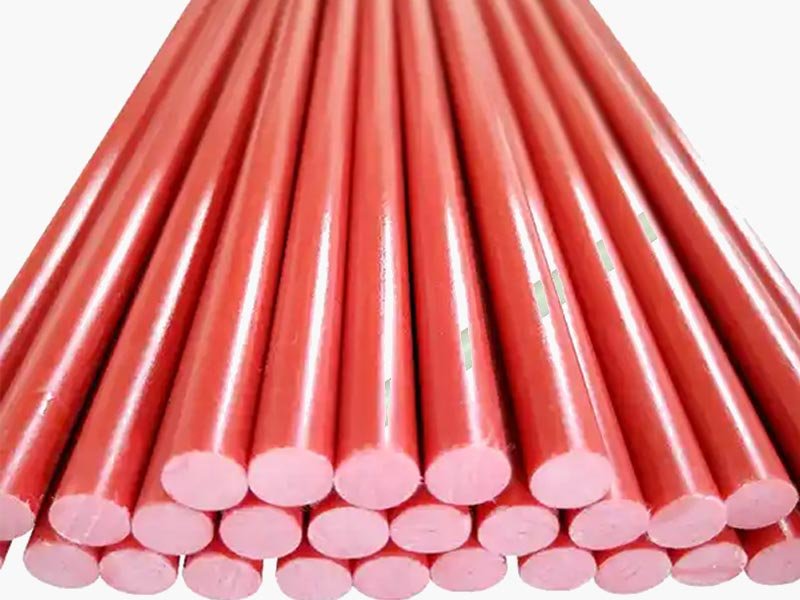
Fiberglass rods are composite rods manufactured by pultruding alkali-free glass fibers with resin. They offer a high strength-to-weight ratio, electrical insulation, corrosion resistance, and good toughness with excellent resistance to breakage. They are widely used in agricultural greenhouses, tent frames, electrical insulation supports, and other applications.| Diameter | 2–200 mm (0.08–8 in), custom lengths available |
| Common Stock Sizes | 2–50 mm (1/8–2 in); custom sizes available |
| Custom Lengths | Available upon request |
| Diameter Tolerance | ±0.20 mm for 2–100 mm; ±0.30 mm for 100–200 mm |
| Glass Fiber Content | 55–70% |
| Electrical Insulation | Non-conductive |
| Corrosion Resistance | Acid-, alkali-, rust-, and mold-resistant |
| Continuous Operating Temperature | -40°C to 120°C |
Product categories
Contact Our Team
Get professional support for pultrusion equipment, dies, and profilesProduct details
Key Performance Advantages of Fiberglass Rods
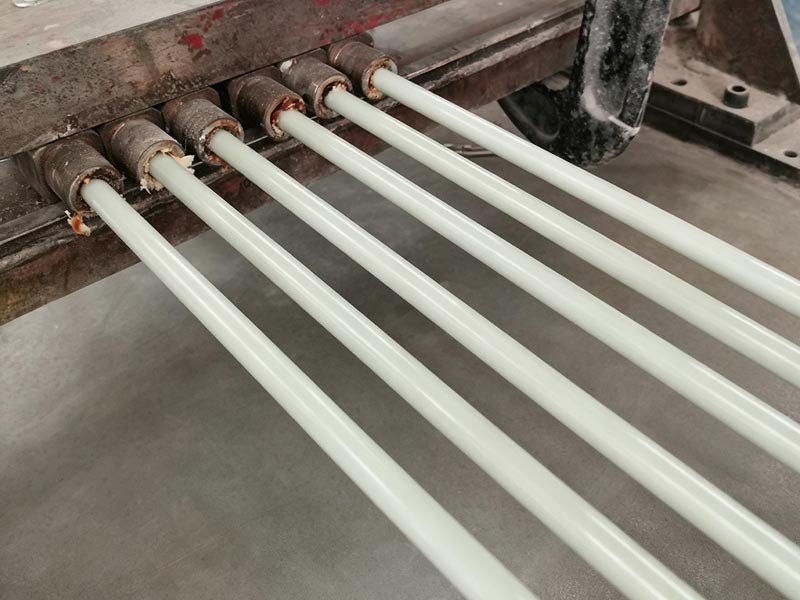
Fiberglass bar are manufactured by arranging continuous glass fibers along the length of the rod and forming them into an integral structure through the pultrusion process. This enables the rods to withstand axial tensile loads, bending loads, and repeated long-term use.01——
High Axial Strength
Continuous glass fibers are aligned along the entire length of the rod to maximize their reinforcing effect, providing consistently high strength under tensile and axial loading conditions.
02——
Bending Stability
The uniform fiber-reinforced structure provides stable bending resistance, making fiberglass rods suitable for support rods, reinforcement rods, frame members, and other structural components.
03——
Lightweight Design
Compared with steel rods, fiberglass rods are lighter, making handling and installation easier. They are suitable for structures requiring frequent assembly and disassembly.
04——
Continuous Fibers Throughout the Rod
During the pultrusion process, continuous glass fibers extend from one end of the rod to the other, providing more consistent mechanical performance along the length.
05——
Small Diameter with High Strength
By adjusting the fiber content, fiber alignment, and resin system, the mechanical properties can be tailored to different diameters, meeting the requirements of space-constrained applications.
06——
Customizable Dimensions
Diameter, length, color, and resin system can be customized according to application requirements, making the rods suitable for various support, insulation, and structural applications.
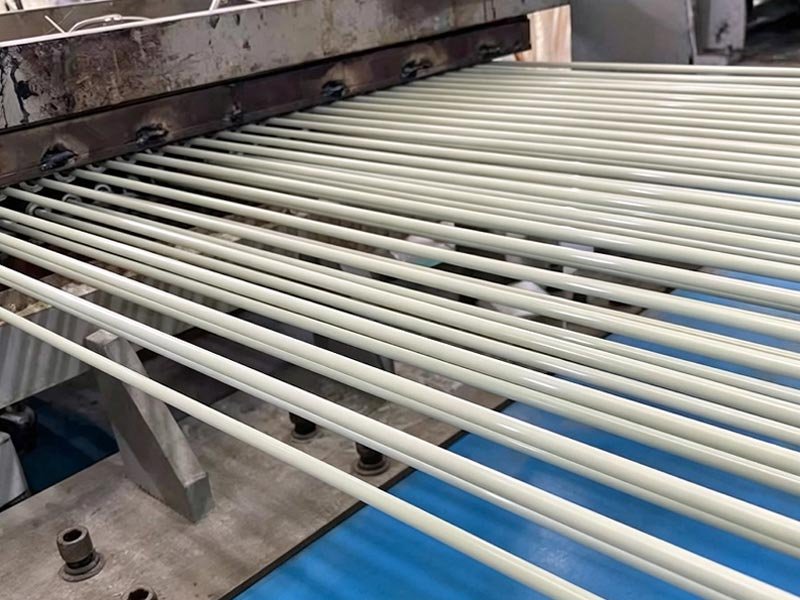
Fiberglass Rod Shapes and Types
Applications of Fiberglass round rod
|
Applications |
Typical Applications |
Key Performance Requirements |
|
Agricultural Facilities |
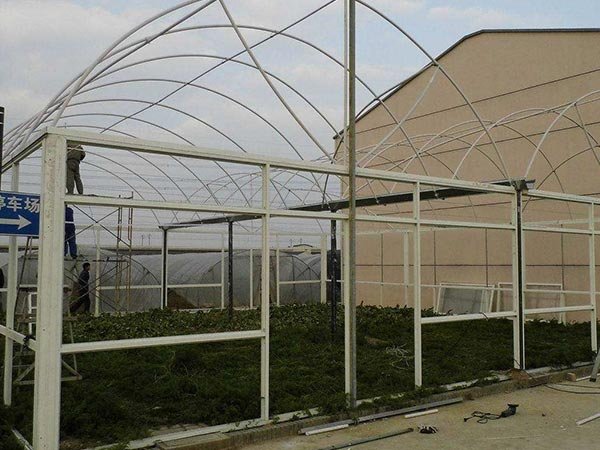
Greenhouse hoop supports, horticultural fence posts, and greenhouse support frames |
Weather resistance, moisture resistance, good elasticity, and moderate cost |
|
Power and Electrical |
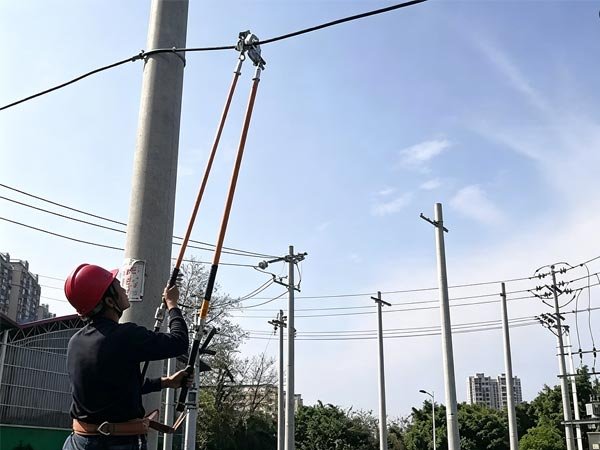
Insulating operating rods, transformer support bars, electrical spacer rods, and cable supports |
Electrical insulation, dielectric strength, and moisture resistance |
|
Outdoor Sports |
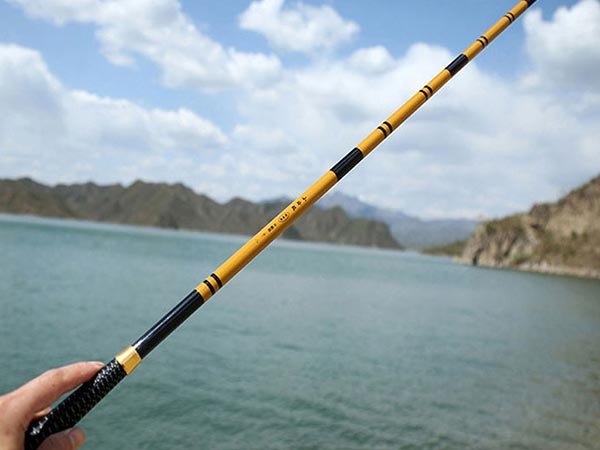
Tent poles, kite frames, umbrella ribs, flagpoles, arrow shafts, and fishing rod tips |
Good elasticity, high toughness, and lightweight design |
|
Bags and Stationery |
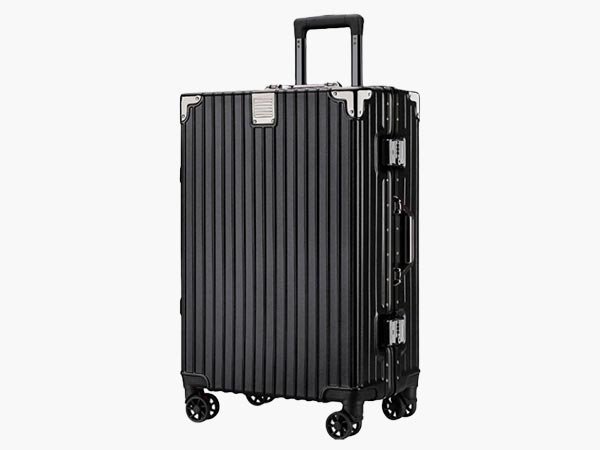
Luggage frames, X-banner display stand rods, and display equipment connecting rods |
Elastic memory and bending fatigue resistance |
|
Chemical and Corrosion Protection |
Support rods for chemical equipment, corrosion-resistant platform components, and grating supports |
Acid and alkali resistance, solvent resistance, and durability |
|
Construction and Engineering |
FRP anchor rods, reinforcement for slope stabilization, and tunnel support reinforcement |
High tensile strength, corrosion resistance, and shear resistance |
|
Transportation and Vehicles |
Interior support components for vehicle bodies and radome support rods |
Lightweight, electrical insulation, and vibration damping |
Fiberglass Bar Stock vs. Steel and Aluminum
Compared with steel and aluminum, fiberglass rods offer significant differences in weight, electrical insulation, corrosion resistance, and strength. Fiberglass Round Rods can be used as an alternative to traditional materials such as steel and aluminum. Each material has its own suitable applications, and material selection should be based on load requirements, operating environment, and installation method.
|
Comparison Criteria |
Fiberglass Rod |
Steel Rod |
Aluminum Rod |
|
Weight |
Lightweight, easy to handle and install |
Heavy, with a relatively high burden for on-site installation |
Lightweight |
|
Axial Strength |
High, with continuous fibers primarily carrying loads along the length |
High, with stable overall load-bearing performance |
Moderate strength |
|
Corrosion Resistance |
Excellent corrosion resistance, rust-free |
Susceptible to moisture and salt spray; requires corrosion protection |
Good corrosion resistance, but may corrode under certain conditions |
|
Electrical Insulation |
Excellent electrical insulation, non-conductive |
Electrically conductive |
Electrically conductive |
|
Magnetic Properties |
Non-magnetic |
Typically magnetic |
Non-magnetic |
|
Maintenance Requirements |
Low maintenance, generally requiring no anti-rust treatment |
Higher maintenance requirements, requiring regular rust prevention |
Low maintenance requirements |
|
Outdoor Performance |
Suitable for outdoor applications with appropriate resin systems and surface treatments |
Requires consideration of corrosion during long-term outdoor use |
Suitable for some outdoor environments |
|
Machining and Installation |
Can be cut and drilled; custom sizes available |
Relatively complex, typically requiring specialized equipment |
Easy to machine |
|
Customization Options |
Customizable diameter, length, color, resin system, and other specifications |
Relatively standardized specifications |
Wide range of standard specifications |
How to Choose the Right Fiberglass Rod?
There is no single fiberglass rod specification suitable for all operating conditions. When selecting a fiberglass rod, first determine how the rod will be loaded, then select the appropriate diameter, resin system, and connection method based on its length, structure, and operating environment.
Determine the Load the Rod Will Carry
When the rod primarily carries axial tensile loads, focus on its longitudinal tensile strength. If the fiberglass rod is used for support, lateral loading, or frame structures, bending strength and deflection should also be considered.
Select the Specification Based on Length
For long rods used as structural support members, stiffness and deflection are often more important than tensile strength alone. If necessary, increase the rod diameter or select a suitable cross-sectional design for improved rigidity.
Select Based on the Intended Application
Solid rods are suitable for applications requiring higher load-bearing capacity and axial strength. Hollow rods offer lower weight while allowing the internal space to be used for cable routing or installing other components.
Select the Resin System Based on the Operating Environment
Unsaturated polyester resin is used in general environments. For chemical exposure, vinyl ester is recommended. For higher performance, heat resistance, or insulation, select epoxy or polyurethane.
Verify Electrical Properties When Insulation Is Required
For applications such as power equipment and insulating supports, diameter and length alone are not sufficient. Volume resistivity, dielectric strength, and actual operating voltage should also be verified.
Consider Weather Resistance for Outdoor Applications
If fiberglass rods are exposed to sunlight, rain, or salt spray for extended periods, a resin system suitable for outdoor use should be selected. UV-resistant additives or surface protection can also be applied as required.
Customized Solid Fiberglass Rods for Different Applications
Fiberglass rod specifications are not fixed. Different applications have different requirements for diameter, length, strength, stiffness, and electrical insulation. We can adjust the rod dimensions, fiber content, and resin system based on the customer’s operating conditions, installation method, and product drawings.
Support and Reinforcement Structures
The rod diameter and cross-sectional dimensions are determined based on load requirements, length, and installation method to achieve the required axial strength and bending resistance.
Power and Electrical Insulation Applications
The appropriate resin system is selected based on operating voltage, insulation requirements, and operating environment. Rod dimensions and electrical properties can also be controlled for applications such as insulating support rods.
Agricultural and Greenhouse Structures
Greenhouse supports, plant climbing rods, and similar applications typically prioritize weight, length, and ease of on-site installation. Diameter, length, and color can be customized according to specific requirements for efficient large-scale installation.
Outdoor and Corrosive Environments
For long-term use in environments exposed to rainwater, salt spray, or chemical media, an appropriate resin system can be selected, with weather-resistant or surface protection treatments added according to actual operating conditions.
Mechanical and Equipment Components
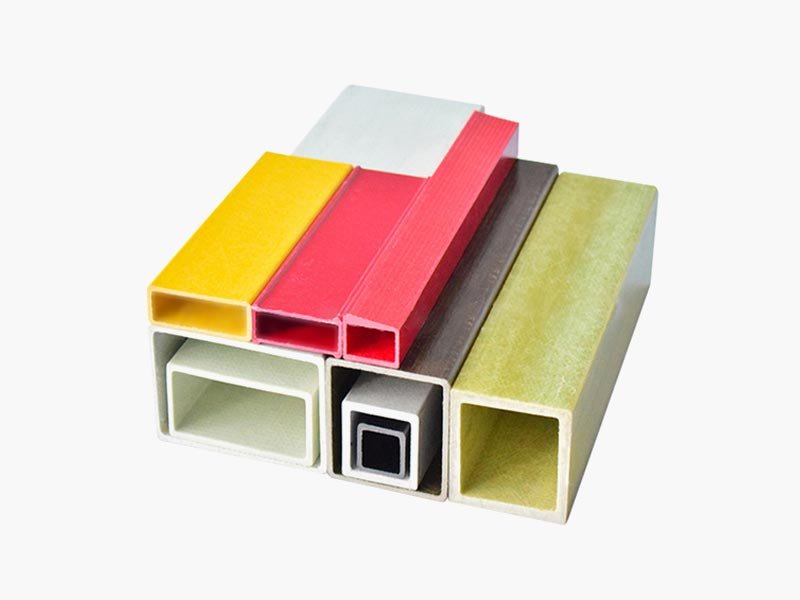
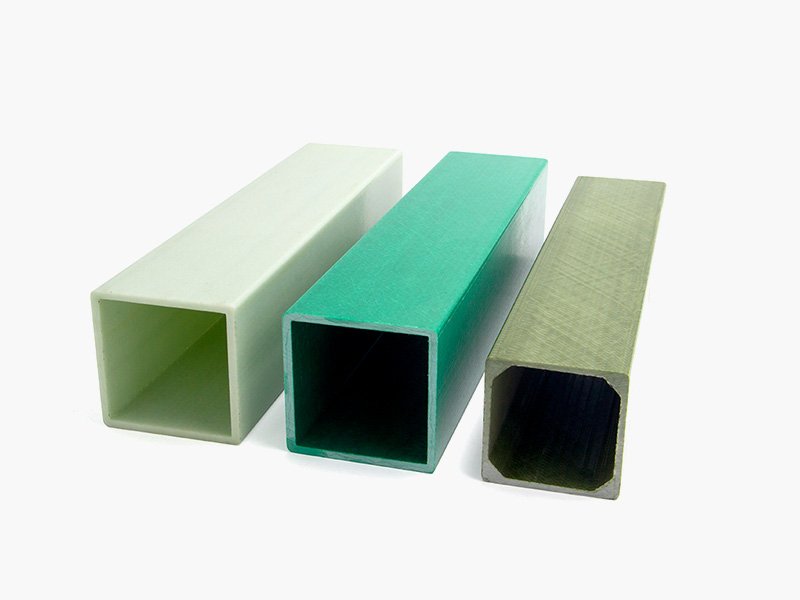
Round, square, rectangular, and other cross-sectional shapes can be provided according to installation space and connection methods. Secondary machining such as cutting, drilling, and threading is also supported.
Special-Size Fiberglass Rods
When standard specifications do not meet project requirements, the diameter, length, cross-sectional shape, color, resin system, and surface treatment can be customized according to drawings. This is suitable for non-standard structural components and OEM production in volume.
Note: Customization according to drawings is supported. Customers can provide dimensions, operating environment, load requirements, or existing drawings. We will determine the appropriate rod structure and material configuration based on the actual operating conditions.