


10T & 30T Single-Station Hydraulic Pultrusion Production Equipment
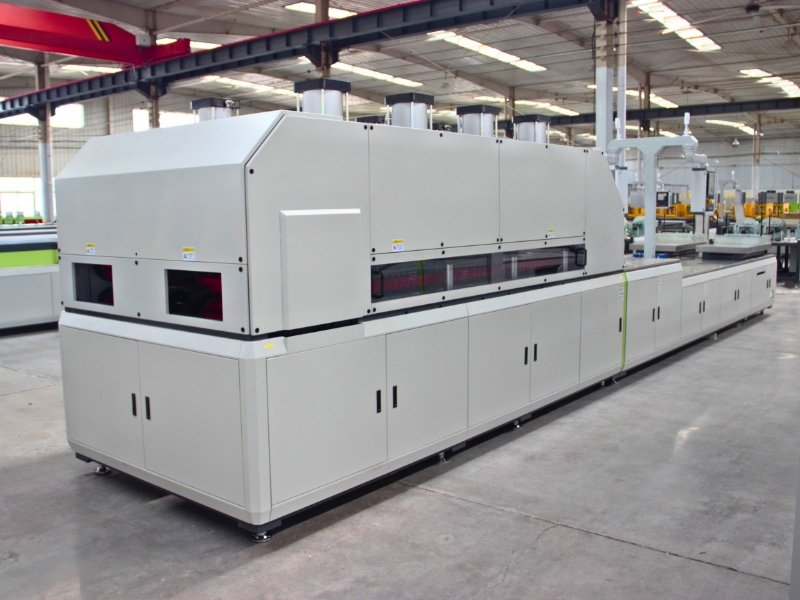
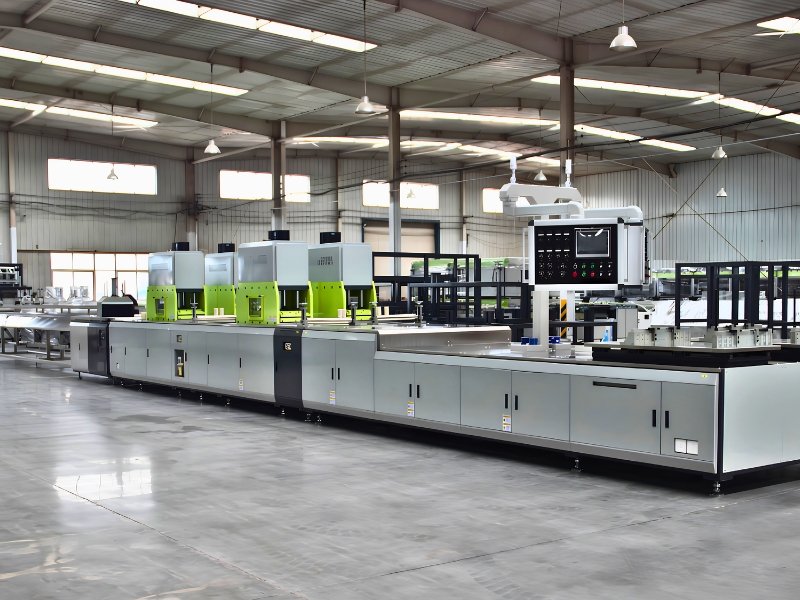
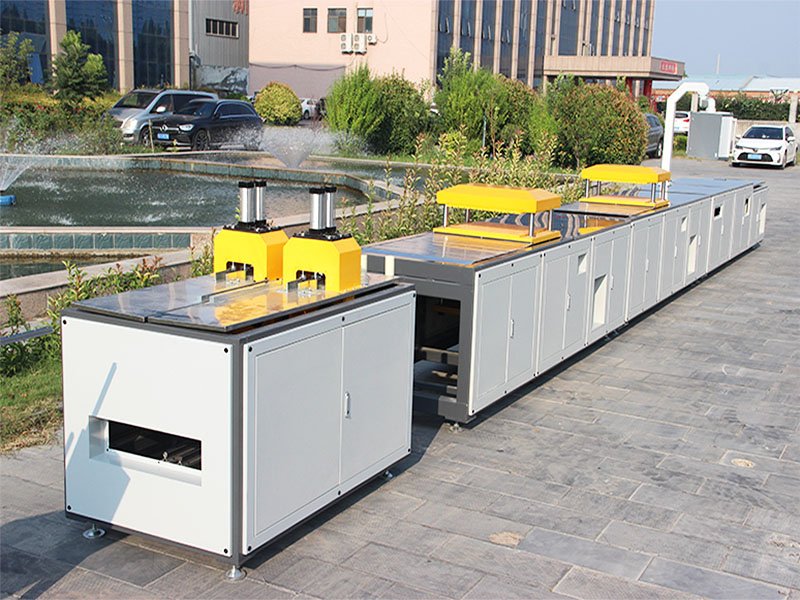
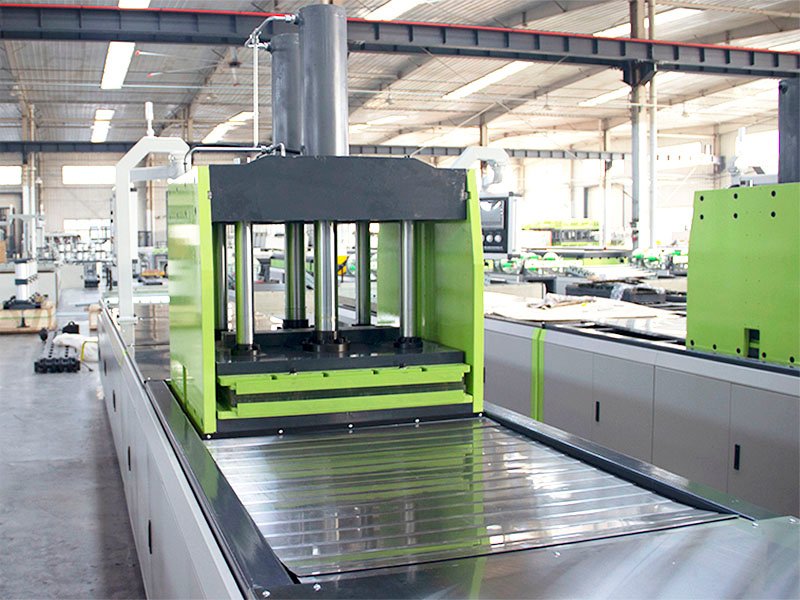
High-performance FRP/GRP single-station hydraulic pultrusion machine from factory Tolike. Features 300KN pulling force, 0–1 m/min pulling speed, 480KN clamping force, and 900mm clamping length. Ideal for producing FRP angles, channels, tubes, rods, and structural profiles.| Parameter | Specification |
| Machine Type | Machine Type |
| Drive System | Drive System |
| Pulling Force | Pulling Force |
| Pulling Speed | Pulling Speed |
| Heating System | Heating System |
| Applicable Products | Applicable Products |
| Control System | Control System |
Contact Our Team
Get professional support for pultrusion equipment, dies, and profilesProduct Overview of FRP Profiles Pultrusion Machines
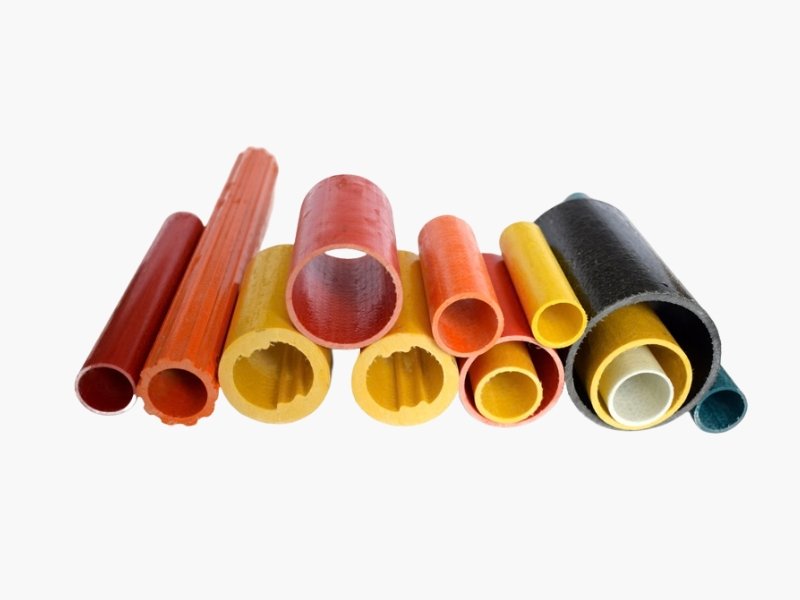
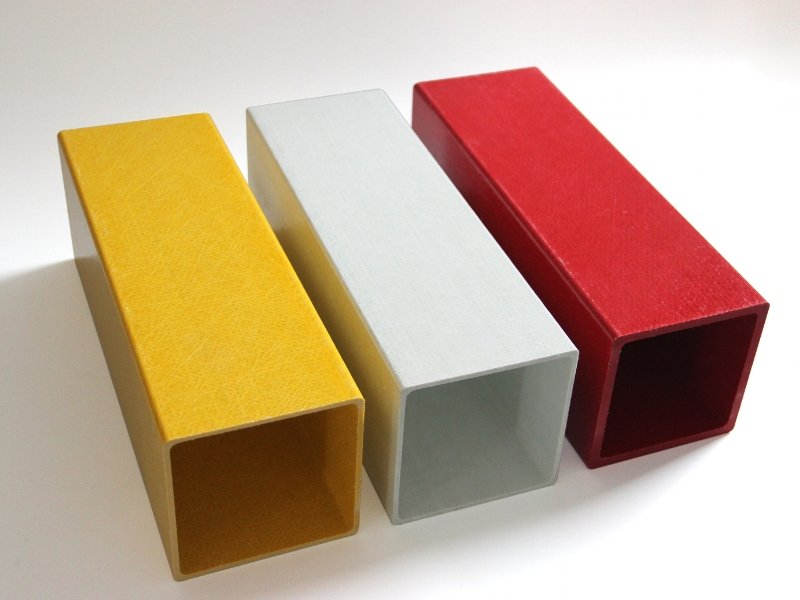
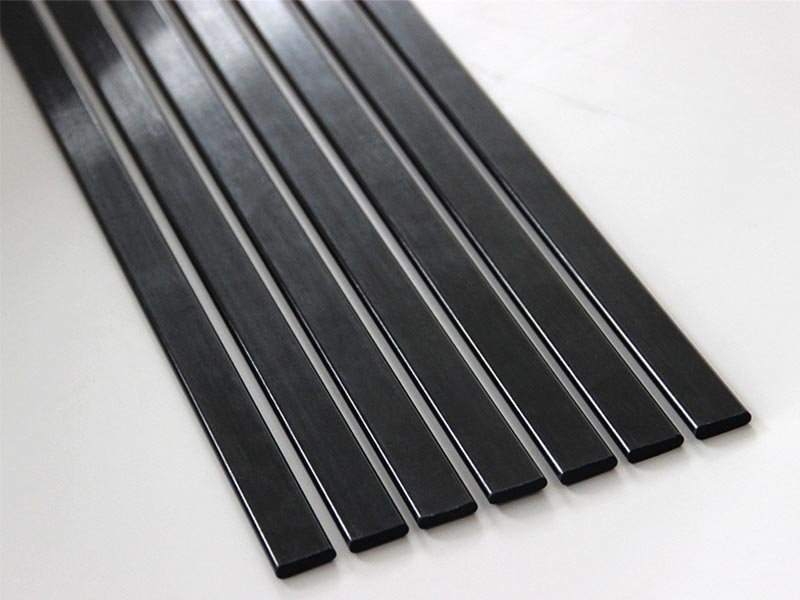
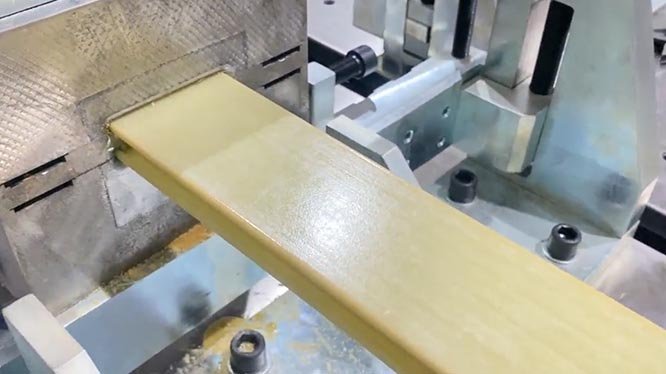
Designed to produce consistent FRP profiles, a single-station hydraulic pultrusion system draws continuous fibers through resin and a heated die. The hydraulic drive system provides smooth, uninterrupted pulling force, ensuring uniform profile geometry and minimizing production fluctuations.This type of pultrusion equipment is typically used for small to medium production volumes, or for factories that need flexibility across different profile sizes. It can run standard profiles such as FRP angles, channels, tubes, and rods — and can also be adapted for custom cross-sections.
Also known as a hydraulic pultrusion line, FRP pultrusion machine, or fiberglass pultrusion equipment, this system is a practical choice for factories starting FRP production or expanding an existing line.
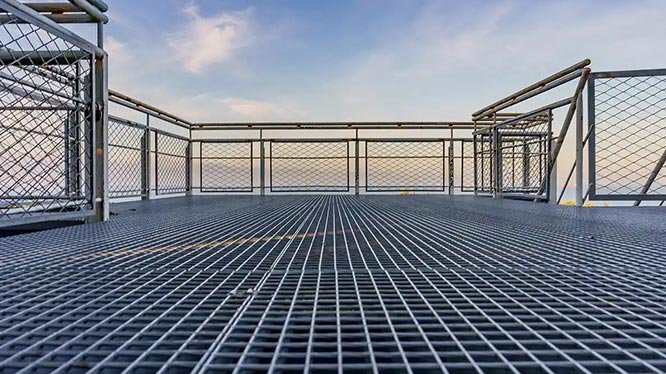
With powerful hydraulic traction, adjustable running parameters and flexible customization capability, this fiberglass pultrusion line ensures stable production of corrosion-resistant GRP profiles for marine, construction and infrastructure sectors.

Key Specifications of 30T Single-Station Pultrusion Equipment
| Part Name | Parameter | Specification |
| Main Technical Parameters | Mold Table Clamping Range | Length: 600–1200 mm, Width: 900 mm |
| Adjustment Platform | Overall height adjustable, outlet height slightly adjustable | |
| Mold Support | Manual or automatic adjustment | |
| Mold Heating Type | Heating plate | |
| Heating Power | 4 kW × 8 | |
| Pulling Force | 300 kN | |
| Clamping Force | 480 kN | |
| Clamping Space | Width 900 mm × Height 400 mm | |
| Clamping Length | 900 mm | |
| Pulling Speed | 0–1 m/min | |
| Pulling Stroke | 1000 mm | |
| Control System | PLC + touch screen | |
| Equipment Top Surface Finish | Stainless steel, brushed finish | |
| Equipment Side Panel Finish | Flat-opening door, carbon steel with plastic coating | |
| Lubrication System | Automatic progressive lubricator DR2262-150 × (1.5 L dual-line, with pressure relief valve) | |
| Main Frame | 120 × 80 × 5 rectangular tube welded structure | |
| Equipment Dimensions | Length 11000 mm × Width 1340 mm × Height 2200 mm |
Note: Specifications are customized based on profile size, production capacity, and resin system. Send us your requirements for an exact configuration.
How to Select the Right Hydraulic Pultrusion Machine
Choosing suitable FRP pultrusion equipment requires more than comparing the machine price. Buyers should evaluate the relationship between the intended product, pulling requirements, production target, mold design, and overall production-line configuration.
Define the Target Profile
Start with the product cross-section, overall dimensions, wall thickness, length, and material requirements. A solid fiberglass rod and a large hollow structural profile may require different pulling forces, tooling arrangements, and production parameters.
Evaluate Pulling Force and Stroke
The hydraulic pulling system must provide sufficient force to operate under the intended process conditions. Stroke length and cycle frequency also affect how the machine advances the profile.Ask the supplier to assess these parameters against your specific profile and target production speed.
Confirm Mold and Heating Compatibility
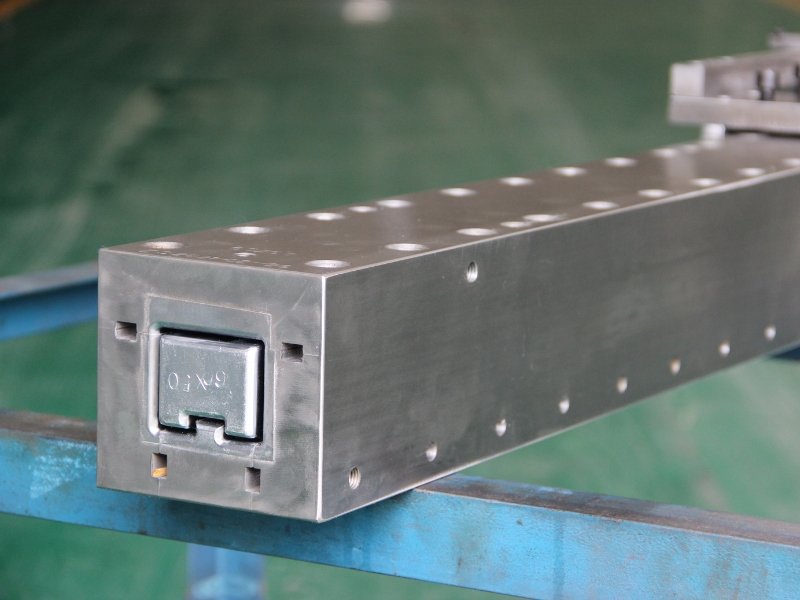
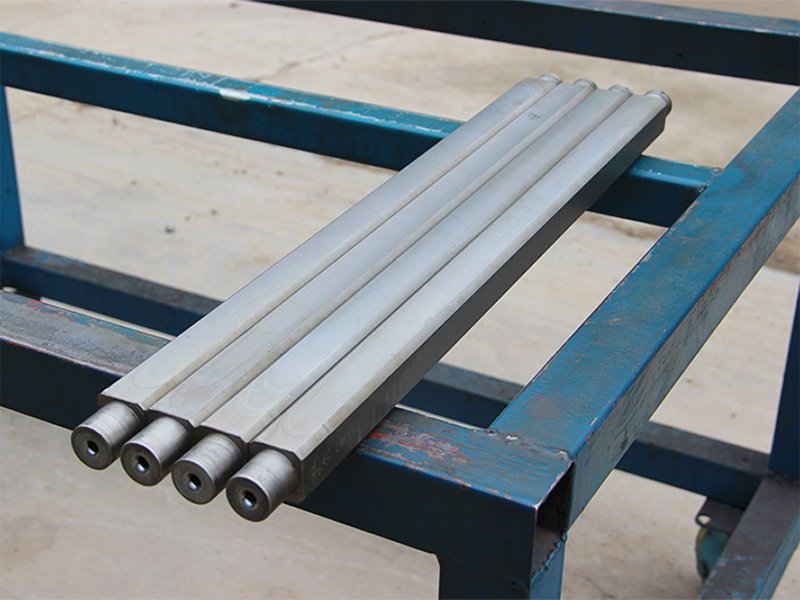
The die and heating system are critical to stable pultrusion. Confirm die mounting dimensions, heating requirements, temperature control, and the compatibility of the tooling with the selected resin and reinforcement.
Estimate Production Capacity
Production capacity depends on the profile geometry, curing behavior, pulling cycle, cutting time, and operating schedule. A quoted machine speed alone does not establish the actual output of a complete production line.Provide your target output and product specifications so the equipment configuration can be evaluated more accurately.
Consider the Complete Production Line
The hydraulic pulling unit is only one part of a pultrusion production system. Material handling, resin impregnation, heated tooling, cutting, inspection, and operator access all influence production performance.Evaluating the complete process helps reduce the risk of selecting equipment that does not meet the needs of the intended application.
Where Single-Station Hydraulic Pultrusion Machines Are Used
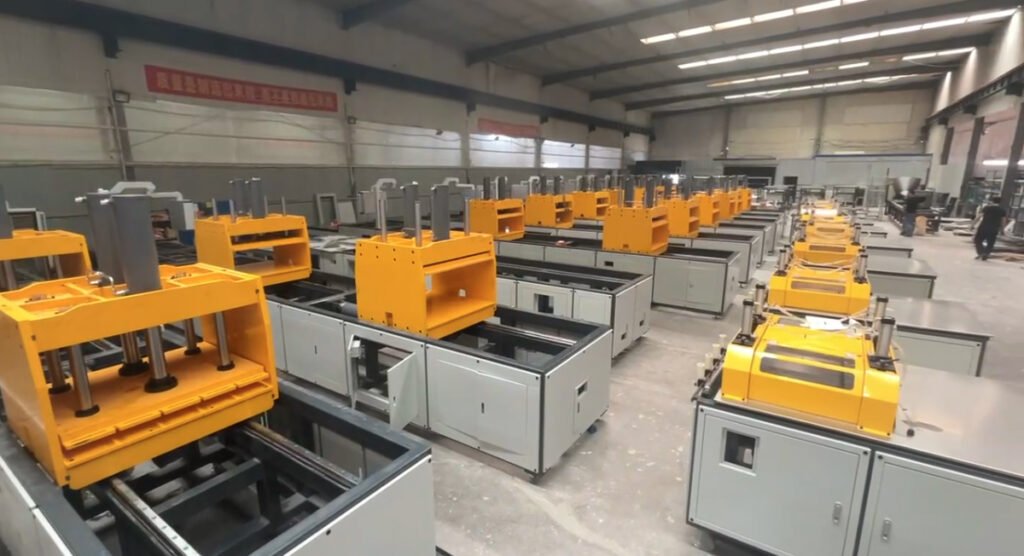
If your project involves FRP profile production, a hydraulic pultrusion machine is a practical long-term investment.
Full Technical Support Throughout Your Pultrusion Project
Buying a pultrusion machine is only the first step. Getting it running smoothly — with the right resin system, die setup, and production parameters — is where most factories struggle.
That’s where we come in. Our team supports you through the entire process:
Whether you’re starting a new FRP production line or adding capacity to an existing one, we stay involved until your profiles come out consistently.