

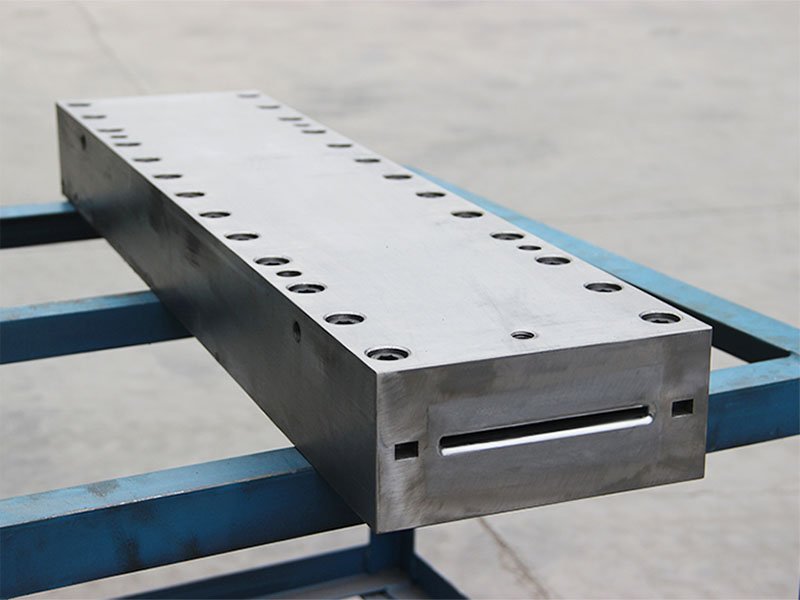
FRP Flat Strip or Board Pultrusion Mold: Precision Dies for High-Strength Fiberglass Profiles
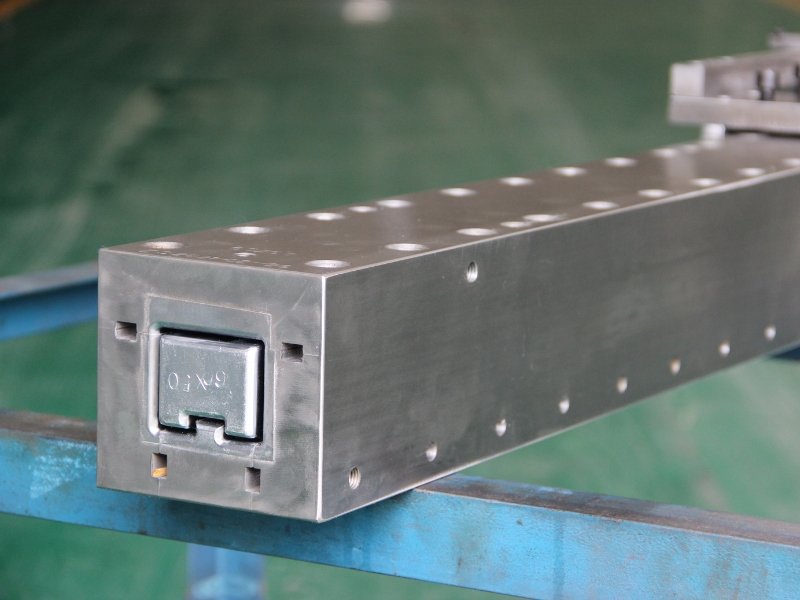
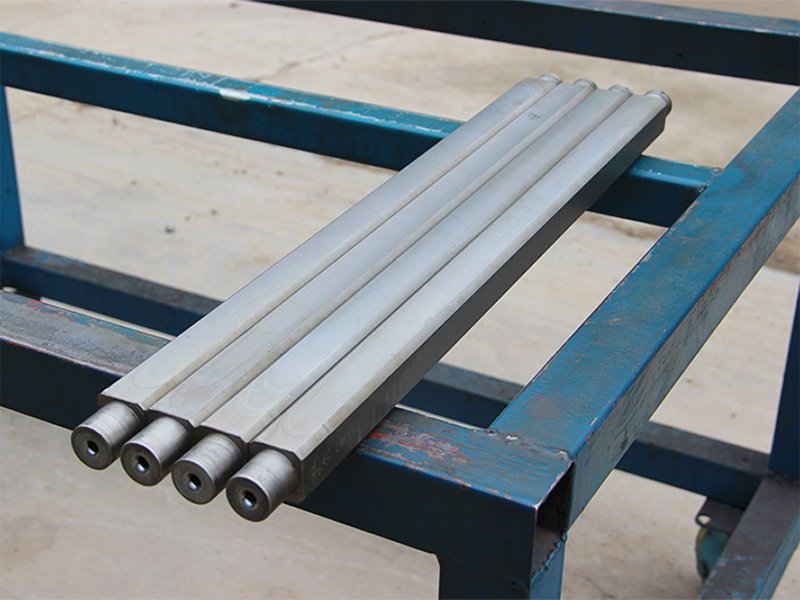
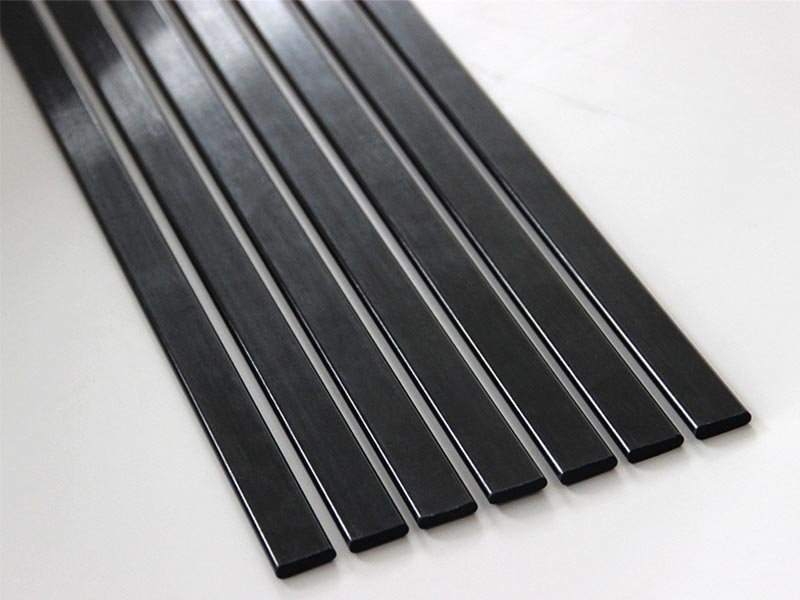
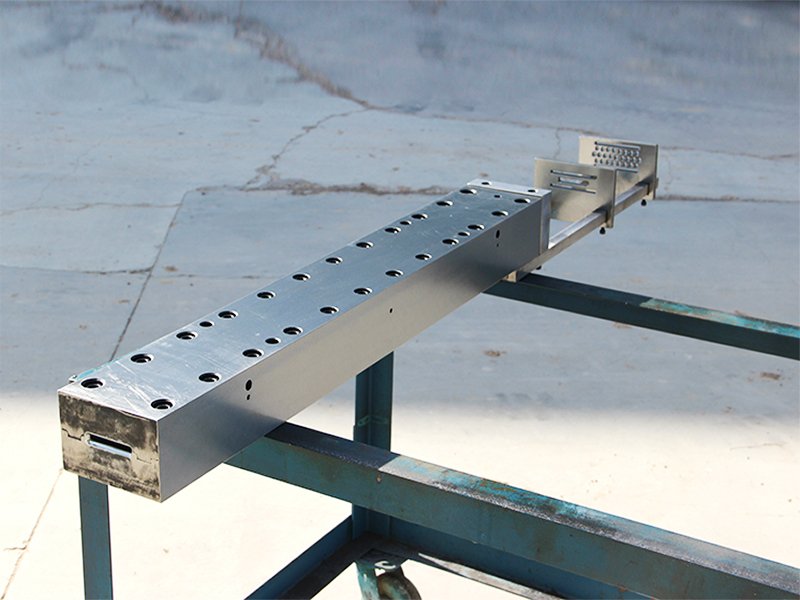
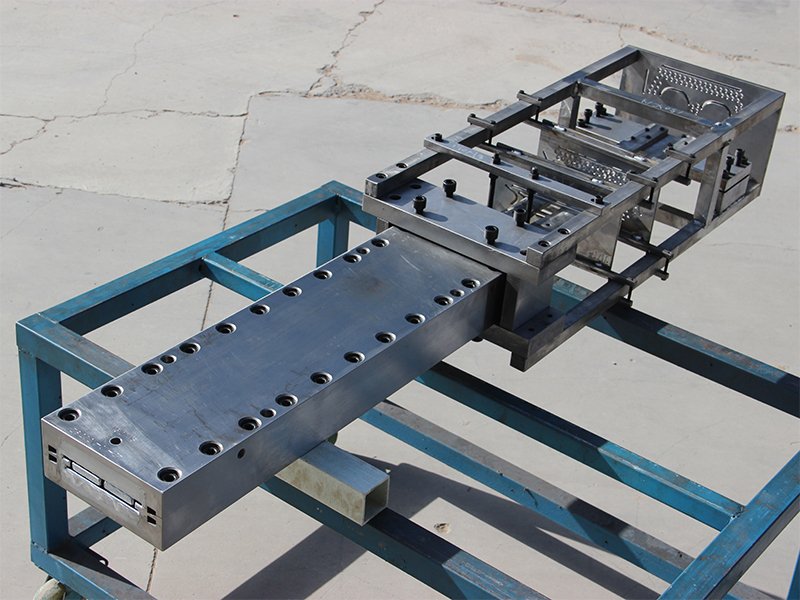
Tolike is a professional FRP Flat Strip or Board Mold manufacturer and supplier. Our pultrusion dies are built with P20H steel and high-precision machining for flat strips and flat boards. They solve the problem of unstable dimensions and rough surfaces in flat profile production.| Material | FRP |
| Shape | Flat Bar |
| Sizes | Various |
| Customization | Available |
| Price | Competitive |
| Application | Molding |
| Durability | High |
| Features | Various sizes, Customizable shapes, Competitive prices, High grade |
Contact Our Team
Get professional support for pultrusion equipment, dies, and profilesFRP Flat Strip or Board Mold for Custom Fiberglass Pultrusion
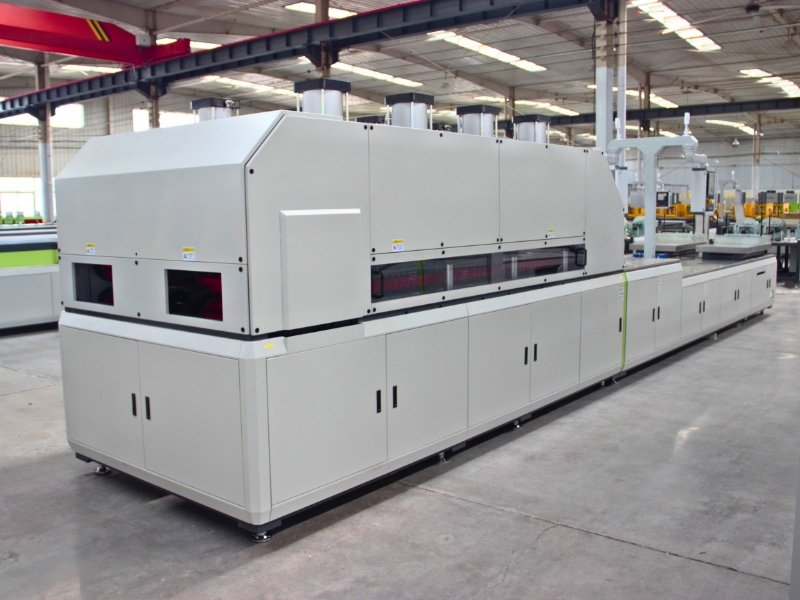
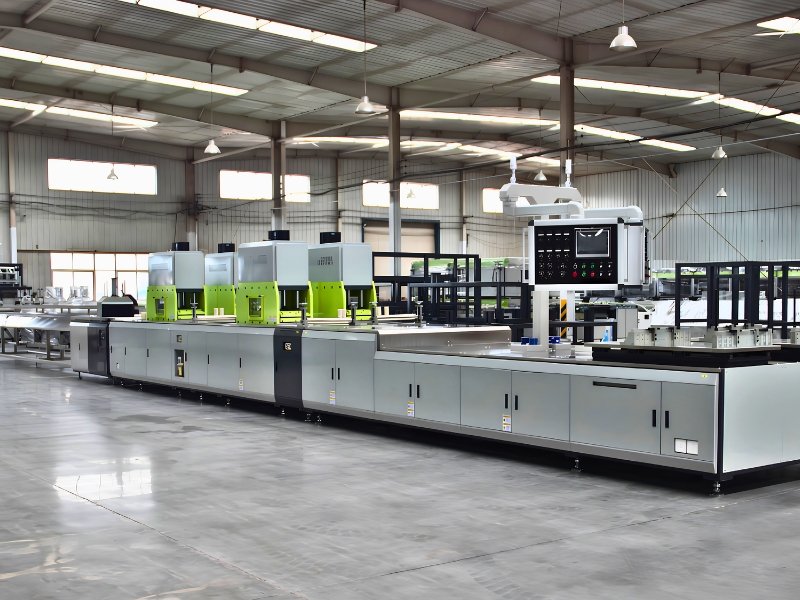
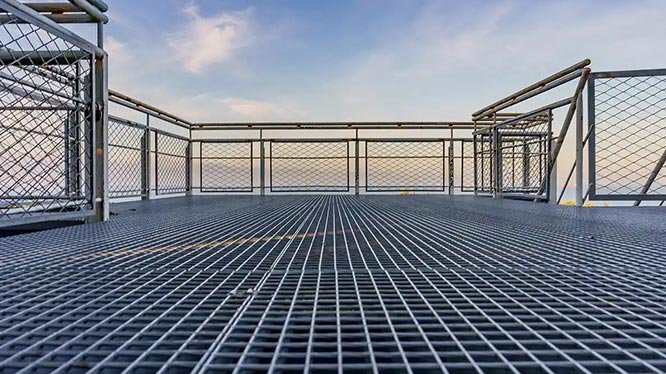
Our pultrusion dies are designed for producing flat bars, strips, rectangular profiles, and customized FRP boards with consistent cross-sectional dimensions. We consider profile drawings, resin systems, reinforcement structures, heating requirements, and production equipment compatibility during mold development. Suitable for various industrial composite applications, our custom fiberglass flat profile molds help customers meet specific product requirements. As an FRP pultrusion mold supplier, TOLIKE also provides technical guidance on mold matching, installation, commissioning, and production process optimization.If you’re producing flat FRP strips or boards and need a mold that fits your line and holds tight tolerances, send us your drawing. We’ll review it and come back with a quote.
| Mold name | FRP Flat Strip Pultrusion Mold |
| Specification | 1505mm (Customizable) |
| Material | P20H Steel, base hardness HRC 34–38 |
| Cavity Surface Treatment | Quenching & tempering, hard chrome plating, nitriding |
| Cavity Hardness (Laser Quenched) | HRC 55+ |
| Cavity Hardness (Chrome Plated) | HRC 58–62 |
| Applicable Resin | Unsaturated polyester, vinyl ester, epoxy, phenolic, polyurethane |
| Straightness | 0.02 mm |
| Surface Roughness | Ra 0.025–0.05 μm |
| Hardened Layer Depth | 0.5–0.8 mm (laser quenching) |
Custom FRP Flat Bar and Fiberglass Board Pultrusion Die
An FRP flat strip mold is not simply a cavity with a rectangular shape. Its design must account for the material flow, fiber arrangement, curing behavior, dimensional tolerances, and operating conditions required by the finished profile.
For flat-section products, even small variations in thickness, width, or surface finish can affect downstream assembly and application performance. Proper tooling design helps establish the required cross-sectional geometry and supports repeatable production when the raw materials and process parameters are controlled consistently.
TOLIKE develops customized pultrusion tooling according to the specific profile requirements provided by the customer.
The design process may consider:
Profile dimensions
Required width, thickness, length, and cross-sectional tolerances.
Material system
Resin type, reinforcement materials, and relevant curing characteristics.
Fiber arrangement
The reinforcement structure needed to meet the intended mechanical requirements.
Mold heating
A suitable heating arrangement based on the die design and curing process.
Surface requirements
The required finish and dimensional consistency of the final FRP strip or board.
Production conditions
Target speed, machine configuration, and operating requirements.
By evaluating these factors together, the mold can be designed for the intended application rather than relying on a generic flat-profile configuration.

How FRP Flat Strip or Board Mould Works
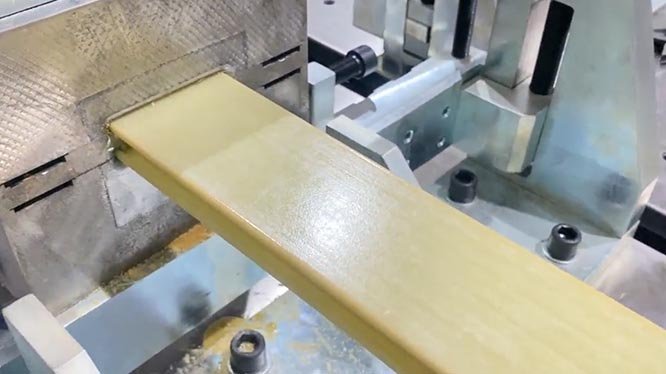
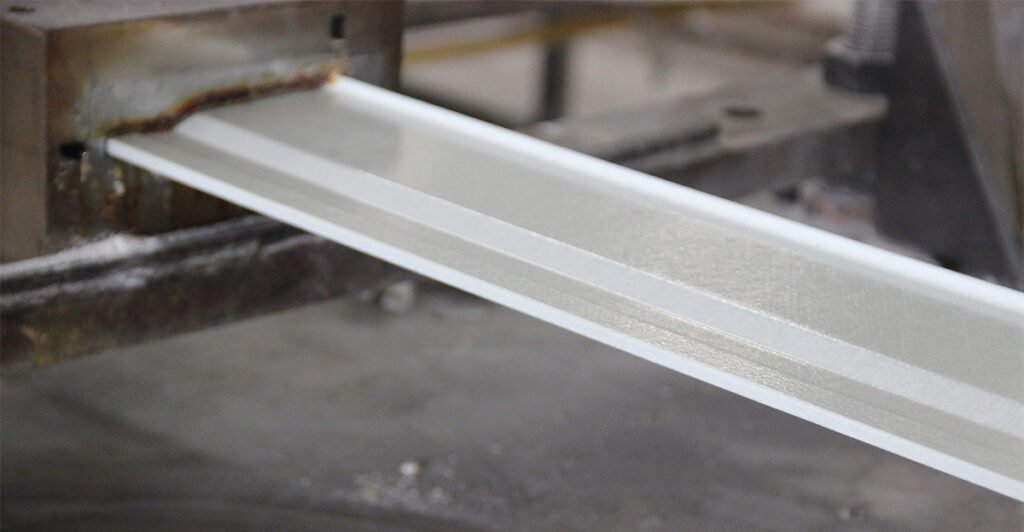
An FRP flat strip or board mold is a pultrusion die used to produce flat fiberglass profiles with a consistent cross-section.
The process works like this: