Custom High-Strength FRP Rebar Mesh Manufacturer

Custom High-Strength FRP Rebar Mesh Manufacturer
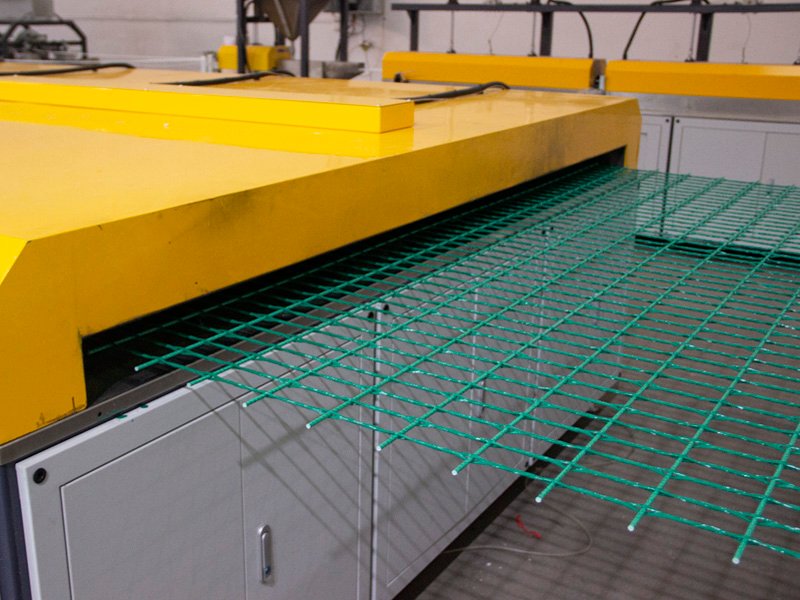
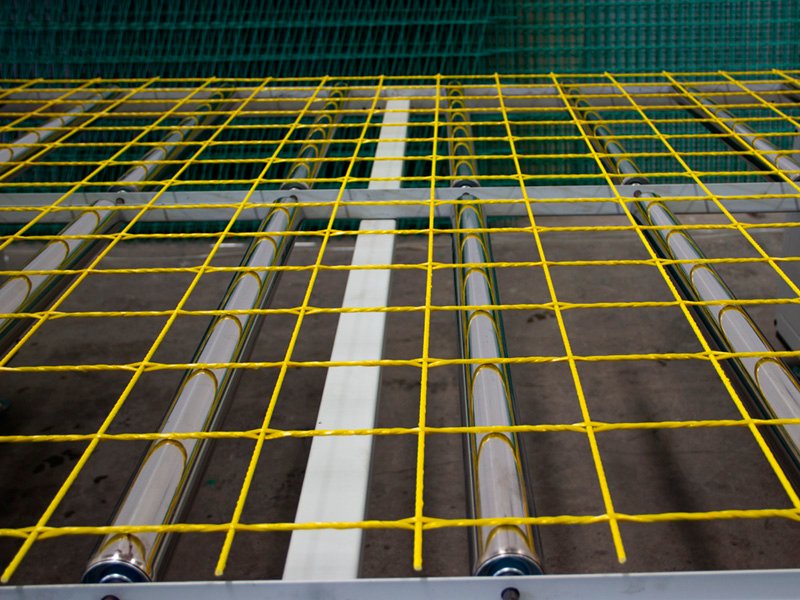
TOLIKE manufactures custom FRP rebar mesh from high-strength fiberglass. It is lightweight, rust-proof, and designed for harsh concrete environments, with fully customizable grid sizes.
| Feature | FRP Rebar Mesh | Standard Carbon Steel |
| Corrosion Resistance | Immune to chlorides/alkalies | Prone to Rust & Spalling |
| Tensile Strength | 2x Higher than Steel | Industry Standard |
| Density (Weight) | 1/4 weight of Steel | Heavy (Logistics intensive) |
| Electrical Conductivity | Non-conductive (Insulator) | Highly Conductive |
Contact Our Team
Get professional support for pultrusion equipment, dies, and profilesProduct Overview of GFRP Rebar Mesh
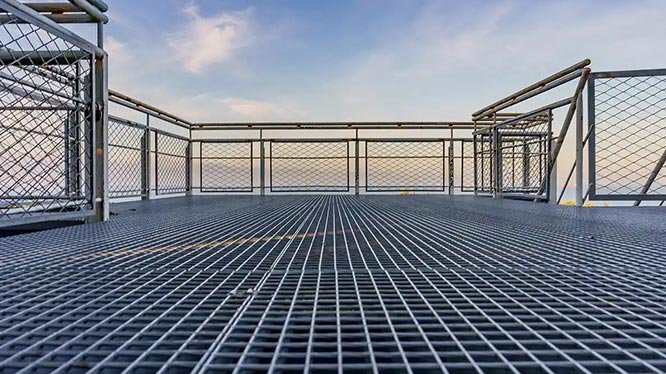
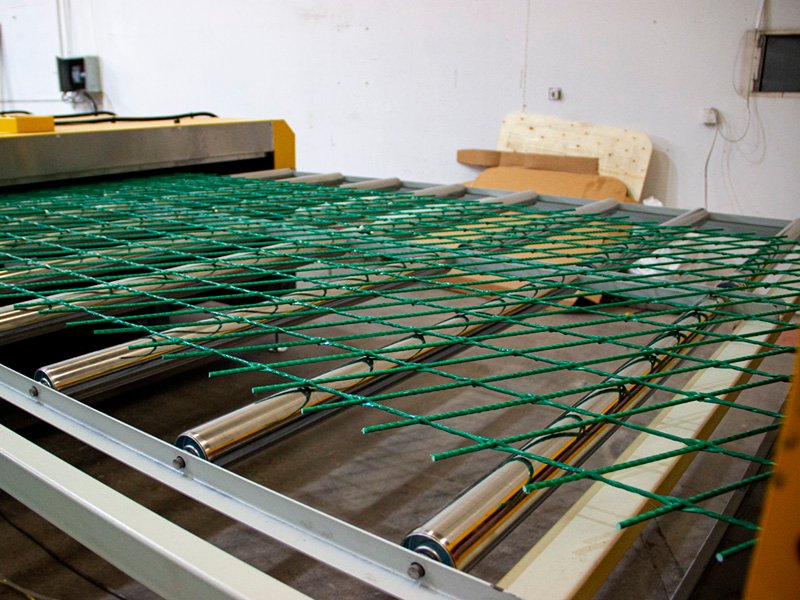
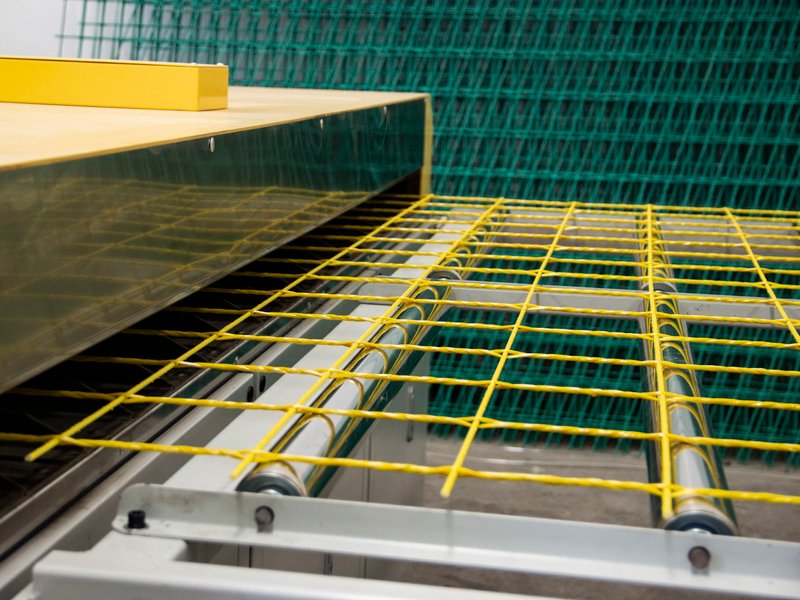
FRP rebar mesh, manufactured by TOLIKE, is a grid-like reinforcement system composed of fiber-reinforced polymer (FRP) bars arranged in two directions and joined at their intersections. Also known as glass fiber-reinforced polymer (GFRP) mesh, it serves as an alternative to traditional steel reinforcement in various concrete applications. Its exceptional corrosion resistance effectively addresses issues related to the rusting and deterioration of steel reinforcement in structures exposed to water, de-icing salts, or harsh environmental conditions. The product’s lightweight nature simplifies handling and installation on construction sites.TOLIKE is dedicated to supporting B2B buyers, contractors, precast concrete manufacturers, and construction material distributors by providing customized GFRP reinforcement solutions tailored for infrastructure and industrial projects.

Advantages of Fiberglass Rebar Mesh
- Corrosion Resistance: Fiberglass reinforcement does not rust like conventional steel rebar, making it suitable for concrete exposed to moisture, chlorides, and certain corrosive environments.
- Lightweight Construction: GFRP rebar mesh is easier to handle, transport, and position than conventional steel reinforcement of comparable structural function.
- Non-Magnetic Properties: Fiberglass rebar is non-magnetic and electrically non-conductive, making it suitable for selected applications with electromagnetic or electrical requirements.
- High Strength-to-Weight Ratio: FRP reinforcement combines low weight with high tensile strength, subject to the specified bar grade and design requirements.
- Custom Mesh Configurations: Bar diameter, grid spacing, panel dimensions, and mesh layouts can be specified according to project drawings and engineering requirements.
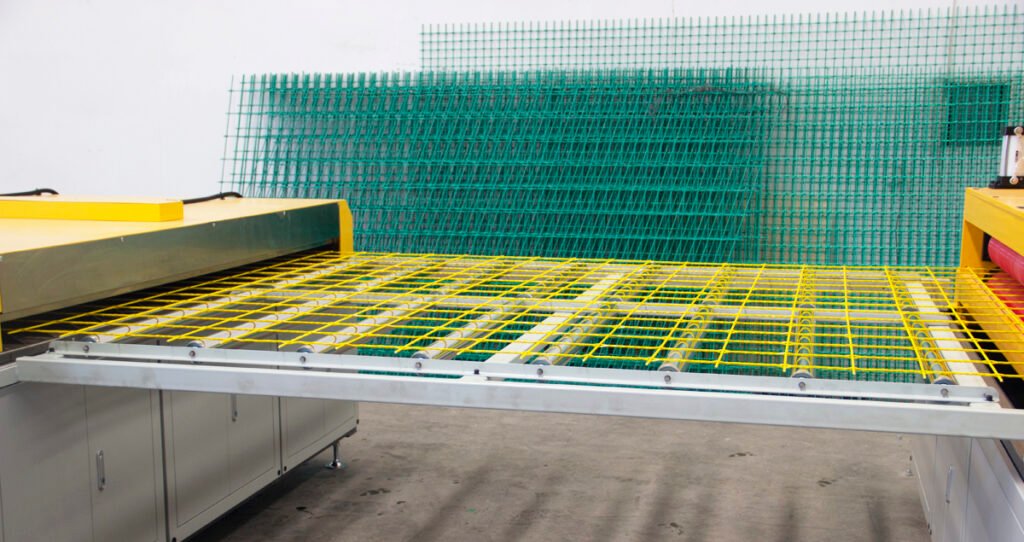
Comparison of parameters between FRP rebar mesh and Steel Rebar Mesh
| Feature / Property | GFRP Rebar Mesh | Steel Rebar Mesh |
| Weight | Lightweight (≈ 1/4 of steel) | Heavy, difficult to transport |
| Corrosion Resistance | Excellent – does not rust | Poor – prone to rust in humid/salty areas |
| Tensile Strength | High (by weight, stronger than steel) | High but heavy |
| Thermal / Electrical Conductivity | Non-conductive, non-magnetic | Conductive, magnetic interference |
| Installation | Easy to handle and cut on-site | Requires heavy tools and labor |
| Service Life | 2–3 times longer than steel reinforcement | Shorter due to corrosion |
| Maintenance Cost | Low, minimal repairs required | High – frequent repair/replacement |
| Applications | Bridges, tunnels, highways, marine, industrial, residential | General construction but limited lifespan |
Applications of Fiberglass Rebar Mesh
FRP rebar mesh is used in projects where steel wire mesh would rust, corrode, or fail over time. Here are the most common applications:
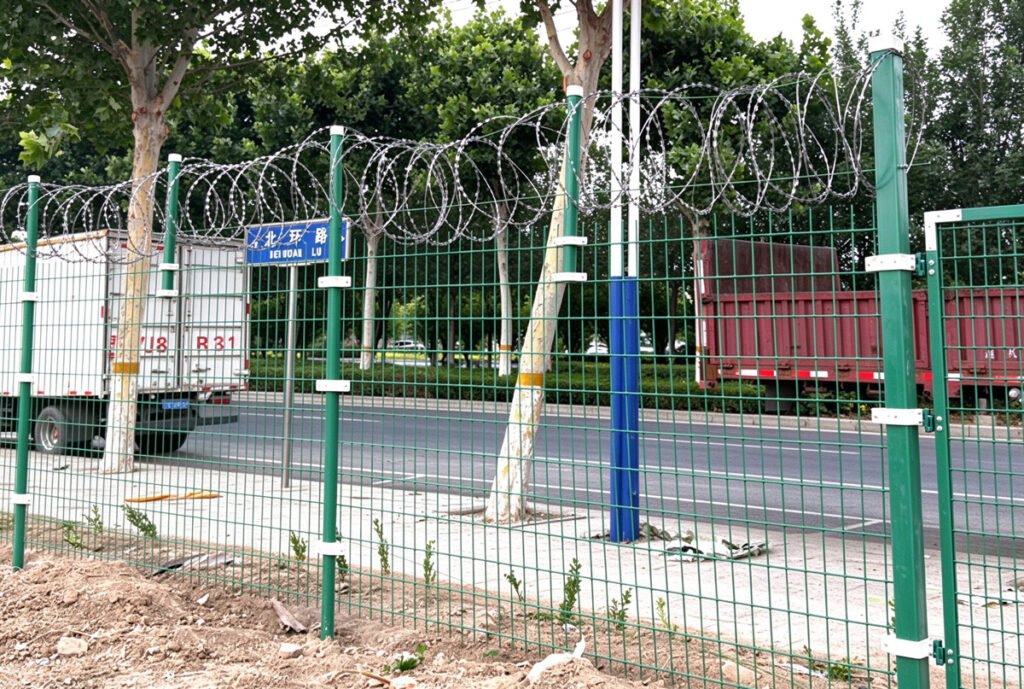
If your project involves moisture, salt, or chemicals, composite rebar mesh offers a corrosion-resistant alternative to steel.