Double Station Crawler Pultrusion Machine for FRP & GRP Profiles
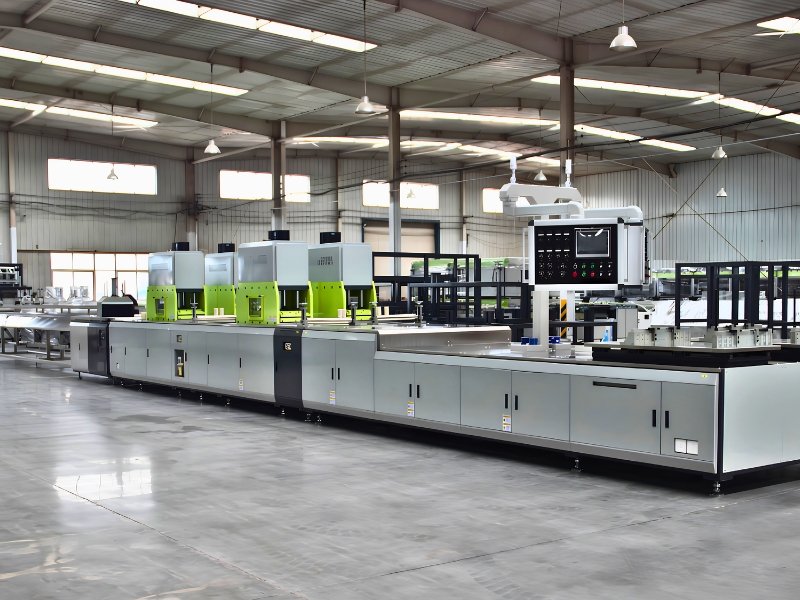
Double Station Crawler Pultrusion Machine with two independent stations delivers high-output FRP/GRP fiberglass profile production, PLC control and 5T–50T pulling force. Factory-direct supplier, turnkey lines.| Parameter | Specification |
| Station Configuration | Double station — 2 independent lines with separate speed & temperature control |
| Pulling Force | 5T–50T, stepless adjustable (customizable) |
| Pulling Speed | 0.1–1.5 m/min, stepless, servo-synchronized crawler traction |
| Heating & Mould | 6-zone independent control, 0–250°C, ±3°C; mould length 600–1200 mm |
| Control System | PLC + touch screen, automatic pulling, cutting & stacking |
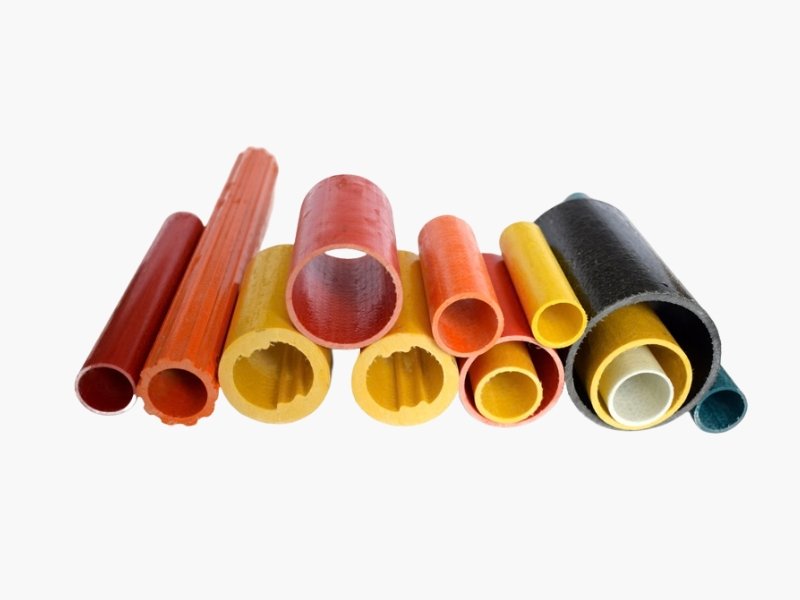
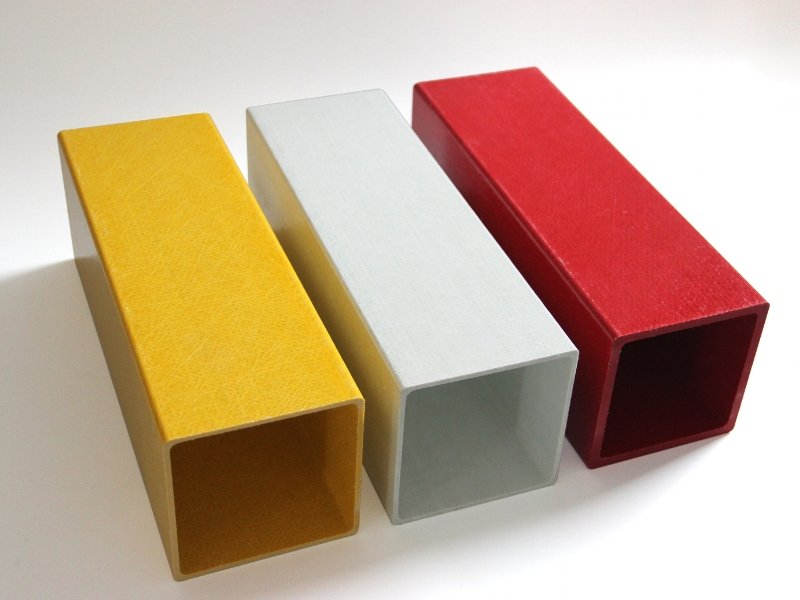
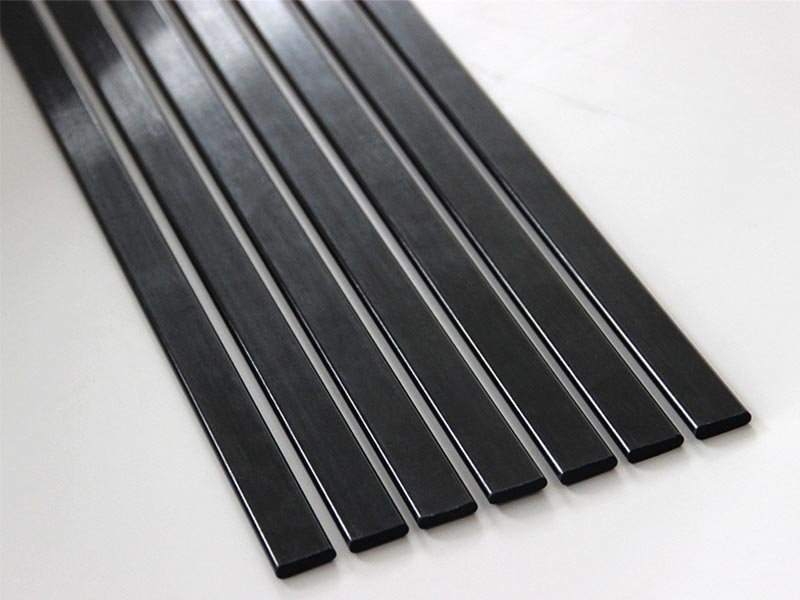
| Processable Profiles | FRP/GRP profiles, rods, tubes, GFRP rebars, small & complex sections |
Contact Our Team
Get professional support for pultrusion equipment, dies, and profilesIntroduction to Double Station Crawler Pultrusion Production Line
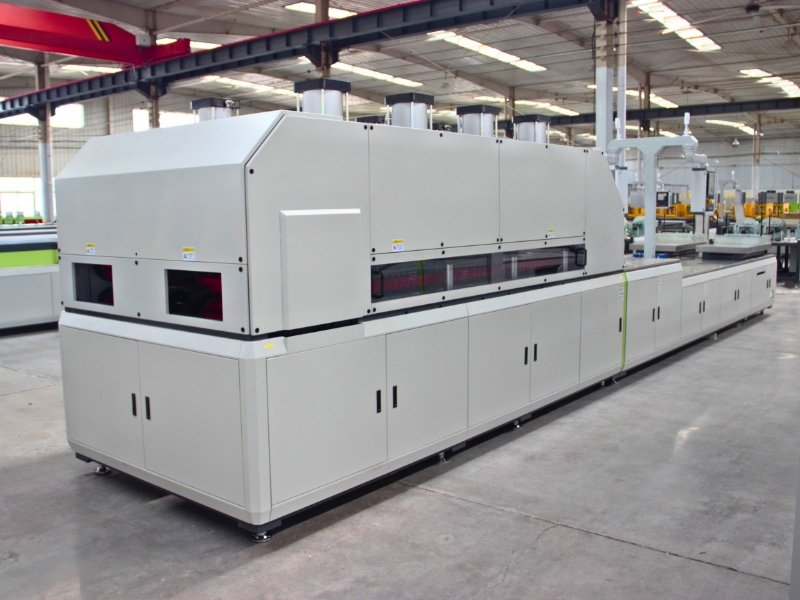
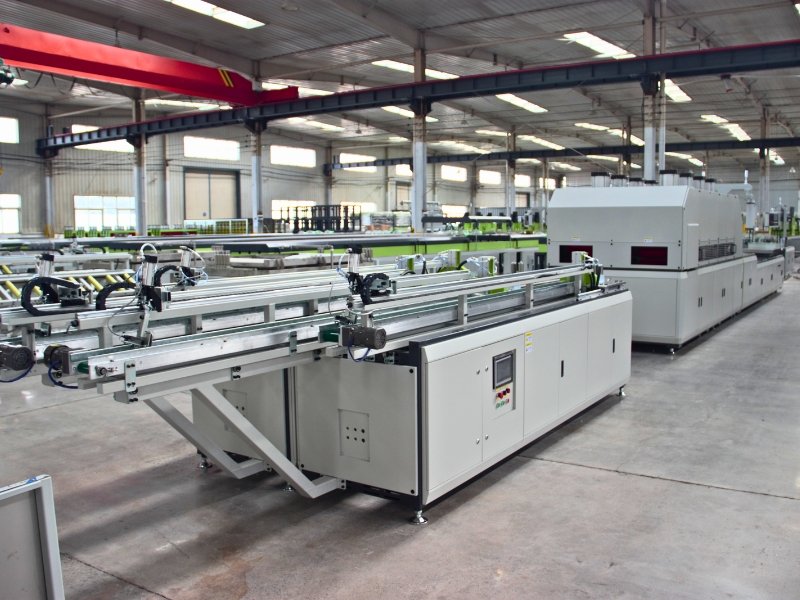
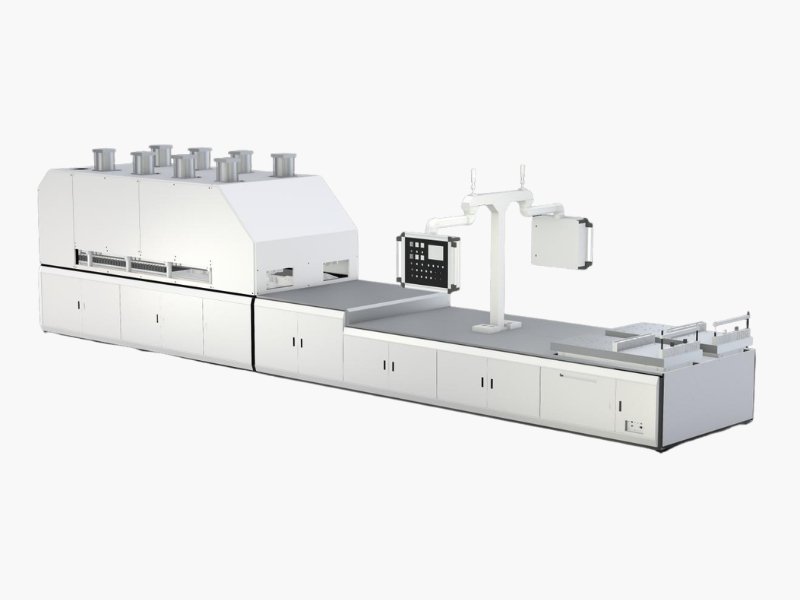
TOLIKE’s Double Station Crawler Pultrusion Production Line is built for pultruders who need more capacity without buying a second machine. Twin independent crawler stations run on one frame, each with its own pulling speed and temperature settings, so a single line turns out two different FRP/GRP fiberglass profiles at once — or doubles the volume of one. Against a standard FRP pultrusion machine, the dual-station layout cuts floor space, operator hours and energy cost per meter of profile produced.Every station pulls with servo-synchronized crawler traction rather than a single haul-off, which holds thin, hollow and complex sections steady at speed with no slip or distortion. Six-zone heating with ±3°C accuracy, precision moulds and automatic cut-to-length, stacking and counting are all managed from one PLC touch screen — so one operator can run both lines. The same chassis can be re-tooled for a GFRP rebar production line, GRP rods or fiberglass tubes, giving you one investment that covers several product families.
As a China-based pultrusion machine manufacturer, TOLIKE ships the line factory-direct with OEM/ODM options, drawing-based mould design and a turnkey setup service that includes installation, operator training and spare parts. Buyers who need fiberglass profile equipment for round-the-clock output get a production line engineered for continuous, 24/7 running with remote technical support. Send us your profile drawings and target capacity — we will quote the station count, mould set and full line layout that fits your workshop.
Demonstration Video of the Double Station Crawler Pultrusion Machine:
Benefits of FRP Dual-Station Crawler Pultrusion Machine
Twin Independent Stations — Double Output on a Single Frame
Two crawler stations run independently on one chassis, each with its own pulling speed and temperature settings — produce two FRP/GRP fiberglass profiles at once, or double the output of one, without buying a second FRP pultrusion machine.
Servo-Synchronized Crawler Traction for Thin & Complex Sections
Crawler-type pulling keeps constant, even tension on thin-wall, hollow and irregular profiles, so sections stay straight with no slip, surface marks or fiber distortion — an advantage single haul-off designs cannot match.
Multi-Zone Heating with ±3°C Accuracy for Consistent Cure
Independent temperature zones along the mould keep resin cure uniform from entry to exit, giving stable mechanical properties and low scrap rate even in 24/7 continuous production.
One PLC Touch Screen Runs Both Lines — Lower Labor Cost
Automatic pulling, cut-to-length, stacking and counting are all handled from one panel, so a single operator can manage both stations and cut your labor cost per meter of profile.
One Line, Several Product Families
Re-tool the same chassis for GRP rods, fiberglass tubes, rectangular tubes, cable trays and GFRP rebar production line projects — full flexibility without a second capital investment.
Factory-Direct Manufacturer with Turnkey Support
TOLIKE is a China-based pultrusion machine manufacturer supplying OEM/ODM fiberglass profile equipment, with drawing-based mould design, installation, operator training, spare parts and remote technical support.
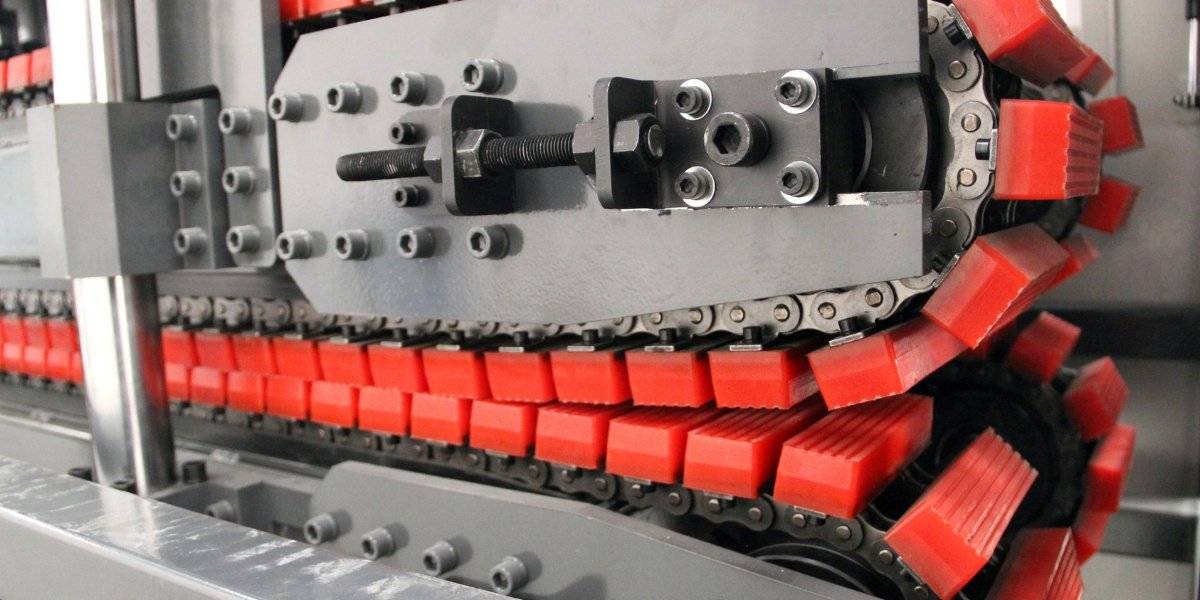
Parameters for Dual-Station Crawler Pultrusion Equipment
| Category | Parameter | Specification |
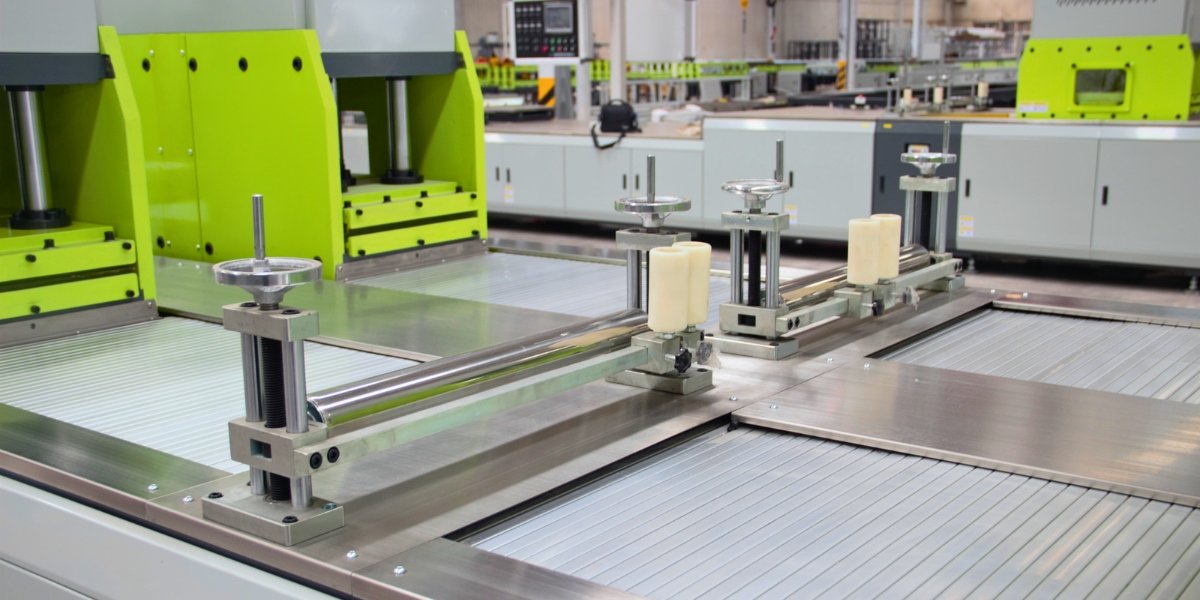
| Mold Table | Width | 500mm |
| Length | 600-1200mm | |
| Adjustment Interval | 100mm | |
| Traction Force | 100kN | |
| Traction Speed | 0-2000mm/min | |
| Clamping Force | 150kN | |
| Clamping Space | Length | 3000mm |
| Width | 400mm | |
| Height | 150mm | |
| Motor Power | 1.8kW x 4 | |
| Temperature Range | 0-250 | |
| Heating Power | 64kW | |
| Dimension | Length | 9100mm |
| Width | 1700mm | |
| Height | 2200mm | |
| Total Weight | 11t |

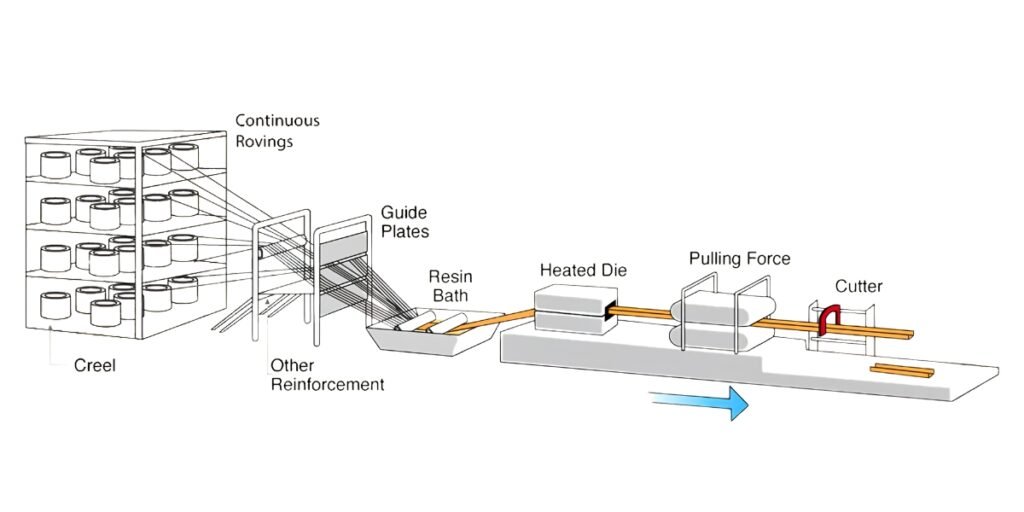
How the Double Station Crawler Pultrusion Machine Works?
Step 1|Reinforcement Feeding & Guidance
E-glass rovings, continuous filament mat, stitched fabric and surface veil are pulled from creels and roll stands. Yarn combs and guide plates route every bundle into position, so the fiber package for each station stays aligned from the very first meter.
Step 2|Resin Bath Impregnation (Wet-Out)
The reinforcement passes through a resin bath of unsaturated polyester, vinyl ester, epoxy or polyurethane, together with pigment, filler and catalyst. Squeeze rollers and pre-die guides strip off surplus resin, holding a stable fiber-to-resin ratio.
Step 3|Preforming & Die Entry
Impregnated fiber runs through preforming guides that gradually compress the bundle toward the final cross-section, while surface veil is added at the entry point for a smooth, resin-rich finish.
Step 3|Preforming & Die Entry
Impregnated fiber runs through preforming guides that gradually compress the bundle toward the final cross-section, while surface veil is added at the entry point for a smooth, resin-rich finish.
Step 4|Heated Die Forming & Curing
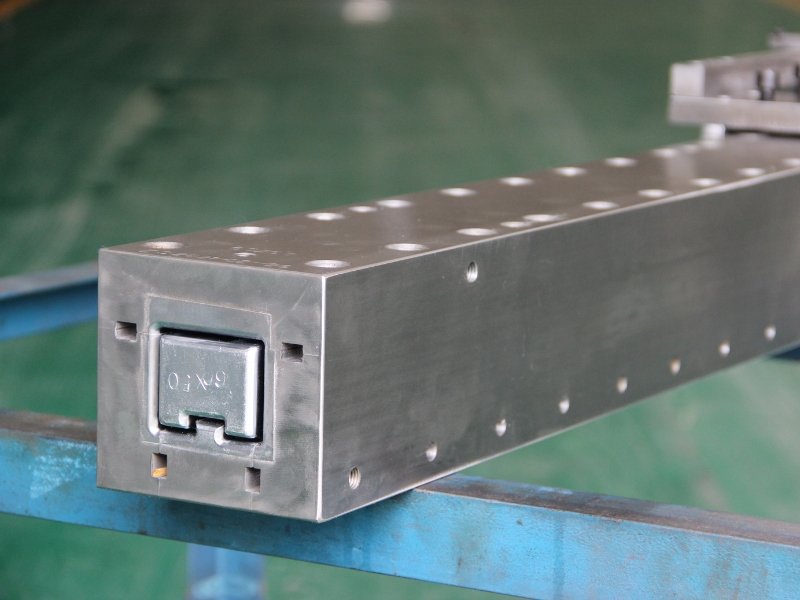
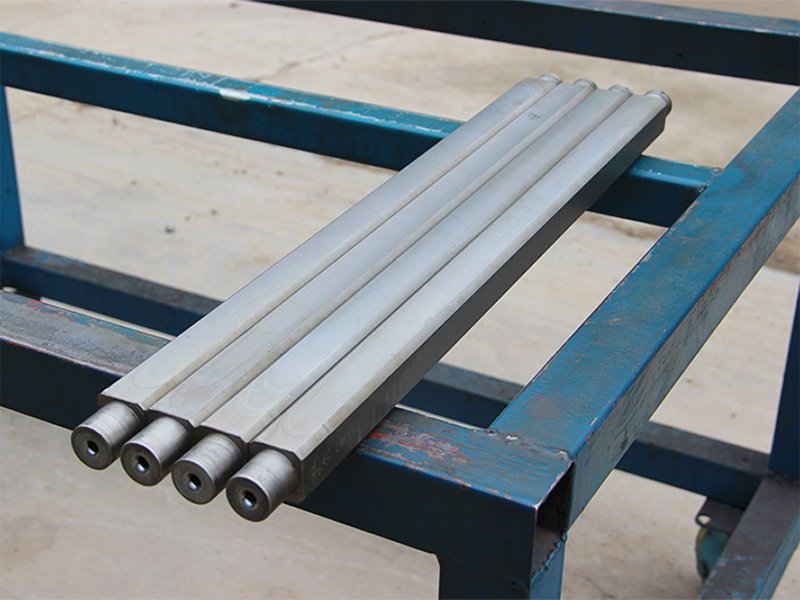
The material enters a chrome-plated steel die with three to six independently controlled heating zones, running from 0–250°C. Resin gels and cures inside the cavity, so the profile leaves the die already rigid and dimensionally true — and each crawler station carries its own die and temperature curve.
Step 5|Crawler Haul-Off & Servo Synchronization
Caterpillar traction pads clamp the cured profile at up to 150kN clamping force and draw it forward at 0.1–1.5 m/min. Closed-loop servo control keeps both stations pulling at a constant, steady rate, so thin-wall, hollow and irregular sections come out straight without slip marks or fiber distortion.
Step 6|Synchronized Cut-Off
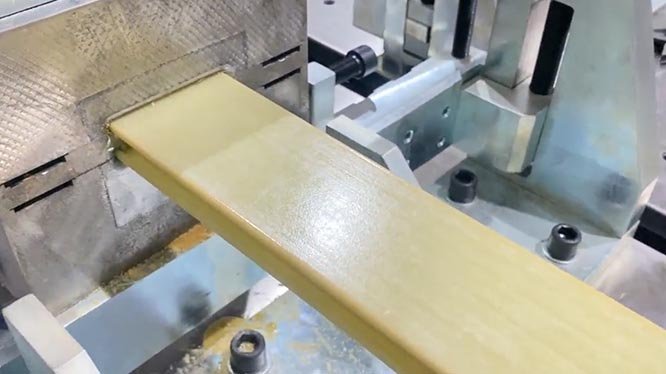
A flying cut-off saw travels with the moving profile and cuts it to the preset length automatically, then the finished piece is transferred to the stacking table.
Step 7|Dual-Station Coordination, Stacking & Counting
A master PLC links the two stations while each keeps its own touch screen, pulling speed, clamping pressure and mould temperature. That means Station A and Station B can turn out two different FRP/GRP profiles at the same time, or run the same profile to double output. Automatic stacking and counting close the loop, so one operator can manage the whole line.
Applications Of Products Manufactured By Double Station Crawler Pultrusion Machines
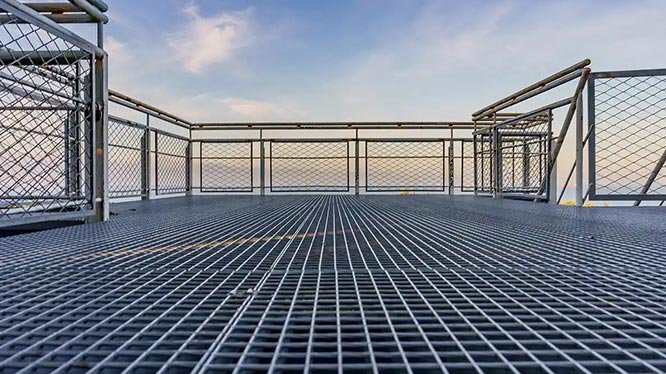
A dual-station crawler pultrusion machine is not tied to one product family. Because each crawler station runs its own die, heating curve and pulling speed, the same line can serve two different end markets at once — cable trays on Station A while Station B runs greenhouse posts. That is the real commercial value of the double station layout: one investment, several industries, and the flexibility to follow demand as markets shift.
For pultruders, profile fabricators, panel builders and EPC contractors, the dual-station design is what makes small and mixed order books viable — Station A can run a bulk order while Station B handles trial moulds and short runs. TOLIKE supplies these lines factory-direct with drawing-based mould design, OEM/ODM production and turnkey installation, so you can enter several of these industries with a single machine.