
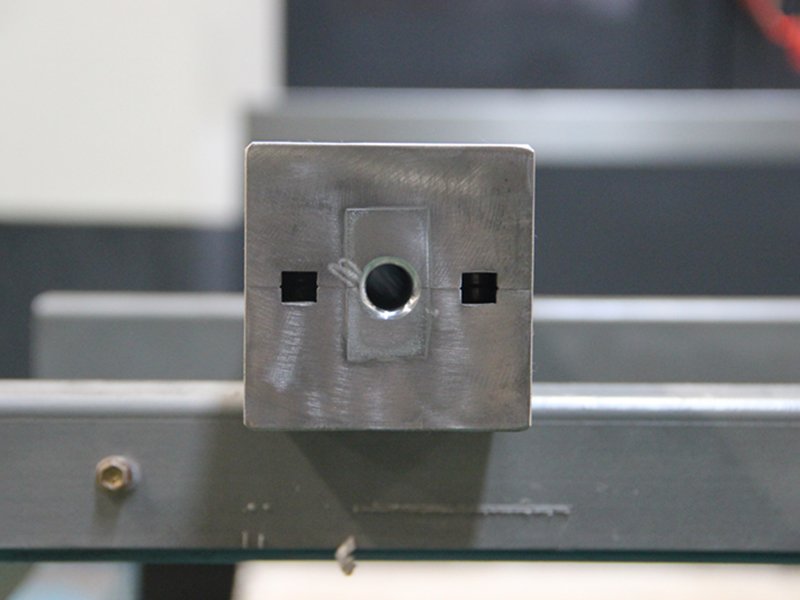
FRP Rod Pultrusion Mold: Precision Dies for High-Strength Fiberglass Profiles
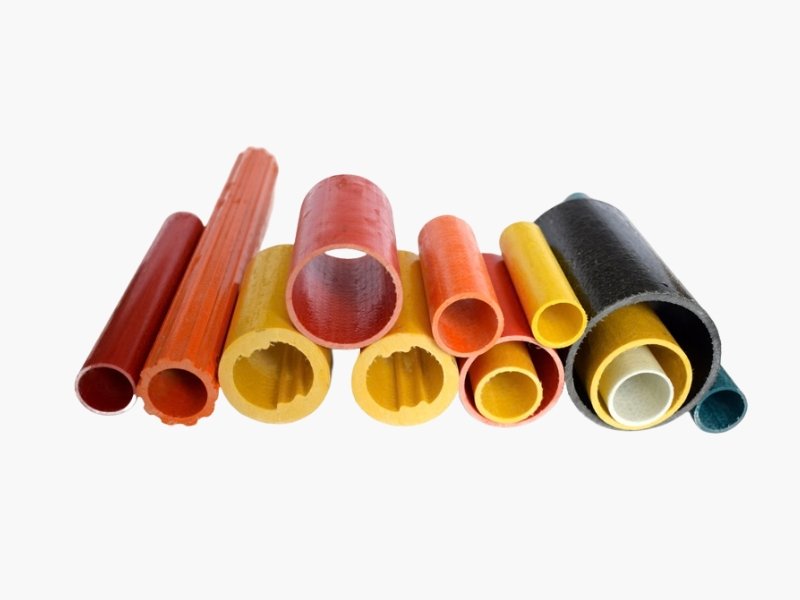
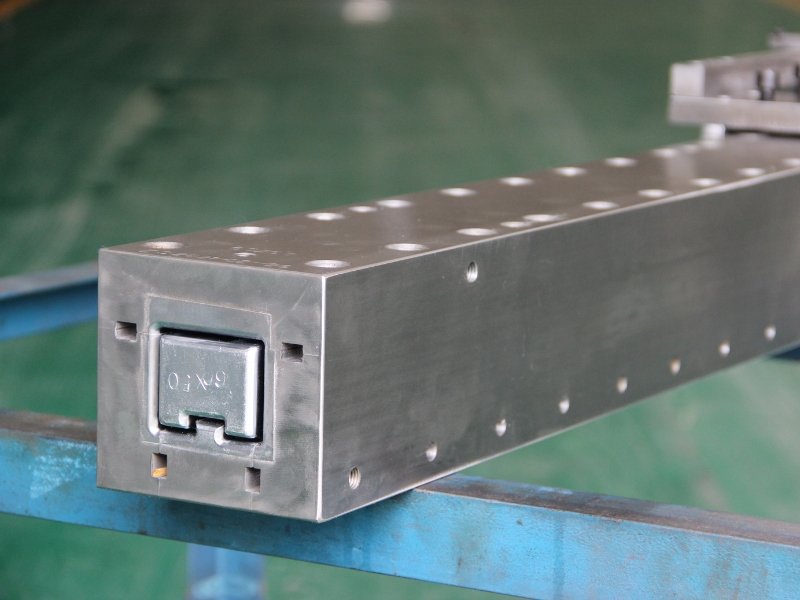
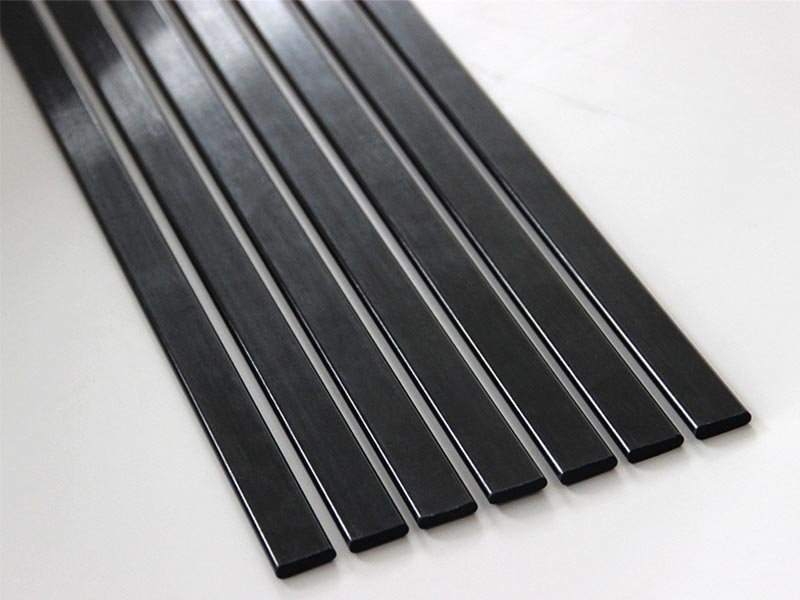
TOLIKE supplies custom FRP rod pultrusion molds for fiberglass round rods and solid composite profiles. Explore tailored die design, material selection, heating solutions, and technical support.| Mold name | FRP Round Rod Pultrusion Mold |
| Specification | 3~32mm (Can be customized) |
| Material | 40Cr, P20, Cr12, 38CrMoAI, H13 (optional) |
| Cavity Surface Treatment | Quenching and tempering, quenching, hard chrome plating, nitriding |
| Applicable resin | Unsaturated polyester, vinyl resin, epoxy resin, phenolic resin, polyurethane |
Contact Our Team
Get professional support for pultrusion equipment, dies, and profilesFRP Rod Pultrusion Mold for Custom Fiberglass Rod Production
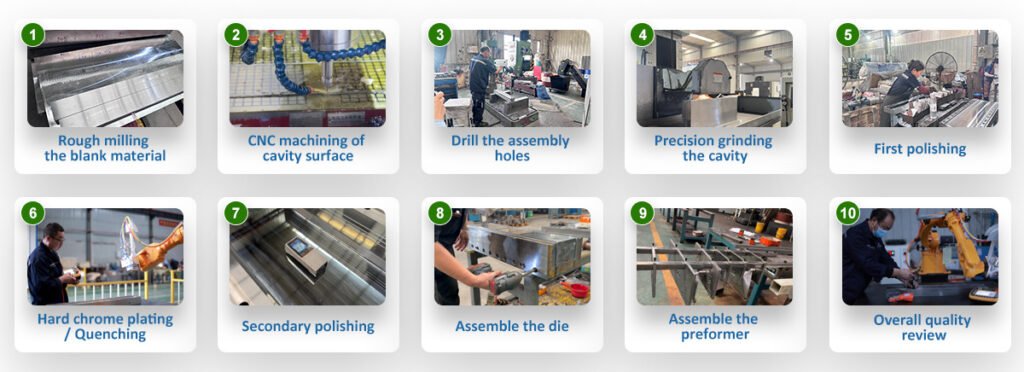
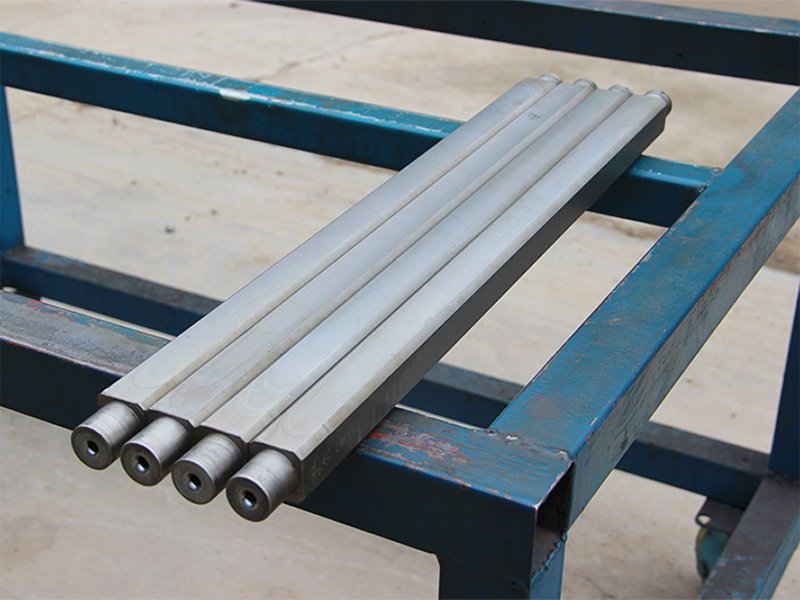
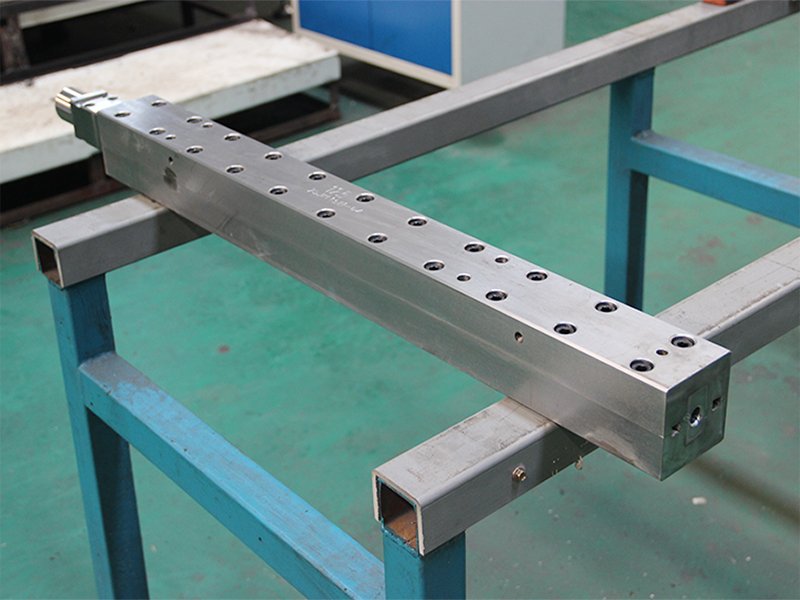
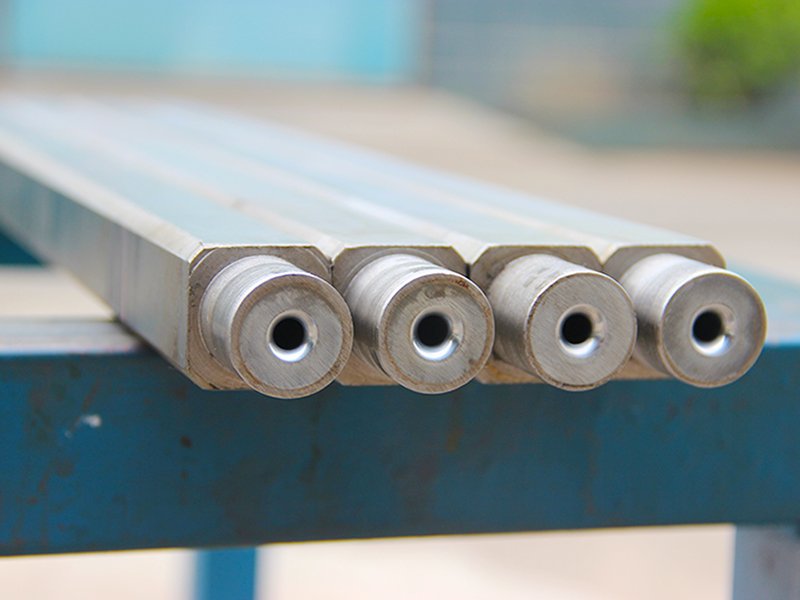
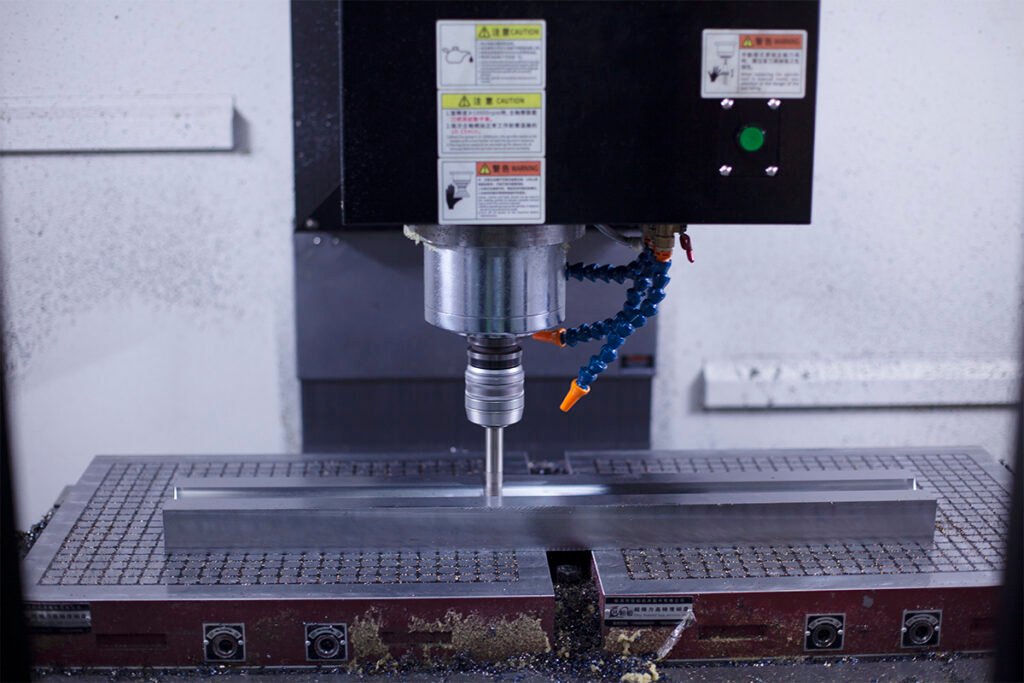
TOLIKE is a manufacturer specializing in custom FRP rod pultrusion dies for fiberglass solid rod profiles. Our FRP rod pultrusion molds are engineered for high precision and extended service life. The manufacturing workflow includes rough milling, CNC precision machining, fine grinding and mirror polishing. We offer multiple cavity surface treatment options: hard chrome plating, quenching, nitriding, and cavity carburizing & quenching. Every finished mold undergoes strict precision inspection before delivery, delivering stable dimensional accuracy, low friction and excellent wear resistance for continuous FRP rod pultrusion production.As a professional FRP pultrusion mold manufacturer, TOLIKE also provides technical support covering mold selection, on-site installation guidance, commissioning and production process optimization.
Share your profile drawing, target rod diameter, material requirements and pultrusion machine parameters with us. Our engineering team will assess your project, discuss mold configuration and prepare a tailored technical proposal & quotation.
|
Engineering Specification |
Standard Value |
Industrial Significance |
|
Profile Specification |
3~ 32mm (Customizable) |
Optimized for insulation and handles. |
|
Cavity Material |
Cr12 / H13 / 38CrMoAI |
Exceptional wear & heat resistance. |
|
Cavity Hardness |
HRC 55 – 62 |
Immune to fiber-induced erosion. |
|
Surface Smoothness |
Ra 0.025 ~ 0.012 |
Ensures a high-gloss, low-friction finish. |
|
Straightness |
< 0.02 mm / meter |
Critical for precision mechanical parts. |
|
Plating Thickness |
0.04 – 0.06 mm |
Industrial-grade chrome protection layer. |
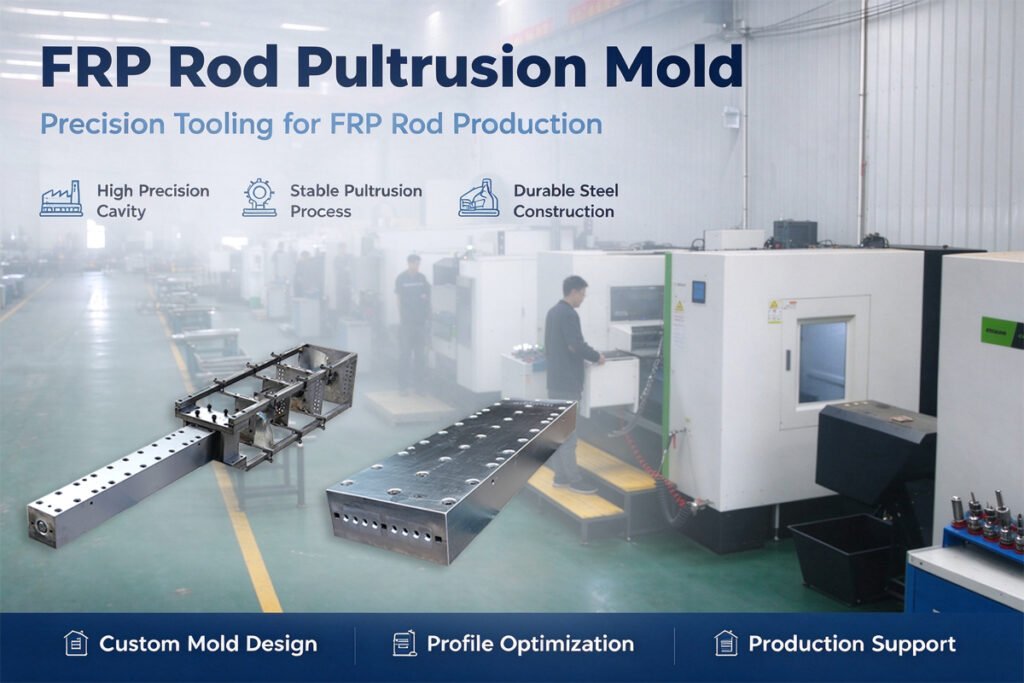
Working Principle of FRP Rod Pultrusion Moulds
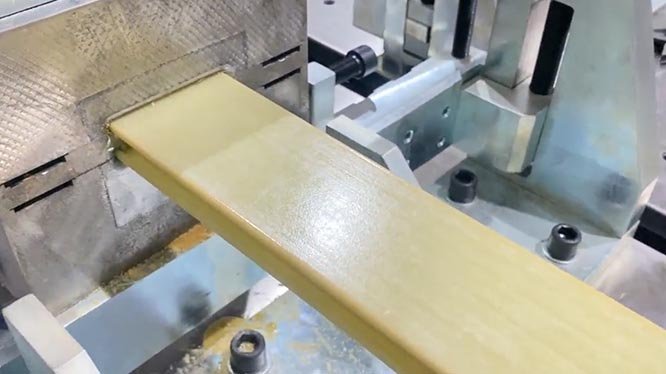
FRP rod pultrusion molds continuously shape and cure resin-saturated fiber reinforcement into solid composite rods.
Continuous glass fiber or other reinforcing materials first pass through the resin impregnation bath. The resin-wetted fiber bundle is pulled into the heated pultrusion mold. The precisely machined cavity defines the final cross-section geometry and diameter of the FRP rod.
While materials travel through the mold cavity, resin cures under controlled, uniform heating. The pulling system continuously extracts fully cured composite rod out of the die. The continuous rod can then be cut to your required finished length.
Final pultruded rod quality is determined by multiple key factors:
A well-engineered fiberglass rod pultrusion die forms the core tooling foundation for consistent production. Stable raw materials and optimized process parameters are equally critical to maintain high-quality finished rods.
Why Choose Tolike for Custom Round Bar Molds?
Customized Mold Design & Premium Raw Material
Custom mold solution tailored to FRP rod specifications, covering parting structure, preforming layout, clamping fixture and heating system. Adopts Baosteel P20H steel with substrate hardness HRC34-38 for stable continuous pultrusion.
Full Set Precision Machining & Heat Treatment
Equipped with complete advanced CNC and grinding equipment. Apply laser surface hardening: hardness ≥HRC55, hardening depth 0.5–0.8mm, deformation ≤0.1mm. Optional hard chrome plating & nitriding for enhanced wear resistance.
High-Grade Cavity Finishing Process
All cavities and R fillets are processed by high-precision grinders, followed by professional fine polishing. The cavity surface roughness reaches Ra0.025–0.05 to guarantee excellent straightness and smooth demolding.
Long Service Life & Professional Technical Support
We are a factory, not a trading company; both quality and production capacity are well-guaranteed. Our team controls every production detail. The molds feature long service life and good cost performance, with full-cycle technical support for your pultrusion projects.