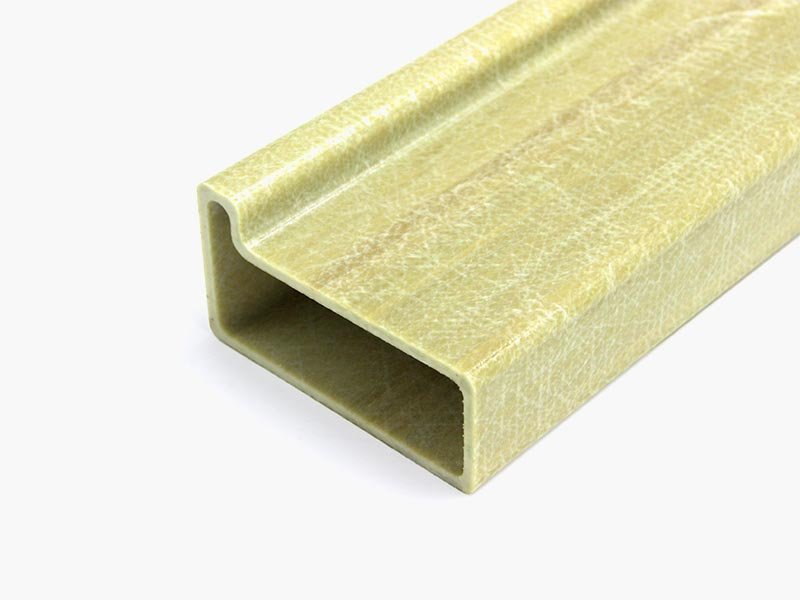
FRP Pultruded Profiles
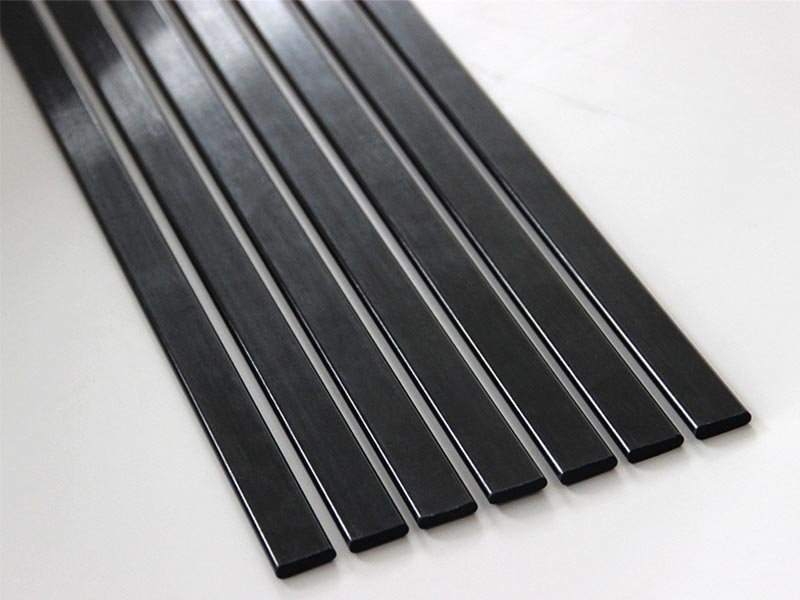
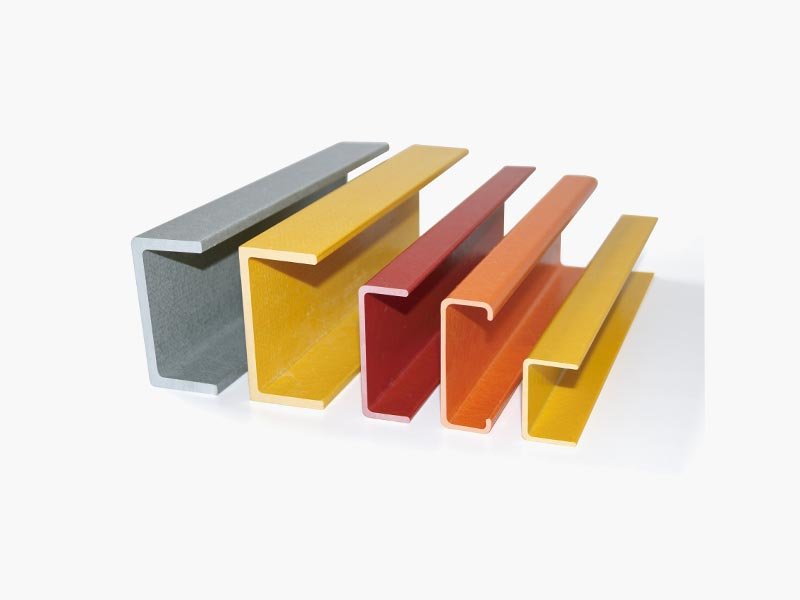
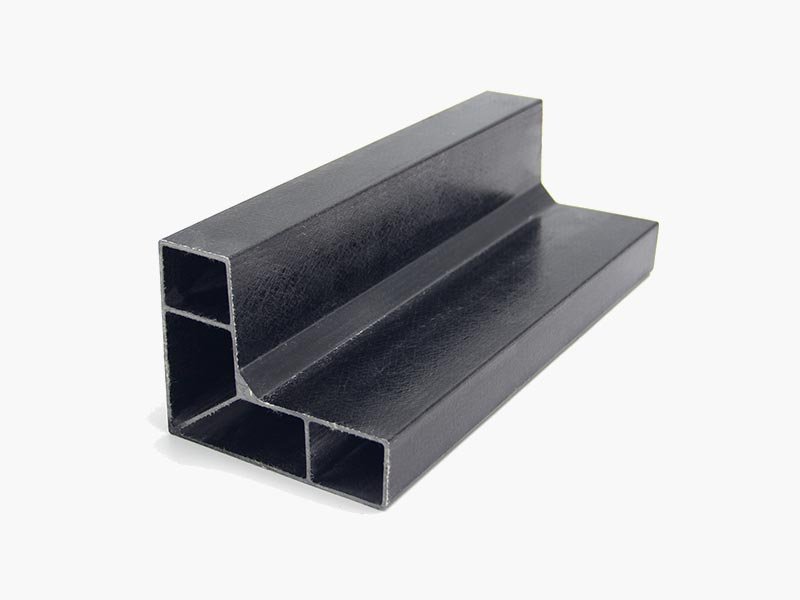
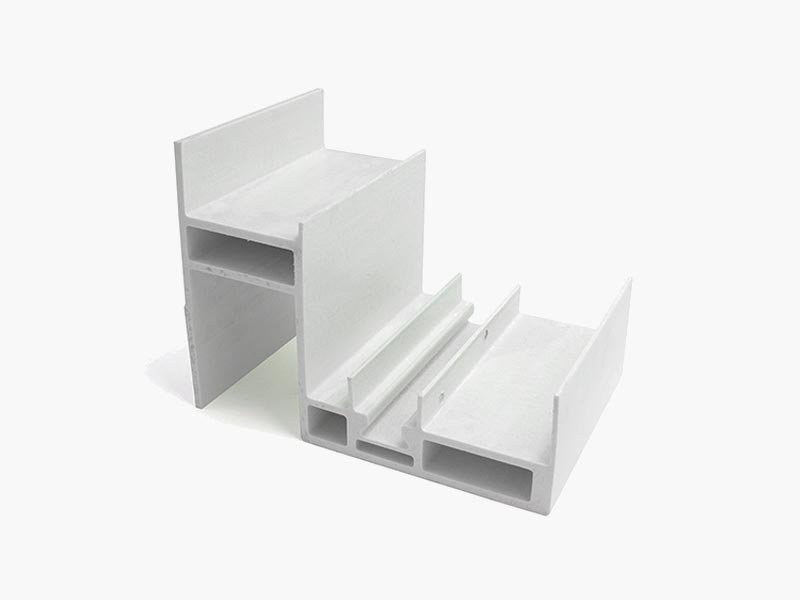
FRP Pultruded Profiles are high-performance composite profiles manufactured from continuous fiberglass and specialized resin systems through impregnation, high-temperature curing, and continuous pultrusion processes. With uniform cross-sections, stable density, and consistent mechanical properties, they provide a lightweight, durable alternative to steel, aluminum, and wood.| Parameter | Recommended Content |
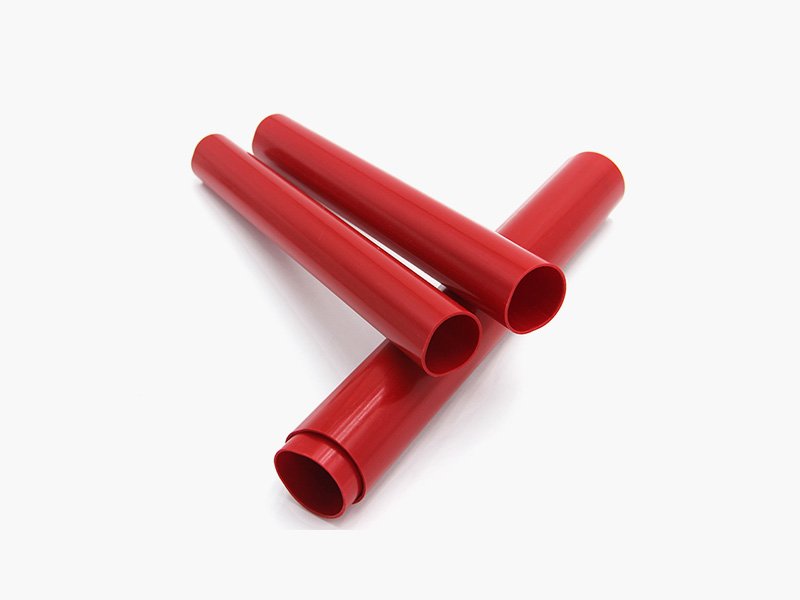
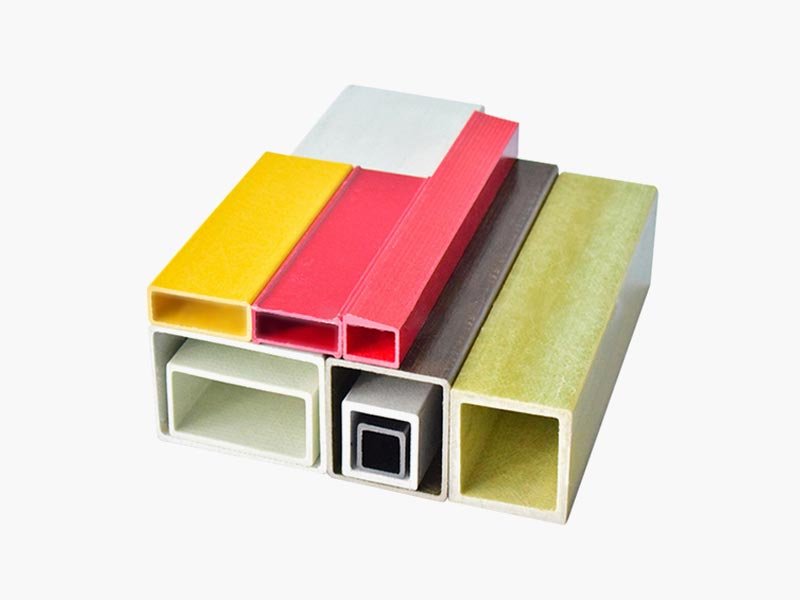
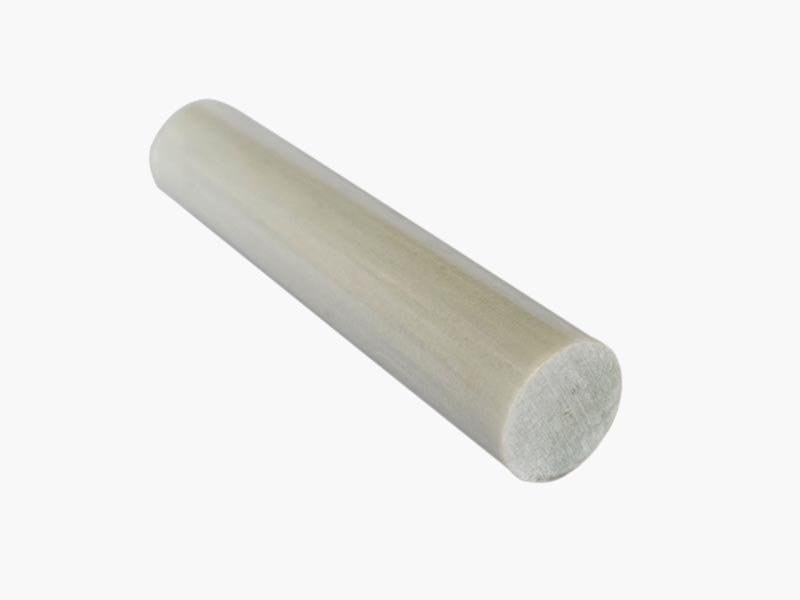
| Profile Shape | H, U, C, L, T, I, Round & Square Tubes |
| Profile Size | Custom Sizes Available |
| Wall Thickness | 2–20 mm |
| Length | Up to 12 m / Custom Lengths |
| Color | Black, Gray, Yellow, Green, Blue, Red & Custom Colors |
| Resin System | Polyester, Vinyl Ester, Epoxy, Polyurethane |
Contact Our Team
Get professional support for pultrusion equipment, dies, and profilesCore Manufacturing Process
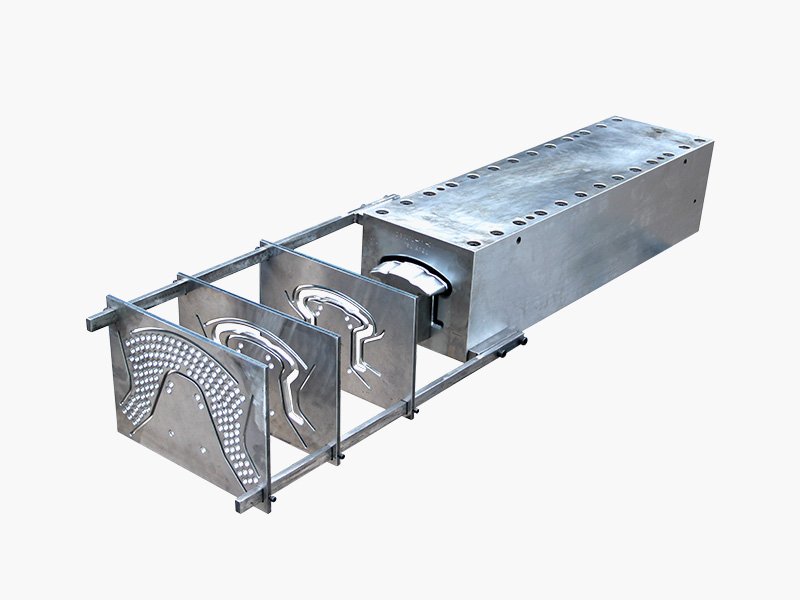
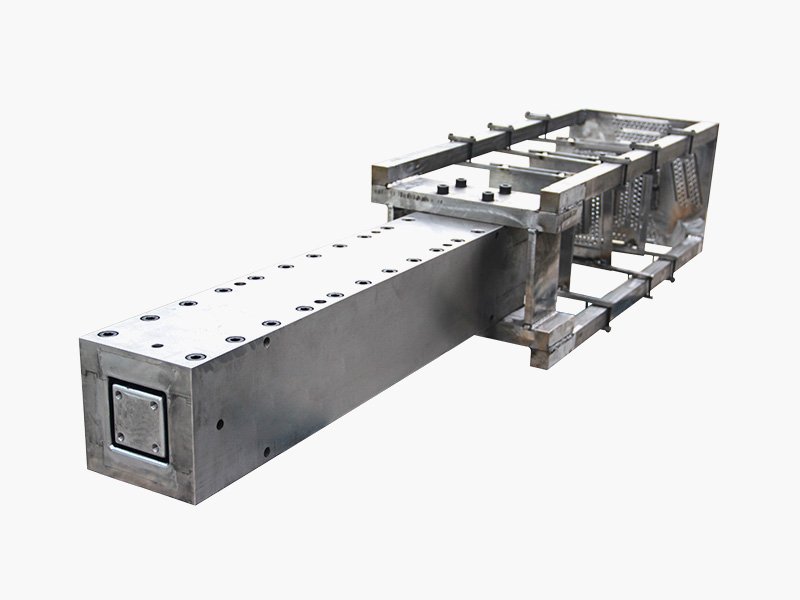
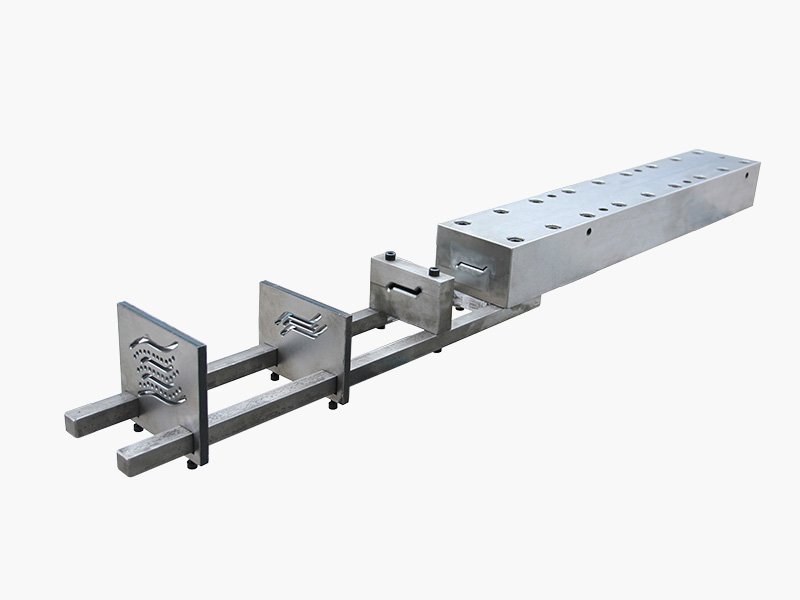
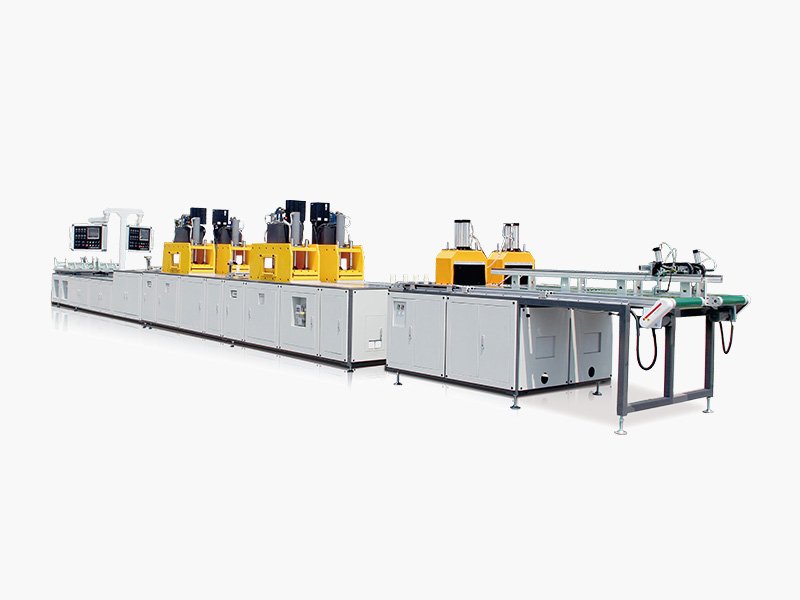
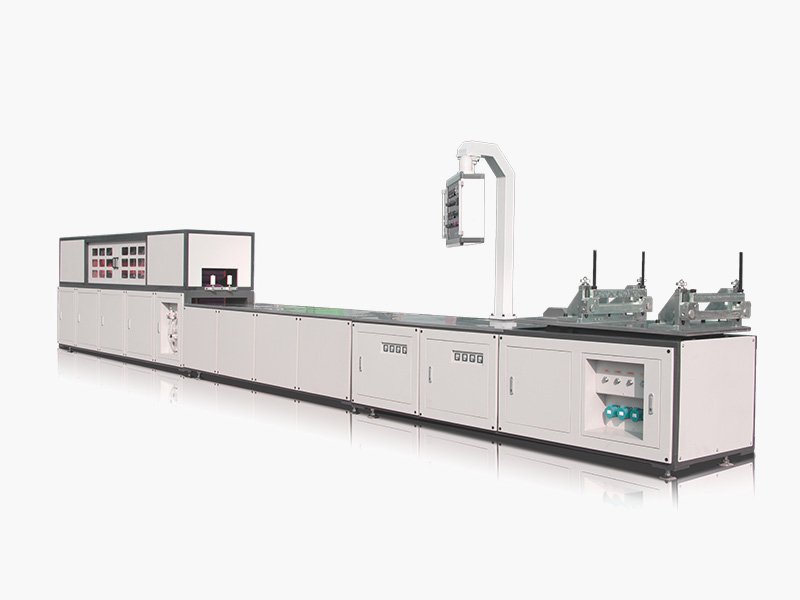
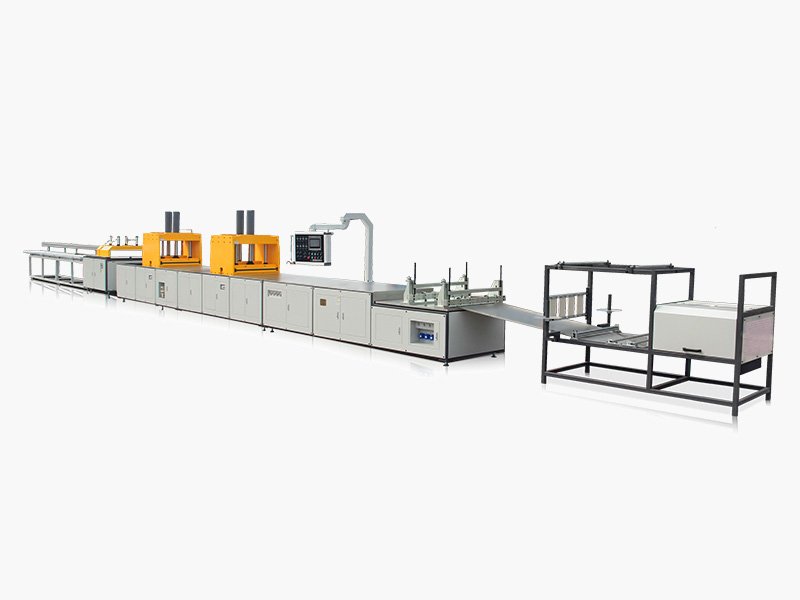
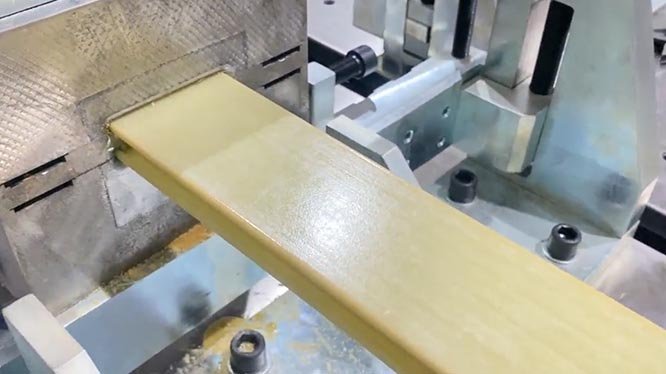
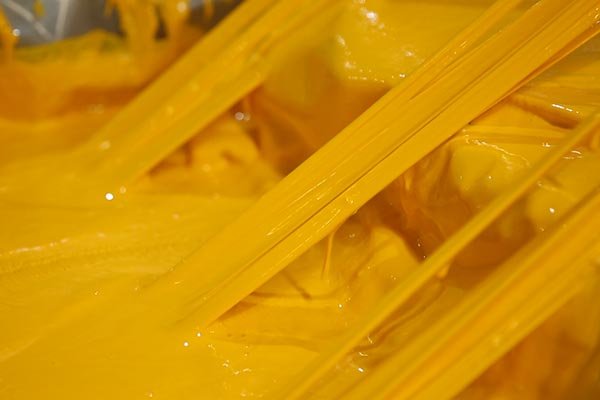
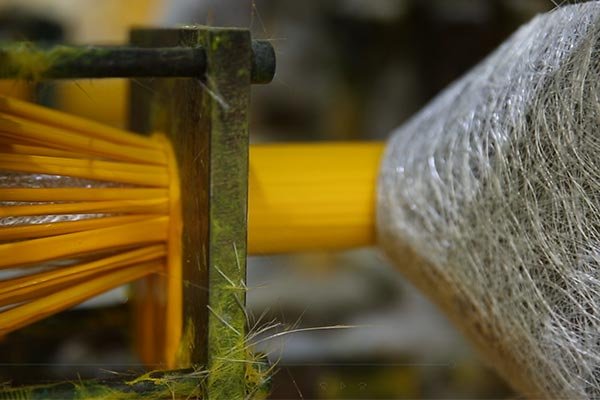
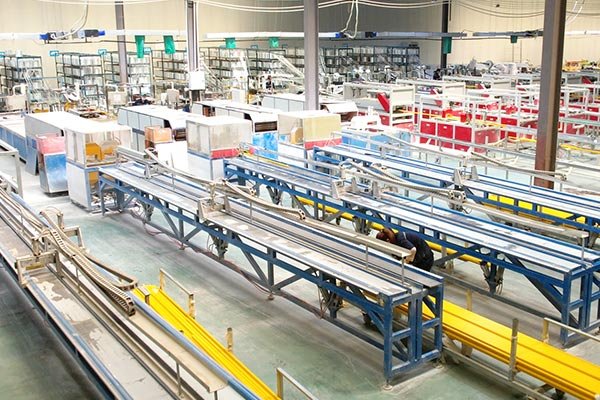
FRP pultruded profiles are produced by a fully automated continuous pultrusion line, including fiber alignment, resin impregnation, heated die curing, and precision cutting. By accurately controlling fiber content, resin ratio, and curing temperature, the process ensures balanced longitudinal tensile strength and transverse shear strength. This eliminates common issues such as deformation, delamination, and cracking, delivering stable quality and consistent performance across batches.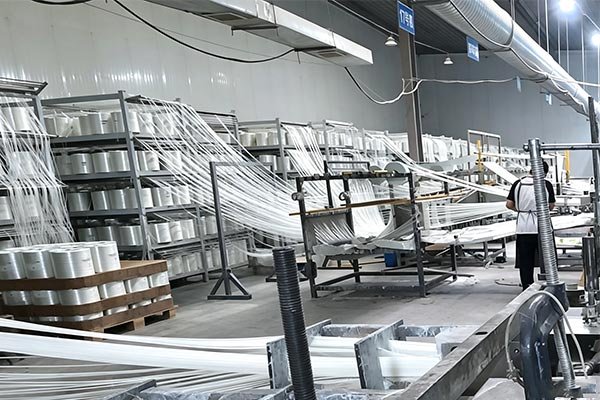
Key Advantages of FRP Pultruded Profiles
Lightweight & High Strength
FRP pultruded profiles weigh only 1/4–1/5 of steel while maintaining excellent mechanical strength. The continuous fiberglass alignment provides high tensile strength and stable load-bearing performance, reducing transportation, installation, and foundation reinforcement costs.
Corrosion & Weather Resistance, Maintenance-Free
Pultruded FRP profiles are naturally resistant to rust, oxidation, acids, alkalis, salt spray, and moisture. They are ideal for chemical plants, coastal areas, and outdoor harsh environments, eliminating regular painting and anti-corrosion maintenance.
Electrical Insulation & Flame Retardant Safety
With non-magnetic, non-conductive, and low thermal conductivity properties, FRP pultruded profiles provide reliable electrical insulation. Customized flame-retardant grades are available for power, explosion-proof, and communication projects.
High Dimensional Accuracy & Shape Stability
The continuous pultrusion curing process ensures low thermal expansion and excellent dimensional stability. FRP profiles maintain their shape without cracking, warping, or deformation under temperature changes and long-term outdoor exposure.
Easy Fabrication & Long Service Life
FRP profiles can be easily cut, drilled, and assembled on-site without special processing equipment. With a service life of 20+ years under normal conditions, they offer lower long-term lifecycle costs compared with steel and aluminum profiles.
Product Categories
We offer a wide range of standard FRP pultruded profiles for mass production, while supporting custom pultruded profiles based on customer drawings, application requirements, and project conditions, with no limitation on cross-section design.
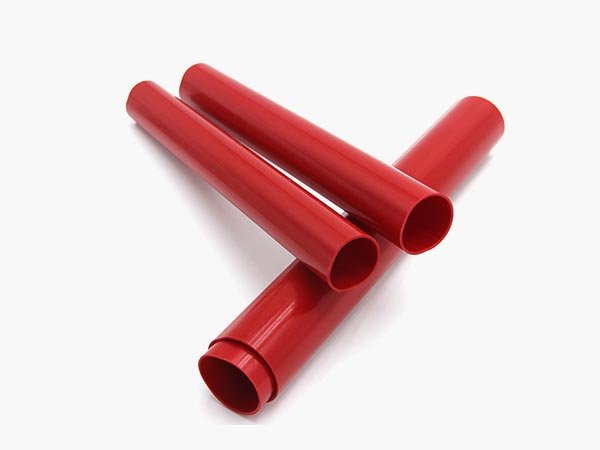
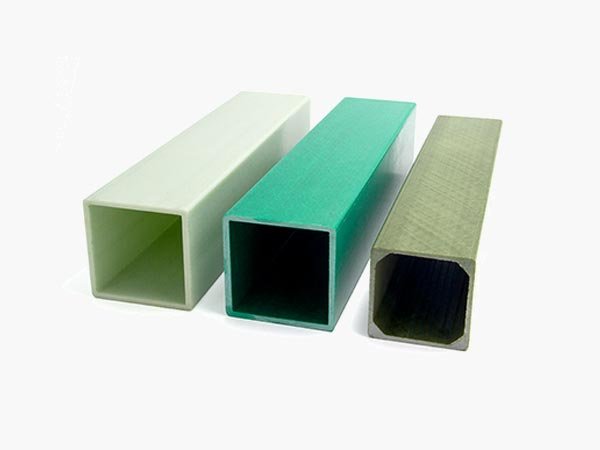
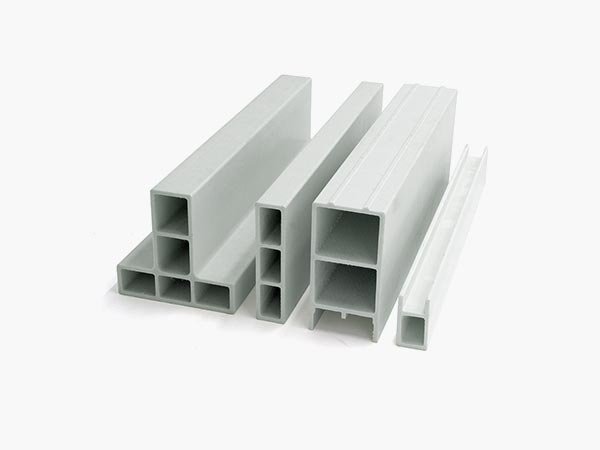
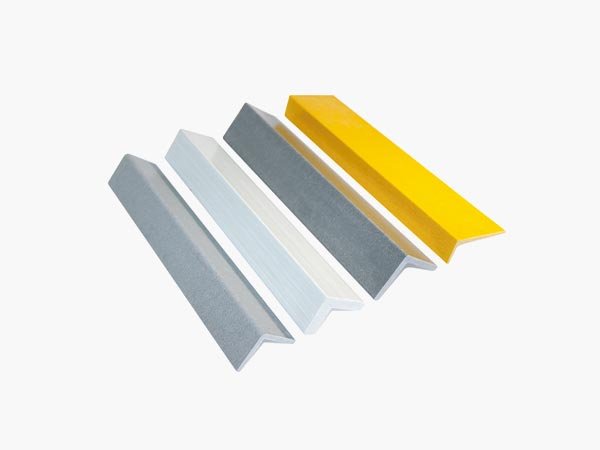

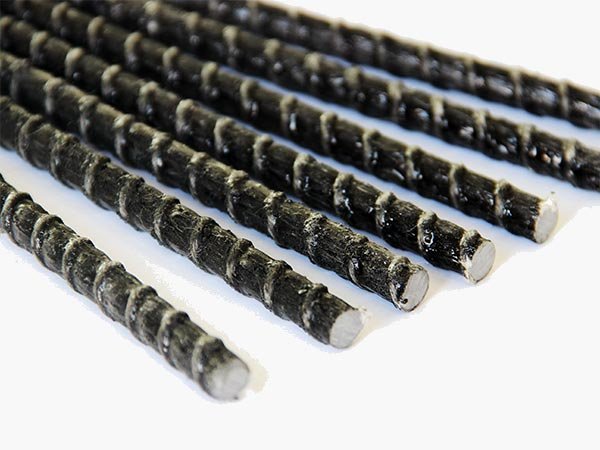
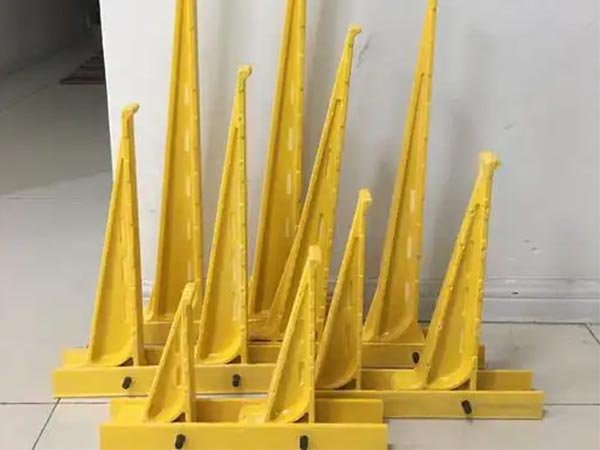
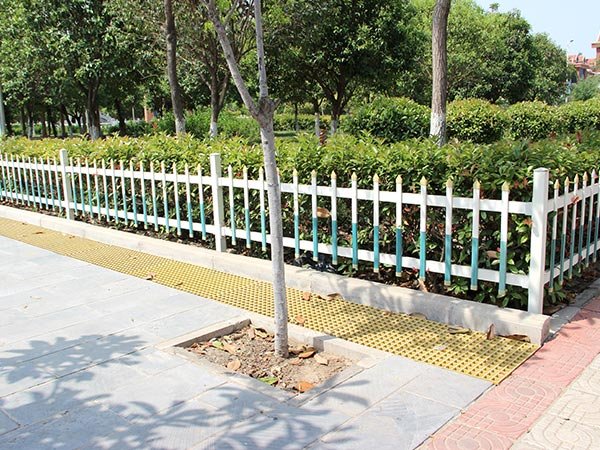
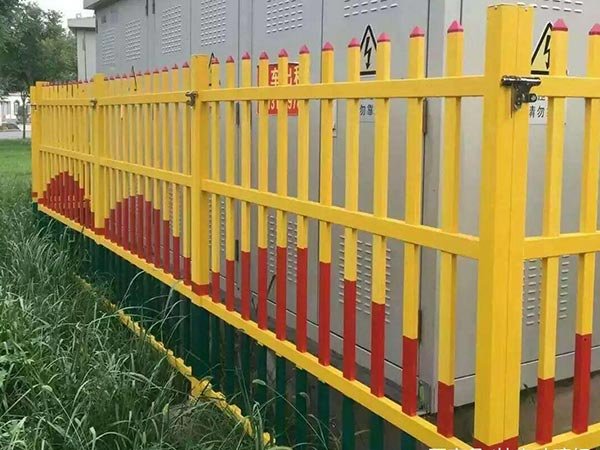
Beyond dimensions and cross-sections, we can customize colors, hardness, flame-retardant grades, and corrosion resistance levels to meet different engineering requirements and international standards.Customized solutions, not standard templates.
Performance Parameters
|
Properties |
Unsaturated Polyester Profiles |
Epoxy Profiles |
Polyurethane Profiles |
|
Mechanical properties |
Tensile Strength (MPa) |
250-600 |
500-1000 |
|
Tensile Modulus(GPa) |
20-35 |
40-60 |
50-60 |
|
Flexural Strength (MPa) |
250-600 |
500-1000 |
800-1200 |
|
Flexural Modulus (GPa) |
20-30 |
40-60 |
45-55 |
|
Compressive Strength (MPa) |
250-500 |
500-1000 |
500-1000 |
|
Shear Strength (MPa) |
20-35 |
55-65 |
60-80 |
|
lzod lmpact (KJ/㎡) |
200-400 |
500-800 |
600-1000 |
|
Physical properties |
Density (g/c㎡) |
1.8-1.9 |
1.9-2.1 |
|
Water Absorption(%) |
0.1-0.5 |
0.1-0.2 |
0.1-0.5 |
|
Barcol Hardness (HBa) |
50-60 |
50-70 |
50-70 |
|
Electrical properties |
Dielectric Strength(kv/mm) |
10-20 |
15-30 |
|
Surface Resistivity (Ω) |
10¹¹~10¹³ |
10¹²~10¹⁶ |
10¹¹~10¹³ |
|
Volume Resistivity(Ω.cm) |
10¹¹~10¹³ |
10¹²~10¹⁶ |
10¹¹~10¹³ |
Note:
FRP profiles based on unsaturated polyester, epoxy, and polyurethane resin systems offer different performance characteristics in corrosion resistance, weatherability, electrical insulation, and impact resistance. The optimal resin system can be selected according to specific project requirements and operating conditions.
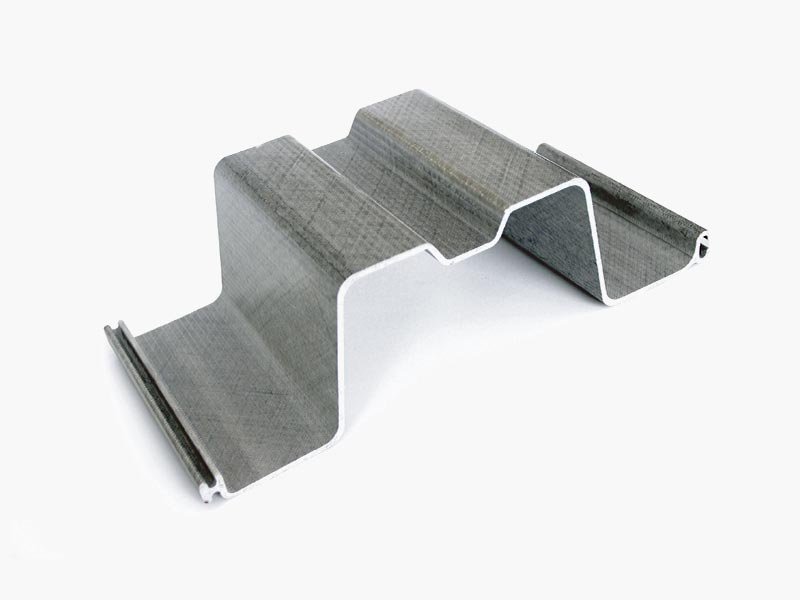
Material Systems and Material Selection Guide
The mechanical properties of pultruded profiles are primarily determined by the reinforcement fibers, while corrosion resistance and maximum operating temperature depend largely on the resin system. For material selection, choose the appropriate resin system based on the service environment first, then determine the fiber configuration according to the specific load and operating conditions. The commonly used resin systems are compared below:
|
Resin Systems |
Long-term continuous service temperature |
Corrosion resistance |
Flame retardancy |
Cost |
Applicable Operating Conditions |
|
Ortho-phthalic unsaturated polyester |
50–60°C |
Fair; resistant to weak acids and weak alkalis |
Average |
Lowest |
Dry indoor environments, general building structures, decorative profiles |
|
Iso-phthalic unsaturated polyester |
65–80°C |
Good; resistant to non-oxidizing acids at ≤70°C |
Average |
Low |
General outdoor environments, humid areas, applications requiring moderate corrosion resistance |
|
Vinyl ester |
80–100°C |
Excellent; resistant to most acids, alkalis, and salts up to 100°C |
Fairly good |
Medium-High |
Highly corrosive environments (chemical processing, electroplating, sewage treatment, marine applications, etc.) |
|
Epoxy |
100–120°C |
Excellent alkali resistance; fair acid resistance |
Good |
High |
Electrical insulation components, high-strength structural parts, environments involving alkaline media |
|
Phenolic |
120–150°C |
Excellent acid resistance (including oxidizing acids); poor alkali resistance |
Excellent; low smoke and low toxicity |
Medium-High |
High-temperature flue gas; locations requiring mandatory flame retardancy (e.g., subways, mines) |
Fiber Configuration (Step 2: Material Selection)
For standard structural components, alkali-free E-glass roving is used for unidirectional reinforcement, combined with a continuous strand mat as the surface layer. The fiber volume fraction is typically 50%–65%, providing a good balance between longitudinal strength and surface quality. For high-strength applications, the fiber volume fraction can reach up to 70%.
In comparison, hand lay-up products typically have a fiber volume fraction of only 30%–40%. This higher fiber content and optimized fiber alignment are the fundamental reasons why pultruded profiles offer significantly better mechanical performance than hand lay-up products.
Three-Step Material Selection Method
Step 1: Start with the Service Environment
Step 2: Check the Operating Temperature
Step 3: Check the Fire Safety Requirements
What Is the Limiting Oxygen Index (LOI)?
The limiting oxygen index (LOI) is the minimum oxygen concentration required to sustain the combustion of a material. Normal air contains approximately 21% oxygen. The higher the LOI, the more difficult the material is to ignite and sustain combustion.
For example, an LOI of 32% means the oxygen concentration must reach approximately 32% for the material to sustain combustion. Since normal atmospheric oxygen levels are only about 21%, flame-retardant profiles with a sufficiently high LOI are less likely to sustain combustion and can self-extinguish after the external flame source is removed.
A simple way to remember the material selection sequence: Choose the resin system first based on the service environment, then determine the operating temperature based on the working conditions, and finally check the flame-retardant requirements against applicable standards. Follow these three steps, and you can avoid most material selection errors when specifying pultruded profiles.
Key Application Areas
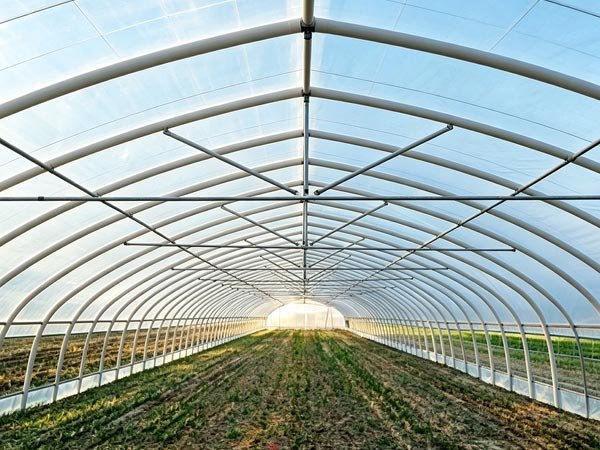
With excellent corrosion resistance, electrical insulation, and lightweight strength, FRP pultruded profiles are widely used in demanding environments. They are ideal for power and renewable energy, chemical and paper industries, coastal and marine engineering, municipal infrastructure, rail transit, corrosion-resistant equipment supports, explosion-proof facilities, agricultural structures, and outdoor structural applications.