In applications such as chemical processing, wastewater treatment, municipal facilities, industrial platforms, and factory walkways, FRP Grating has gradually replaced traditional metal gratings and wooden gratings.
With advantages including corrosion resistance, lightweight high strength, electrical insulation, and slip resistance, pultruded grating has become a mainstream choice for industrial engineering projects, providing excellent performance in various harsh operating conditions.
However, many purchasers and engineering professionals often encounter selection issues. Even with the same type of Fiberglass reinforced plastic grating, products with different specifications and manufacturing processes can have significant differences in performance. Improper selection may lead to various operational problems.
Based on years of industry experience, Tolike has developed a practical FRP Grating selection process to help customers quickly select suitable, durable, and cost-effective products.
Define Load, Span, Dimensions, and Compliance Requirements
The core of Fiberglass reinforced grating selection is based on critical parameters. Application suitability and safe operation rely on accurate specifications. Improper selection based only on experience should be avoided.
Load Rating
Select the appropriate grating based on traffic and loading conditions:
- For standard pedestrian platforms and workshop walkways, standard pedestrian-rated pultruded FRP grating is suitable.
- For areas with electric carts and small forklifts, select lightweight load-rated specifications.
- For heavy equipment areas and truck traffic zones, use thicker heavy-duty pultruded FRP grating to prevent bending and cracking under load.
Support Span
The support span determines the required FRP grating thickness.
- Common thickness options include: 25mm, 30mm, 38mm, and 50mm.
- The larger the support spacing, the thicker the required grating should be. Using thin grating for large spans should be avoided, as it is one of the main causes of deformation and structural failure during operation.
Site Dimensions and Cutting
Accurately measure the installation clearance dimensions in advance. Reserve proper installation gaps during customized cutting to ensure tight fitting, stable installation, and no looseness after installation.
Product Compliance
Professional engineering applications require complete certifications, including inspection, flame retardancy, and corrosion resistance reports, ensuring smooth safety inspections and project acceptance.
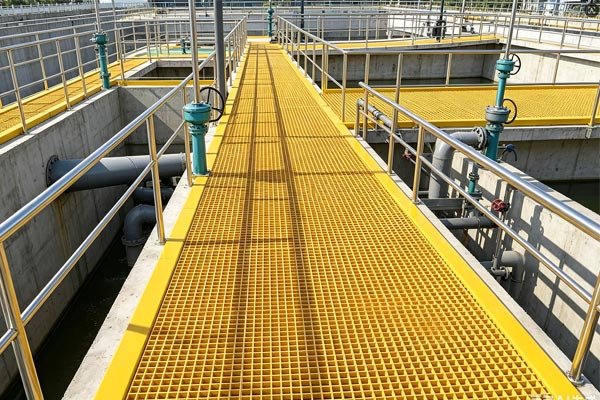
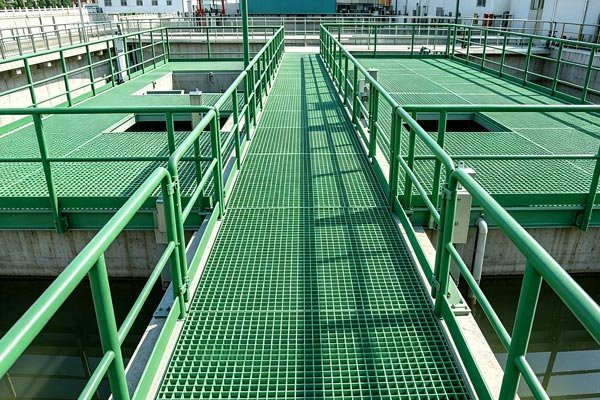
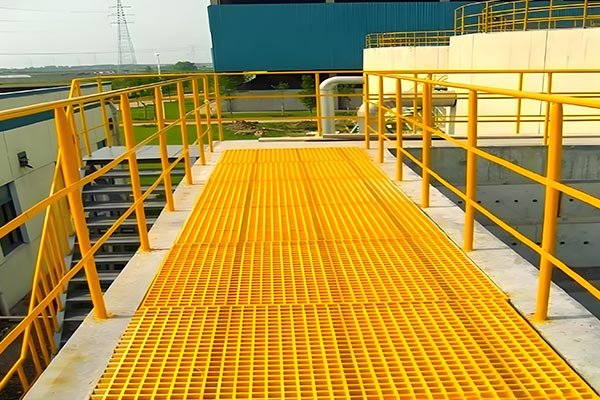
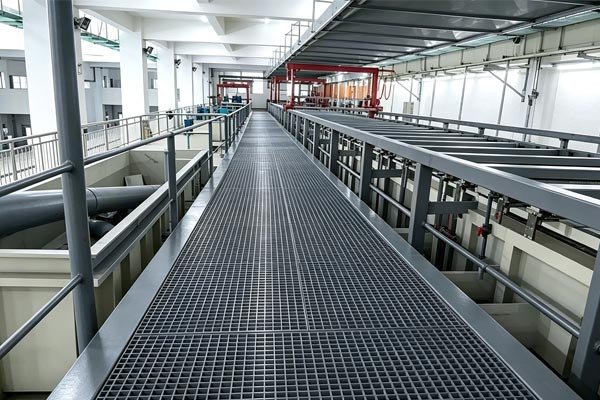
Evaluate Service Life Based on Actual Operating Conditions
Meeting technical specifications is only the basic requirement. Proper selection based on actual operating conditions and ensuring long-term durability are the key factors. The evaluation should mainly consider three aspects: temperature, usage frequency, and environmental corrosion.
Ambient Temperature Adaptability
Standard FRP grating is suitable for operating temperatures ranging from -40°C to 80°C, meeting the requirements of most indoor and outdoor applications.
For high-temperature workshops or long-term outdoor exposure conditions, high-temperature-resistant modified resin systems should be selected to prevent thermal aging, embrittlement, and cracking.
For low-temperature environments, FRP does not have concerns such as freezing cracks. Its low-temperature stability is significantly better than that of steel and wood materials.
Traffic and Usage Frequency
For frequently used work platforms and main access walkways, high-density molded Fiberglass grating is preferred due to its more stable structure and better fatigue resistance.
For rooftop maintenance platforms and low-frequency service areas, standard specifications can be selected to reasonably control procurement costs.
Long-Term Aging and Performance Loss Assessment
For outdoor applications, UV resistance is a key consideration to prevent fading, surface powdering, and delamination.
For chemical, acidic/alkaline, and wastewater environments, corrosion resistance should be enhanced to extend product service life from the source and reduce future replacement costs.
Evaluate FRP Grating Quality Through Raw Materials and Manufacturing Process
The performance and service life of Fibreglass reinforced plastic grating mainly depend on raw material composition and manufacturing processes. The following explains the material standards and process characteristics of high-quality industrial pultruded FRP grating.
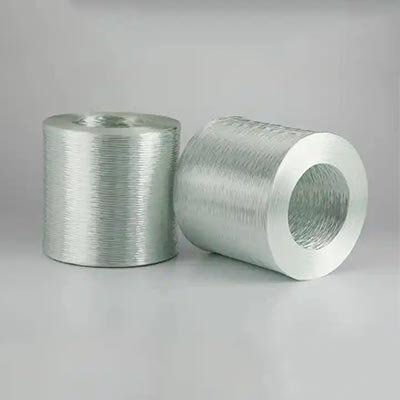
High-Quality Raw Material Composition Standards
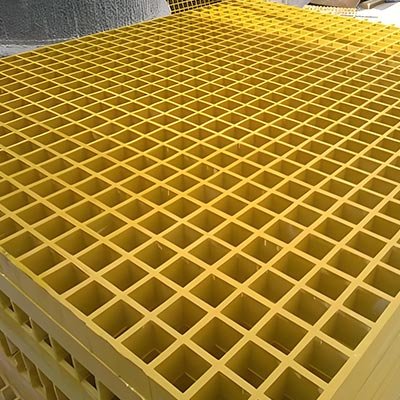
Application Analysis of Pultrusion Process
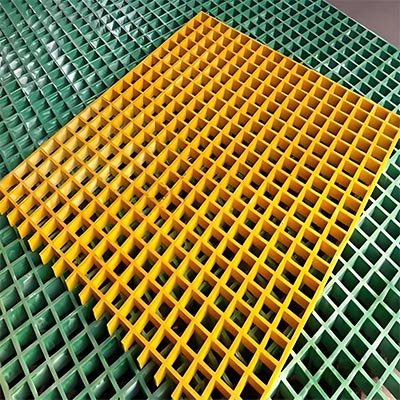
Key Points for Identifying High-Quality Pultruded FRP Grating Appearance and Texture
Select FRP Grating Specifications Based on Application Requirements
Pultruded FRP grating is highly application-specific. Different industrial environments require different specifications. Proper selection ensures safety, durability, and cost efficiency. The following are common selection references for industrial applications.
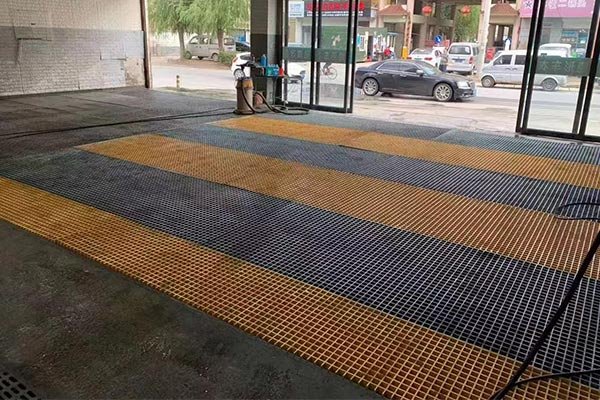
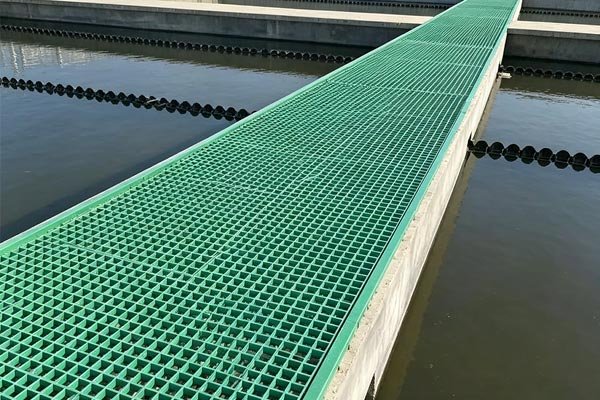
Wastewater Treatment, Chemical Tanks, and Trench Covers
For acidic, alkaline, humid, and highly corrosive environments, corrosion-resistant pultruded FRP grating should be selected.
Pultruded products feature a denser structure, better penetration resistance, and improved delamination resistance. They maintain dimensional stability under large-span installation and provide long-term performance in chemical processing and wastewater treatment environments.
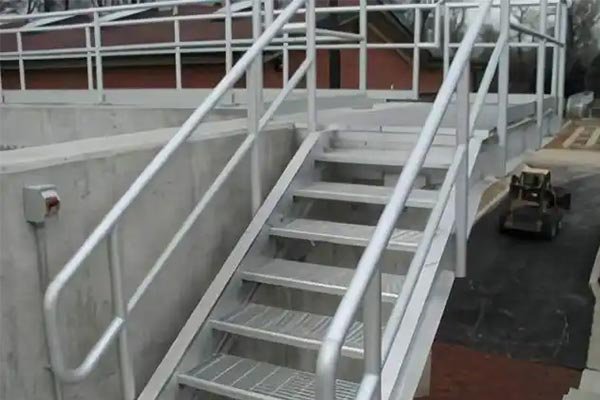
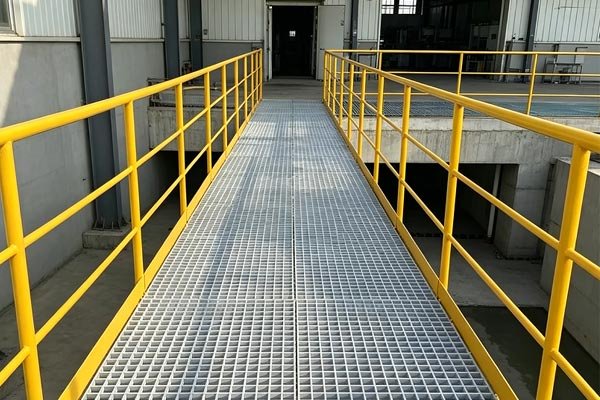
Workshop Platforms, Stair Treads, and Pedestrian Walkways
As one of the main application areas of pultruded Fiberglass grate, standard specifications such as 25mm, 30mm, and 38mm are commonly selected.
They provide flat installation, strong structural integrity, and resistance to warping and deformation, fully meeting industrial pedestrian load requirements and supporting frequent long-term traffic with excellent cost performance.
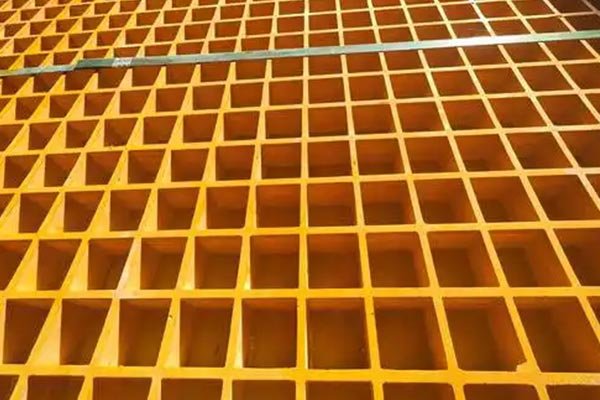
Factory Forklift Routes and Heavy-Duty Equipment Platforms
Areas exposed to light forklift traffic and heavy equipment loads require 50mm or thicker heavy-duty pultruded FRP grating.
With high structural rigidity and excellent compression and impact resistance, it prevents deformation and collapse in molded FRP grating under heavy loads, making it suitable for demanding industrial applications.
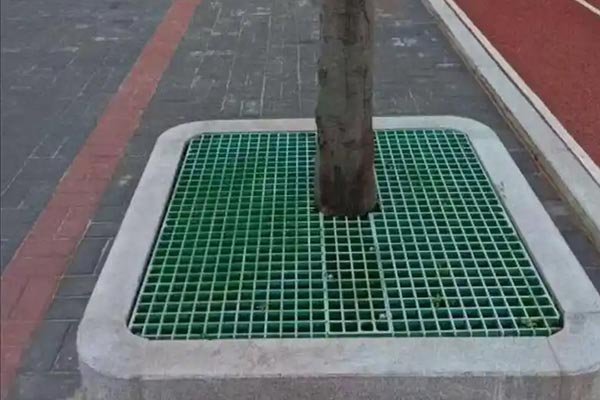
Municipal Landscaping and Lightweight Applications
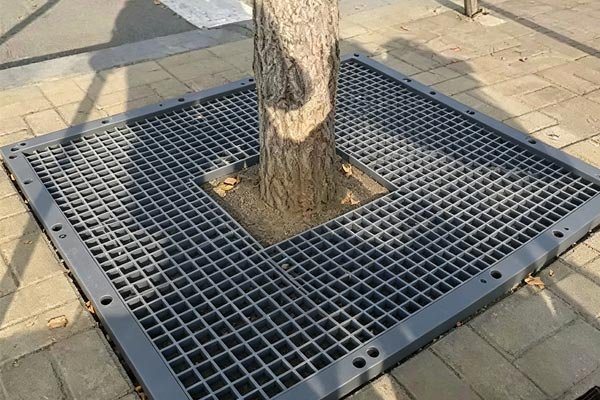
Tree grates and lightweight landscaping applications are generally suitable for molded FRP grating.
Pultruded FRP grating is mainly designed for industrial engineering applications rather than lightweight residential or landscaping uses. Industrial projects do not need to prioritize these specifications.
Three Key Performance Requirements for FRP Grating Selection
Corrosion resistance, slip resistance, and flame retardancy are the three core performance requirements of Frp grate and are also key factors in industrial project acceptance. Each performance requirement should be carefully verified during selection.
01——
Corrosion Resistance
- The greatest advantage of FRP is that it will not rust and can withstand corrosion from acids, alkalis, wastewater, salt spray, and organic solvents.
- For standard conditions, standard corrosion-resistant FRP grating is suitable.
- For chemical processing, electroplating, coastal areas with high salt spray, and other corrosive environments, FRP grating with corrosion-resistant resin should be selected to extend service life.
02——
Slip Resistance
- For industrial wet and slippery environments, pultruded FRP grating can be customized with integrated anti-slip grit surfaces or textured anti-slip layers.
- It provides strong adhesion, excellent wear resistance, and long-term surface durability, making it suitable for wet platforms, outdoor rainy conditions, and slippery chemical plant walkways, effectively reducing slip hazards and improving operational safety.
03——
Flame Retardancy
- For large factory buildings and chemical explosion-proof areas, flame-retardant FRP grating must be selected to fully meet all relevant flame-retardant standards.
- The material is self-extinguishing after removal from the flame and prevents flame propagation.
- For most general residential or non-fire-rated applications, standard non-flame-retardant FRP Grating can be selected.
Three Key Procurement Factors: Price, Quality, and Manufacturer Service
Avoid choosing solely based on the lowest price. True value for money comes from balancing quality, application suitability, and service. When comparing suppliers, focus on the following three points:
Prioritize Direct Manufacturers
Direct manufacturers can control raw materials and production processes in-house, ensuring consistent quality. They can support non-standard dimensions, custom cutting, and drilling to meet site requirements, while providing inspection and certification documents to meet acceptance requirements.
Compare Quotes for Equivalent Specifications
When comparing prices, make sure the thickness, resin content, production process, and hole specifications are consistent. Avoid comparing different configurations blindly and falling into the trap of low prices achieved through cost-cutting and inferior workmanship.
Confirm Delivery and After-Sales Service
For urgent orders, confirm the available stock levels. For long-term projects, confirm the expected lead time for batch production. Also verify the warranty coverage, after-sales support, and repeat-order services to ensure smooth project implementation.
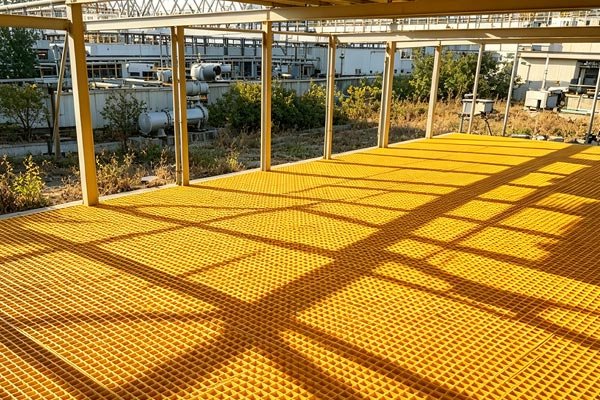
Confirm Installation Methods and Long-Term Maintenance Costs
Pultruded FRP grating features easy installation and low maintenance costs, making it a preferred solution for industrial engineering applications and an important factor during product selection.
Simple and Efficient Installation
Maintenance-Free Performance, Lower Long-Term Costs
Conclusion
High-quality FRP grating suitable for industrial applications is not simply the lowest-priced option, but a pultruded FRP grating product that meets specification requirements, matches operating conditions, provides stable performance, and reduces long-term maintenance costs.
By following the selection methods introduced in this article, common quality issues such as deformation, slipping, corrosion, and cracking can be effectively avoided. At the same time, project costs can be accurately controlled, achieving the optimal balance of safety, service life, and cost effectiveness for FRP grating applications across industrial, municipal, and landscaping projects.
FAQ
References & Sources
1. Fiberglass reinforced plastic grating-Wikipedia
2. Standard Specification for Fiber-Reinforced Polymer (FRP) Gratings Used in Marine Construction and Shipbuilding-ASTM International
3. ASCE/SEI 74-23-American Society of Civil Engineers (ASCE)
SIMILAR PRODUCTS
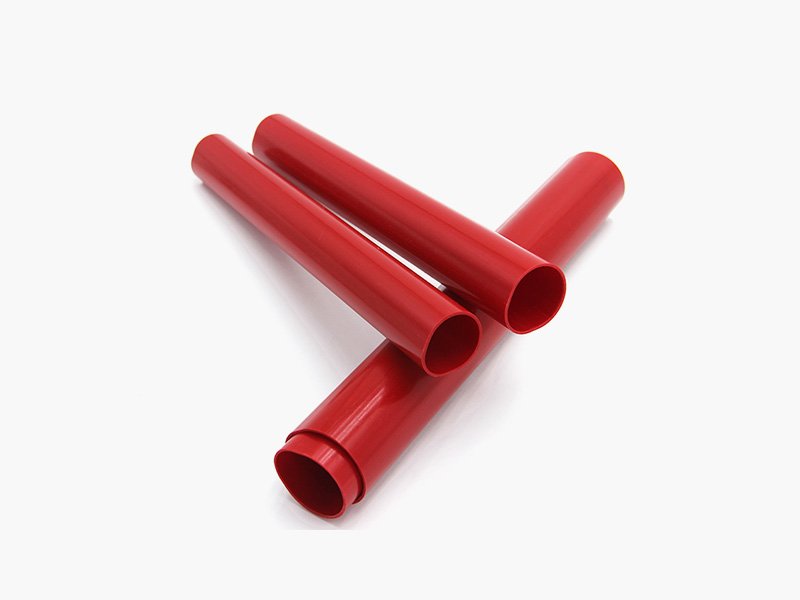
Fiberglass Tubes
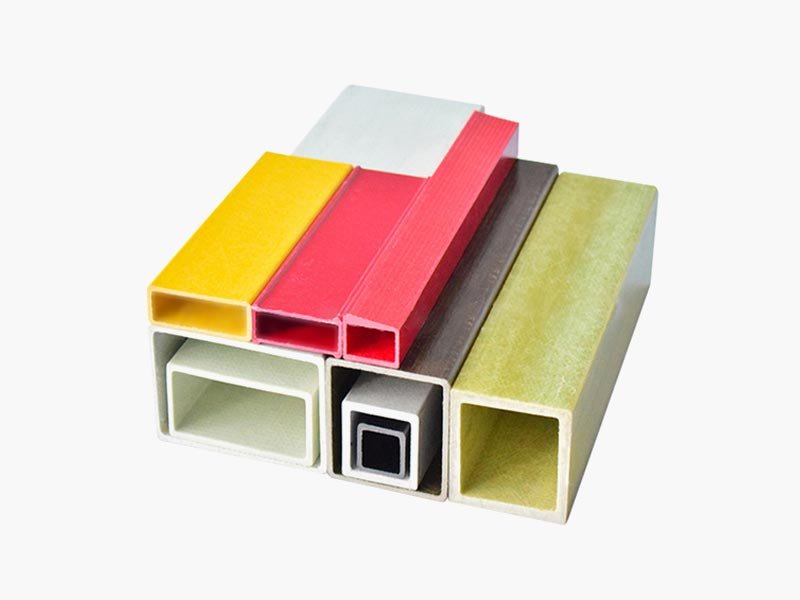
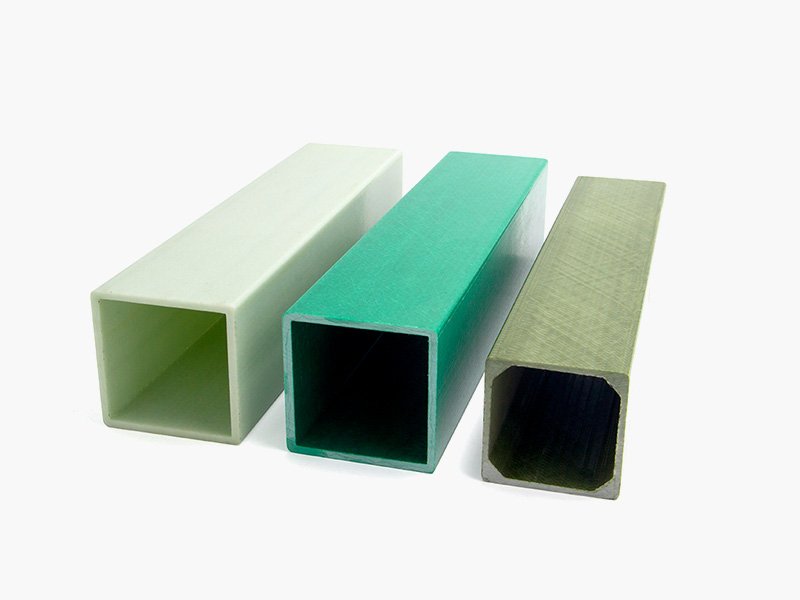
Fiberglass Tubes Fiberglass Tubes Fiberglass Tubes are structural pultruded profiles with excellent corrosion resistance, electrical insulation, and non-magnetic properties. They effectively reduce weight and material consumption while maintaining high structural…GRP pultruded profiles
GRP pultruded profiles GRP pultruded profiles GRP pultruded profiles are made from high-strength glass fiber-reinforced polymer, offering high strength, low weight, excellent corrosion resistance, and good weather resistance. They are…