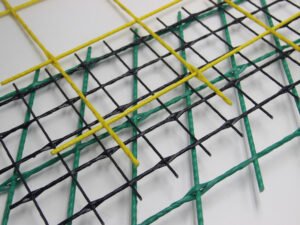
GRP pultruded profiles are widely used in industrial equipment, construction projects, infrastructure, chemical processing facilities, and other applications. In these environments, traditional metal materials often face challenges such as corrosion, excessive weight, and electrical conductivity.
However, selecting the right GRP pultruded profiles involves more than simply choosing the appropriate shape or dimensions. Different projects have varying requirements for load-bearing capacity, structural dimensions, resin systems, environmental resistance, and service life. Even profiles with similar external dimensions can exhibit significantly different performance characteristics due to differences in reinforcement materials, resin formulations, and manufacturing processes.
As a manufacturer of fiber-reinforced polymer (FRP) pultruded profiles, TOLIKE provides customized profile solutions based on project drawings, dimensional requirements, material specifications, and actual operating conditions. This guide outlines the key factors to consider when purchasing Pultruded grp profiles and placing production orders.
Start with the Actual Requirements of the Project
Before selecting GRP pultruded profiles, it is essential to clarify the intended application and operating environment. These factors directly determine the required material system, cross-sectional design, and product specifications.
During the initial selection process, the following factors should be considered:
Identify the intended use of the profiles, such as structural frames, equipment supports, cable management systems, handrails, or access platforms. The installation method and connection details should also be confirmed.
Assess exposure to moisture, rain, UV radiation, salt spray, chemicals, and heat. For corrosive environments, specify the substance, concentration, temperature, and exposure type (continuous or intermittent) before selecting resin.
Determine whether the profiles will be subjected to static loads, dynamic loads, vibration, impact, or repeated loading. The direction and distribution of applied forces are also important considerations.
Some projects require electrical insulation, flame retardancy, antistatic properties, or UV resistance. Specify these requirements before production to ensure proper material and process selection.
Note: Providing accurate application details helps manufacturers evaluate project requirements and recommend a more suitable GRP profiles configuration.
Choose the Right Profile Shape and Dimensions
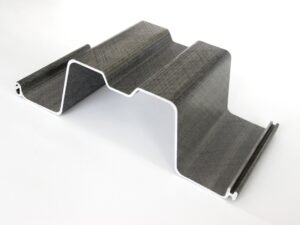
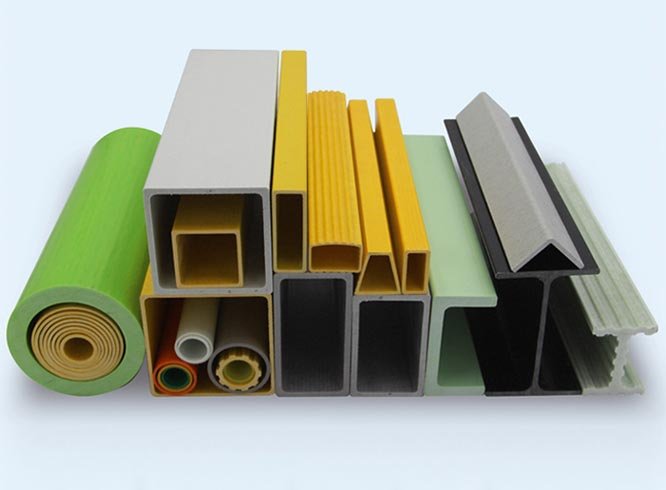
The shape and dimensions of a profile are two key factors that determine the structural performance and installation compatibility of GRP pultruded profiles. Different cross-sectional shapes have different load-bearing characteristics. Buyers should select profiles based on their actual structural requirements.
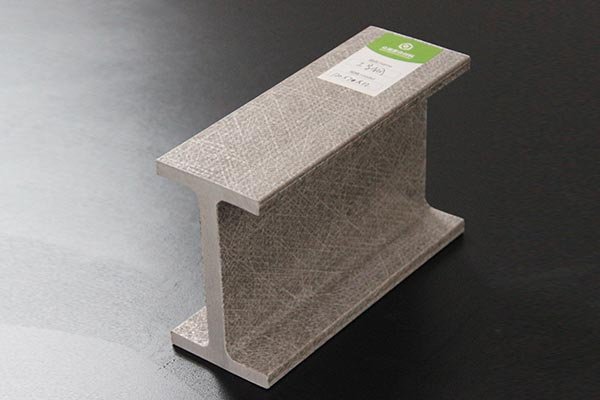
I-Beams
Commonly used for structural supports, load-bearing beams, and support frames.
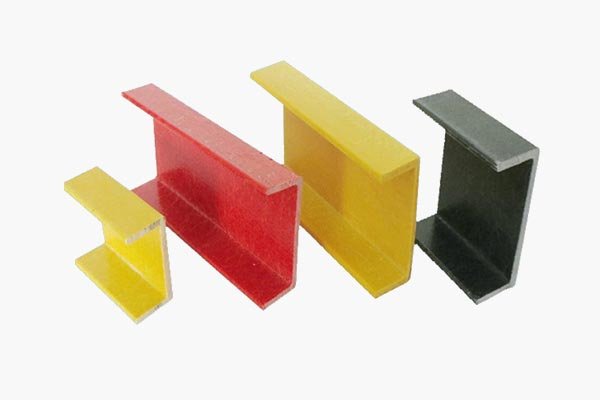
U-Channels
Suitable for equipment frames, support structures, and edge components.
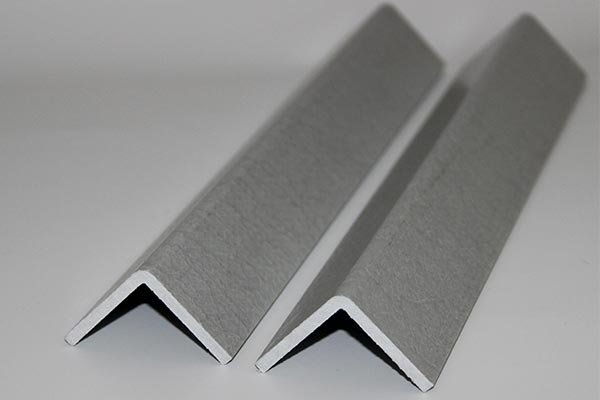
Angle Profiles
Used for connections, brackets, reinforcement, and structural frames.
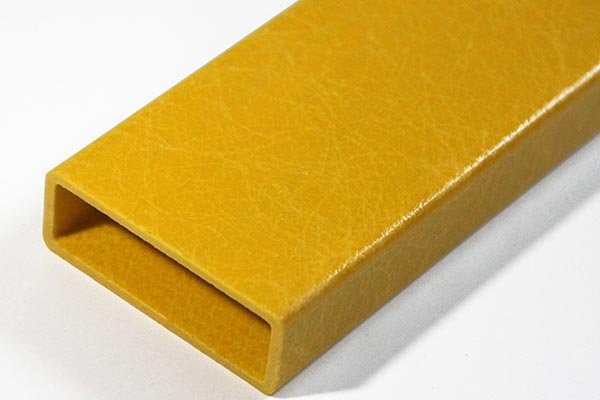
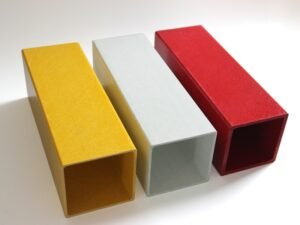
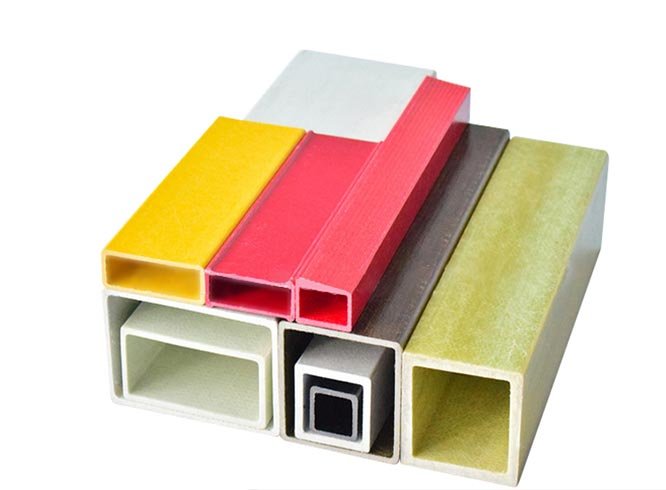
Square and Rectangular Tubes
Suitable for frames, supports, and hollow structural components.
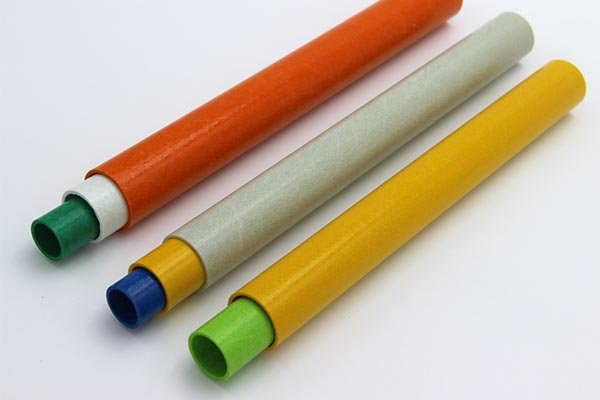
Round Tubes
Used in support structures, protective systems, and various industrial applications.
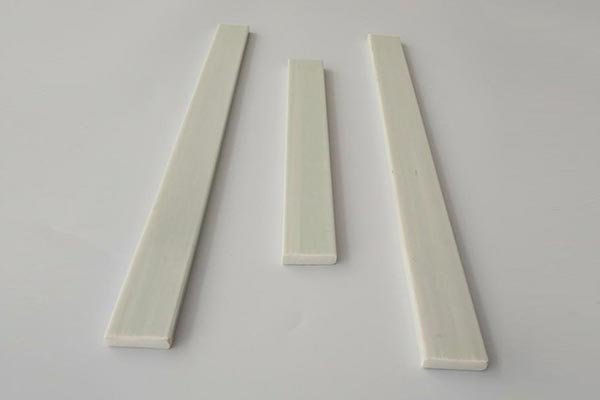
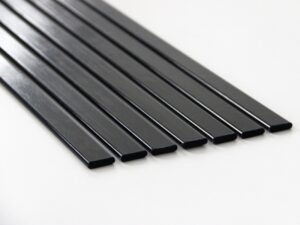
Flat Bars
Commonly used for connection plates, reinforcement components, and general structural applications.
After determining the cross-sectional shape, buyers should also provide the following dimensional specifications:
Wall thickness and cross-sectional dimensions affect a profile’s stiffness, strength, and resistance to deformation. A larger cross-section does not necessarily mean the profile is suitable for every operating condition. Its suitability must be evaluated based on cross-sectional geometry, material system, support conditions, and loading requirements.When standard profile specifications cannot meet project requirements, custom pultrusion dies can be developed to produce specialized cross-sections tailored to the application.
Check Load-Bearing Capacity and Structural Requirements
When GRP pultruded profiles are used in structural engineering applications, load-bearing capacity is a critical consideration. Unlike traditional isotropic materials such as steel, pultruded FRP is an anisotropic composite material, meaning its mechanical properties vary depending on the direction of the applied load.
When evaluating load-bearing performance, buyers and engineers should pay particular attention to the following factors:
Load Direction
The mechanical response of a profile varies significantly depending on whether forces are applied along its longitudinal axis or in different transverse directions across its cross-section. Connection points and localized bearing areas also require careful evaluation.
Support Span
The distance between support points directly affects bending stress and deflection. With the profile specifications and loading conditions unchanged, a longer span generally results in greater structural deflection.
Load Distribution
Uniformly distributed loads and concentrated loads create different stress conditions. For irregularly shaped components and equipment supports, the actual load application points and contact areas must be accurately assessed.
Deflection Limits
Strength is not the only criterion for profile selection. Even if the stress remains below the failure limit, excessive deflection can interfere with equipment operation, affect structural installation accuracy, and potentially reduce the stability of the entire system.
Connection Design
Connection points involving drilled holes, bolts, and brackets are prone to localized stress concentrations. Hole diameter, edge distance, bolt spacing, and connection methods must be designed according to the material properties of FRP. Steel structure connection parameters should not be directly applied without modification.
For load-bearing applications, manufacturers need to provide relevant mechanical property data for the selected profiles. Engineers must use these data, together with the actual support span, loading conditions, and applicable design standards, to verify the final structural design.
Therefore, selecting the right GRP profile requires consideration of the complete structural design, rather than relying solely on its nominal dimensions.
Select the Right Resin System and Reinforcement Materials
The performance of Pultruded GRP Sections depends on the glass fiber reinforcement and matrix resin.
Glass fibers provide most of the profile’s strength and stiffness, while the resin bonds the fibers together and transfers loads between them. The resin also provides protective properties, including resistance to environmental corrosion. Selecting the appropriate combination of glass fiber reinforcement and resin is essential to ensuring that the profiles meet the required performance standards under specific operating conditions.
Glass Fiber Reinforcement Materials
Common reinforcement materials include continuous glass fiber rovings and fiberglass mats.
Continuous rovings are aligned along the length of the profile and primarily provide longitudinal mechanical properties. Fiberglass mats help improve transverse properties, enhance interlaminar bonding within the composite, and improve overall structural stability.
Glass fiber content, fiber orientation, and distribution directly affect the mechanical performance of the profiles. The reinforcement structure should be selected according to the cross-sectional shape and loading conditions of the profile.
Resin System Selection
Different resin systems vary significantly in their resistance to chemical corrosion, water, heat, and fire.
| Resin type | Main characteristics | Typical applications |
| Unsaturated polyester resin | General-purpose performance and cost-effectiveness | General industrial and structural applications |
| Vinyl ester resin | Improved chemical and corrosion resistance | Chemical processing and more aggressive environments |
| Epoxy resin | Good mechanical and adhesive properties | Applications requiring specific mechanical or bonding performance |
| Phenolic resin | Can provide improved fire performance with suitable formulation | Applications with specific fire and smoke requirements |
Resin selection should be based on actual operating conditions. It is also important to distinguish between the general properties of a resin and the actual performance of finished profiles as verified through testing. Fire resistance, chemical resistance, and temperature resistance should be verified against relevant product data and testing requirements.

What Customization Services Can We Provide?
GRP pultruded profiles meet the requirements of a wide range of general industrial applications. However, some projects involve special dimensions, custom cross-sections, specific installation configurations, or performance requirements that standard products cannot meet. In these cases, custom pultruded profiles are a suitable solution.
01——
Custom Cross-Section Design
Customers can provide technical drawings or samples for the development of custom profile cross-sections. Before putting the die into production, the manufacturer evaluates the cross-sectional design, wall thickness, and manufacturing feasibility.
02——
Custom Dimensions and Lengths
The cut-to-length specifications of profiles can be adjusted within the capabilities of the existing die. Changes to the cross-sectional width, height, or wall thickness typically require a new die or modifications to the existing one.
03——
Custom Materials and Resin Systems
Resin systems and glass fiber reinforcement materials can be selected according to mechanical performance requirements, operating environments, and specific application needs.
04——
Custom Colors and Surface Finishes
Colors and surface finishes can be customized to meet project requirements. For outdoor applications, an appropriate UV protection solution should also be incorporated.
05——
Secondary Processing
Additional processing services, including cutting, drilling, machining, and chamfering, can be provided to meet on-site assembly requirements.
For manufacturers, customization involves much more than simply modifying profile specifications. Die design, fiber arrangement, resin selection, production process parameters, and dimensional inspection standards must all be coordinated throughout the manufacturing process.
TOLIKE integrates GRP pultrusion die design and pultruded profile manufacturing capabilities. With technical expertise across the entire production process, we can evaluate customization requirements at every stage and develop suitable solutions based on customer drawings and project specifications.
How to Evaluate the Quality of GRP Pultruded Profiles
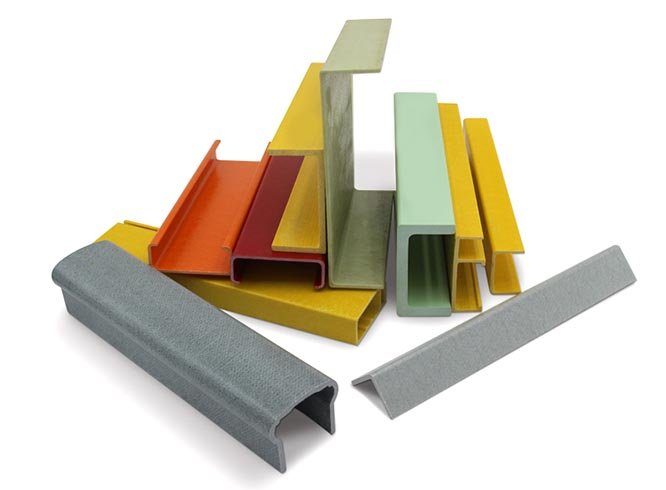
The appearance of GRP pultruded profiles cannot fully reflect their internal material structure or mechanical properties. Even if two profiles have similar dimensions and surface finishes, their reinforcement arrangements, resin systems, and manufacturing quality may differ. Therefore, buyers should use multiple methods to conduct a comprehensive evaluation of product quality.
What Information Should You Provide When Requesting a Quote?
Providing detailed technical information helps us understand your project requirements, assess manufacturing feasibility, and prepare a more accurate quotation. If you plan to purchase GRP pultruded profiles, please prepare the following information whenever possible.
| Information | Details to be Provided |
| Application | Intended use and installation environment (medium, temperature, outdoor / salt spray exposure) |
| Profile Cross-section | Profile type (I-beam, U-channel, angle profile, tube, flat bar or custom section) |
| Dimensions | Width, height, wall thickness, length and dimensional tolerance requirements |
| Technical Drawings | Cross-section drawings or product samples |
| Material Requirements | Resin type and glass fiber reinforcement requirements |
| Load & Performance Requirements | Load conditions, load-bearing capacity, corrosion resistance, UV resistance, fire performance, etc. (For corrosive service, specify medium, concentration and temperature) |
| Color & Surface Finish | Required color and surface treatment |
| Order Quantity | Estimated order quantity or annual procurement demand |
| Machining Requirements | Cutting, drilling, machining or other secondary processing requirements |
| Delivery Requirements (New) | Target lead time and delivery destination |
If you do not yet have complete technical drawings, you can still start the quotation process by providing product photos, basic dimensions, and application details. We will then discuss the feasibility of the proposed solution with you and clarify any additional information required for the next steps.
Conclusion
Selecting the right GRP pultruded profiles involves more than comparing product dimensions and unit prices. Buyers should also consider the actual application environment, cross-sectional design, load-bearing requirements, resin system, reinforcement structure, customization options, and quality inspection procedures.
For projects with specialized structural or environmental requirements, choosing an experienced manufacturer can make a significant difference. A qualified manufacturer can gain a thorough understanding of application requirements, evaluate technical drawings, recommend suitable material solutions, and maintain consistent product quality throughout the manufacturing process.
TOLIKE specializes in GRP pultrusion dies, pultrusion equipment, and GRP pultruded profiles. With comprehensive manufacturing capabilities and extensive experience in customized production, we provide professional profile solutions tailored to customers’ specific requirements for dimensions, materials, and industrial applications.
FAQ
References & Sources
1. Continuous fiber reinforcement and thermosetting resin.-American Composites Manufacturers Association (ACMA)
2. Material selection, structural design, and performance testing.-Francisco De Caso, Alvaro Ruiz Emparanza, Ehsan Harati Khalilabad
3. Profile design, resin systems, and fiber reinforcements.-Strongwell
SIMILAR PRODUCTS
Anti-Corrosion FRP Pultruded Sheet Pile Manufacturer
Anti-Corrosion FRP Pultruded Sheet Pile Manufacturer Anti-Corrosion FRP Pultruded Sheet Pile Manufacturer Corrosion-resistant FRP sheet piles deliver lightweight, high-strength pultruded…High-Strength & Corrosion-Resistant FRP I-Beam Manufacturer
High-Strength & Corrosion-Resistant FRP I-Beam Manufacturer High-Strength & Corrosion-Resistant FRP I-Beam Manufacturer High-strength, corrosion-resistant pultruded FRP I-beam (fiberglass I-beam): lightweight,…