FRP Pultrusion Mould
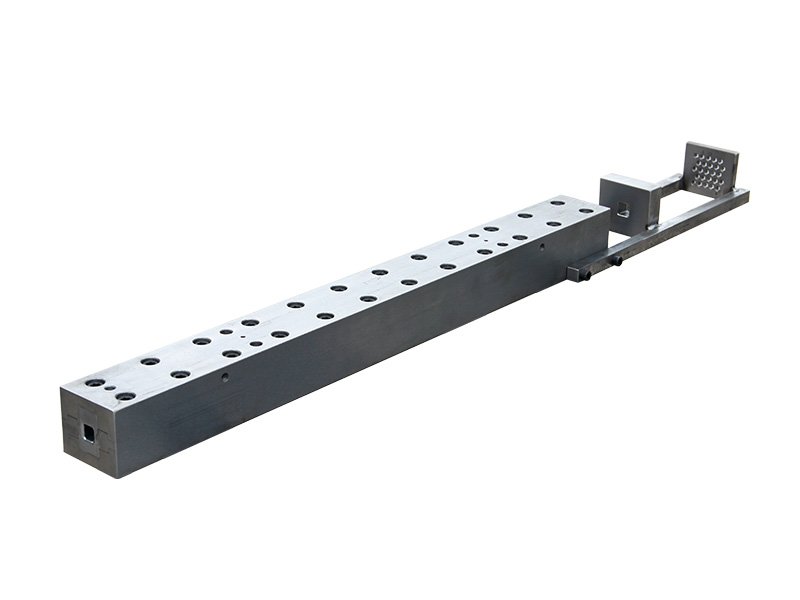
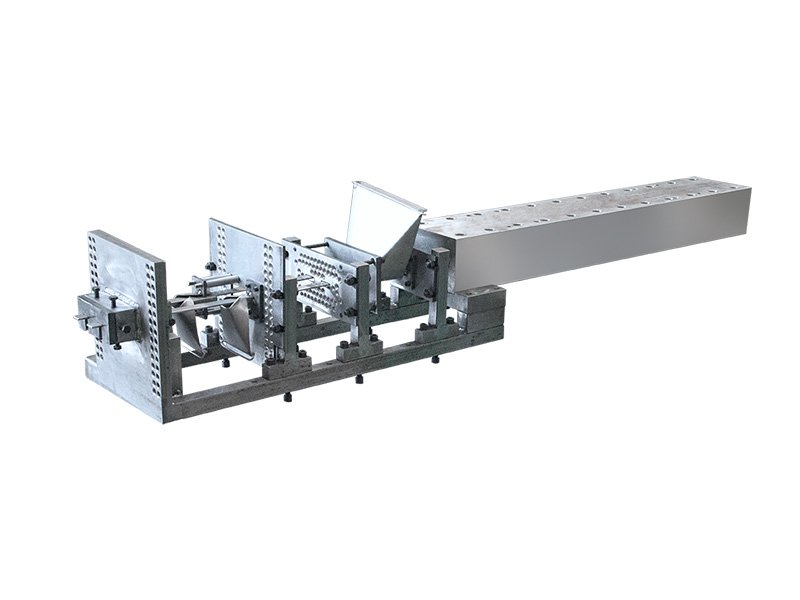
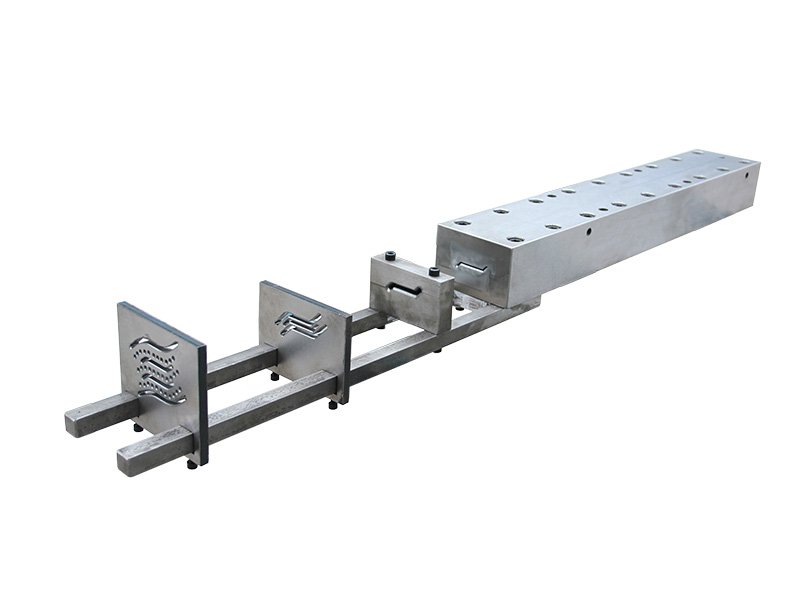
FRP Pultrusion Mould
FRP Pultrusion Mould are the core tooling components for profile forming and play a critical role in controlling dimensional accuracy, surface finish, and production stability.| Capability | Our Manufacturing Range |
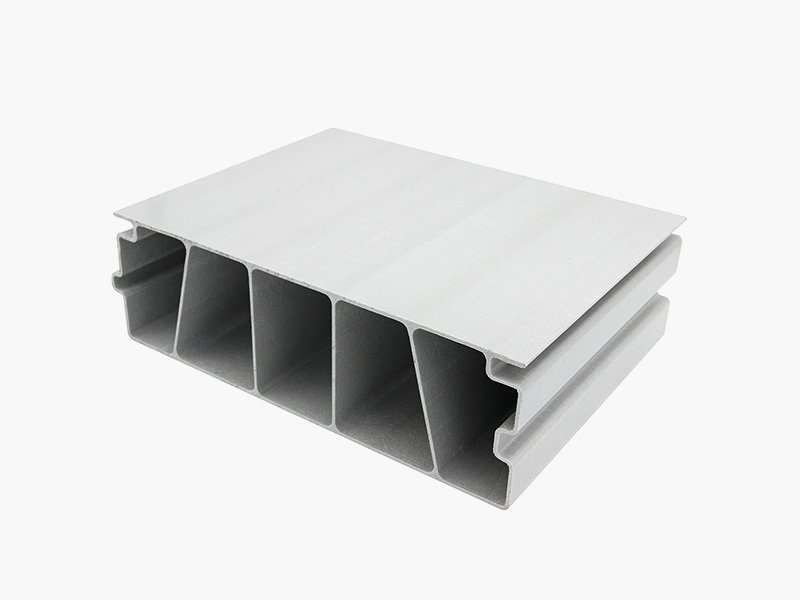
| Profile Shapes | I Beam, Channel, Angle, Tube, Rod, Flat Bar, Custom |
| Resin Systems | Polyester, Vinyl Ester, Epoxy, Polyurethane |
| Length | Custom Cut Lengths Available |
| Surface Finish | Smooth, Gritted, UV Resistant |
| Tolerance | Manufactured in accordance with ASTM D3917 dimensional requirements. |
| OEM / ODM | Supported |
Product categories
Contact Our Team
Get professional support for pultrusion equipment, dies, and profilesProduct details
Main Structure of FRP Pultrusion Mould
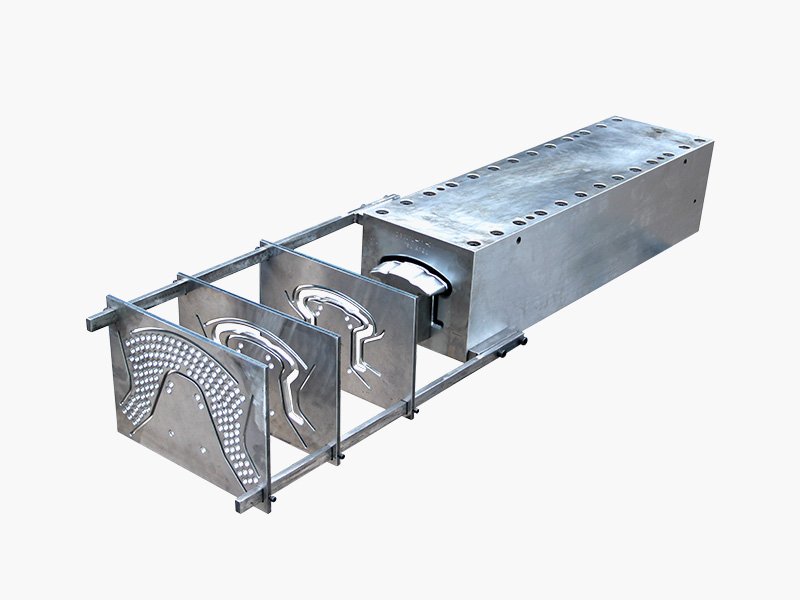
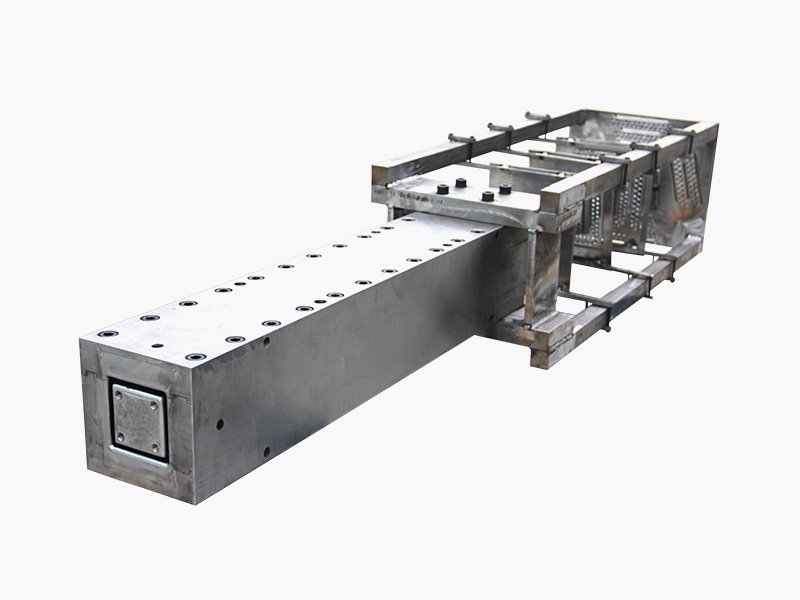
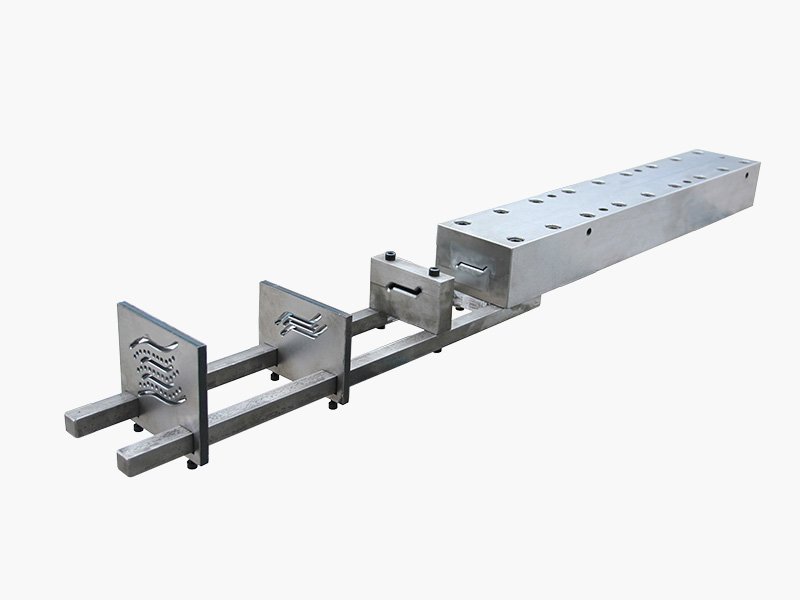
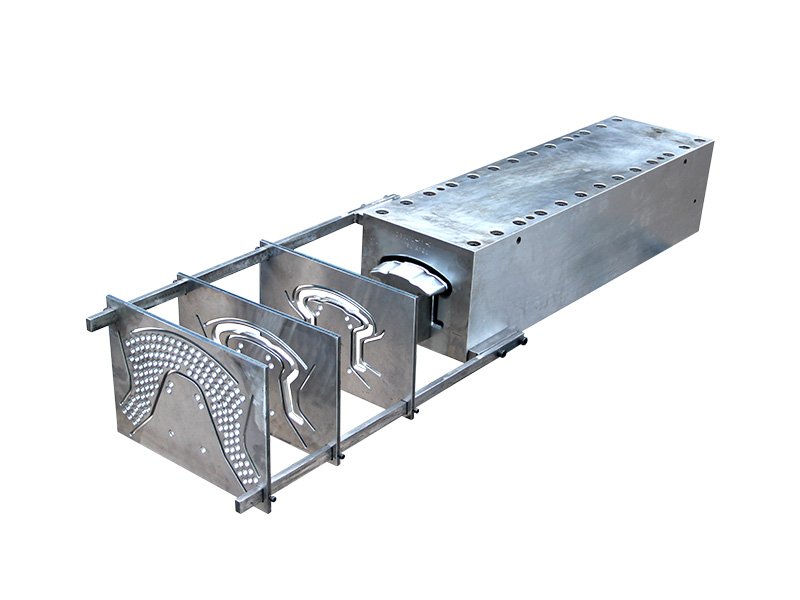
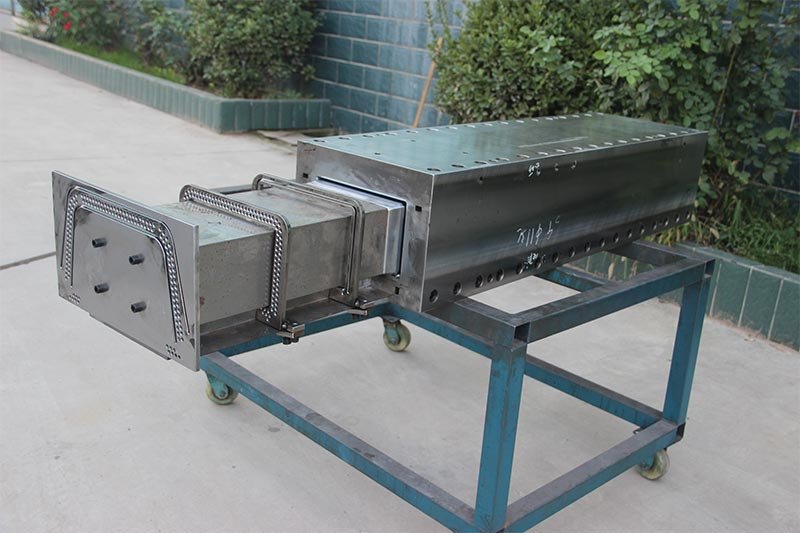
FRP Pultrusion Mould consist of multiple functional components working together. Each part is precisely designed to ensure profile forming quality, dimensional accuracy, and production stability. The key structures include: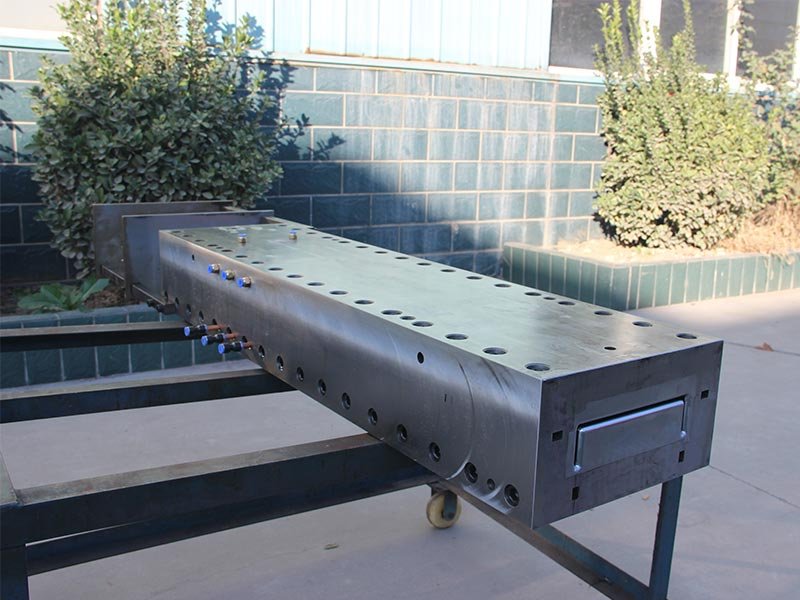
Mould Body
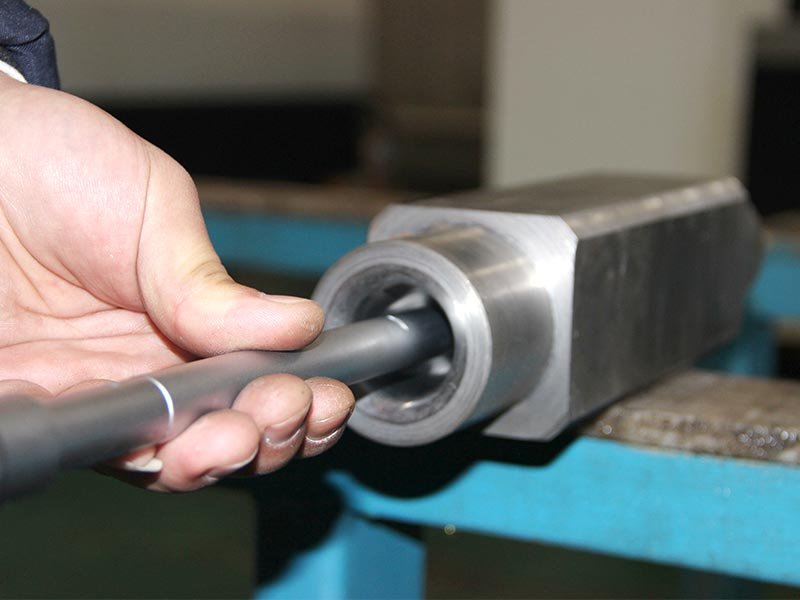
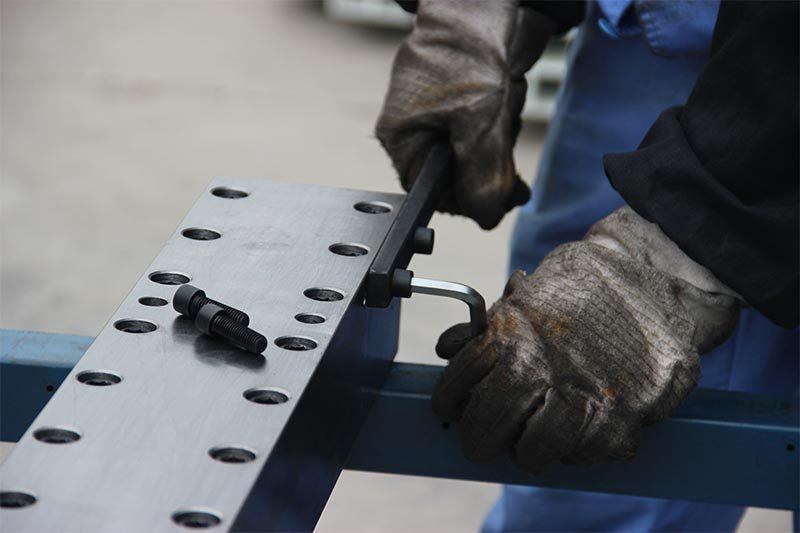
As the main load-bearing structure, the mould body is precision-machined to control cavity dimensions and overall straightness. It ensures accurate profile geometry and smooth surfaces while preventing deformation and dimensional deviations during production.
Mould Core Rod
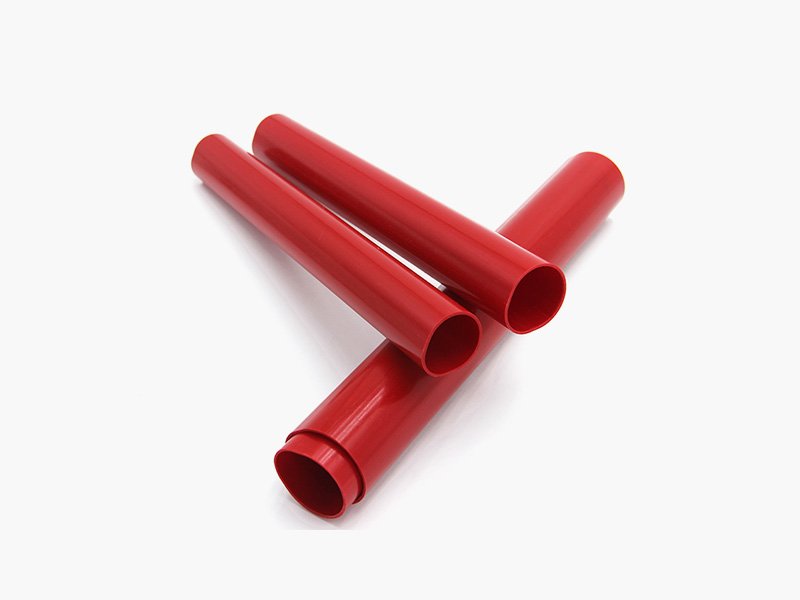
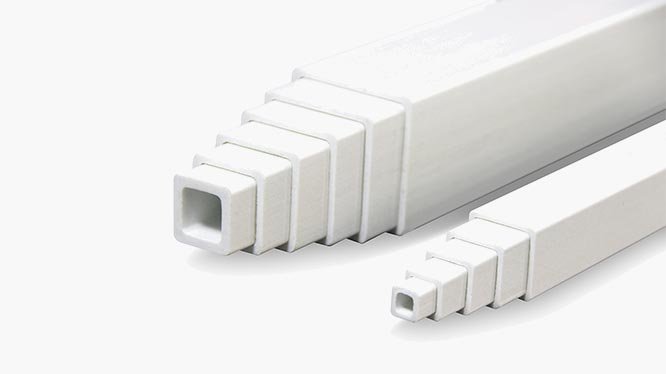
Designed for hollow profiles such as round tubes, square tubes, and customized hollow sections, the core rod precisely controls inner diameter and wall thickness. It helps prevent eccentricity, uneven wall thickness, and twisting, ensuring consistent hollow profile quality.
Temperature Control & Heating System
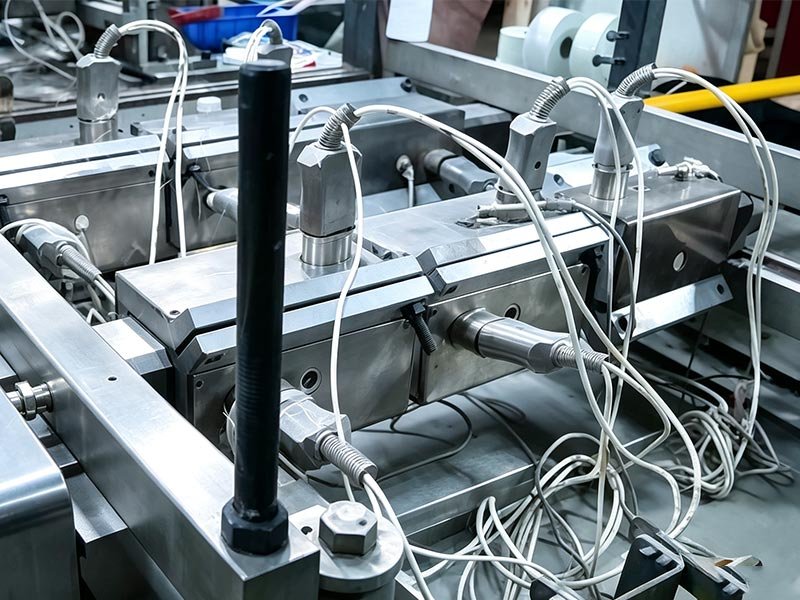
The mould features a built-in uniform heating channel system to maintain stable temperature distribution throughout the mould cavity. This ensures complete and even resin curing, eliminating defects such as soft cores, delamination, incomplete curing, and surface deformation.
Working Principle of GRP pultrusion mould
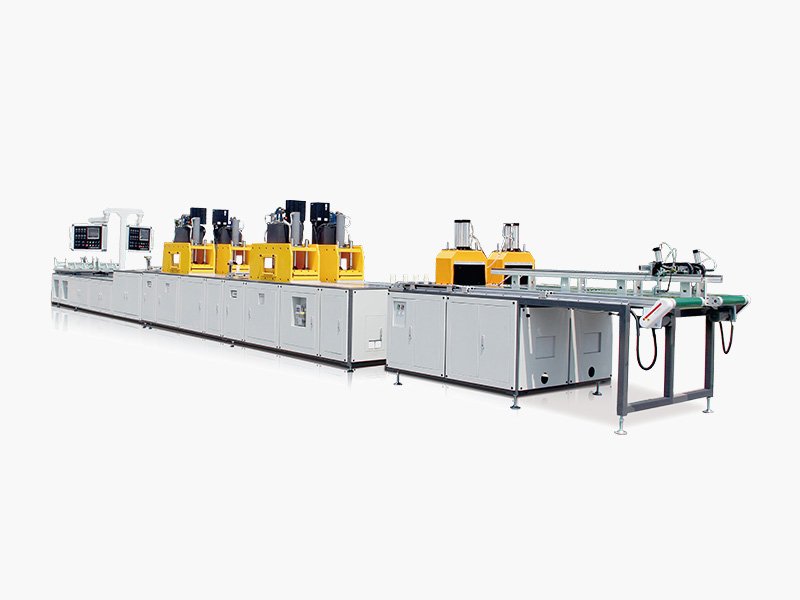
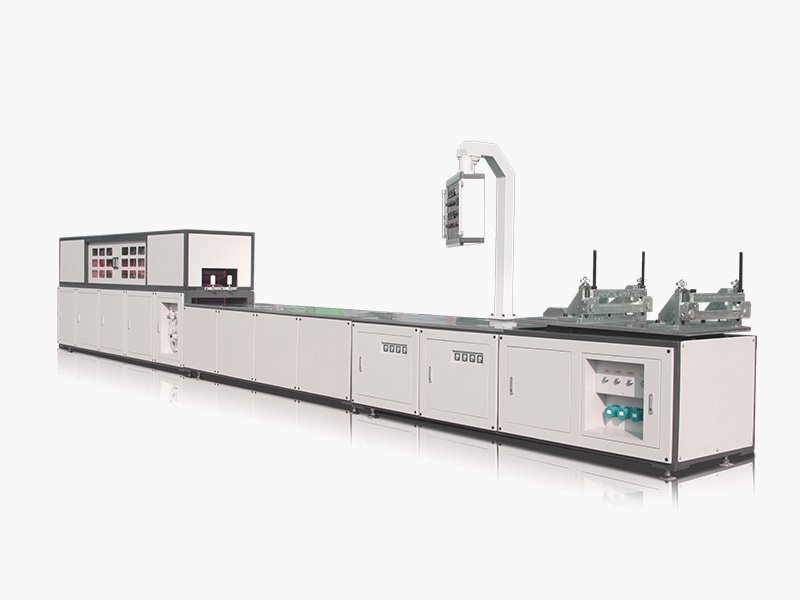
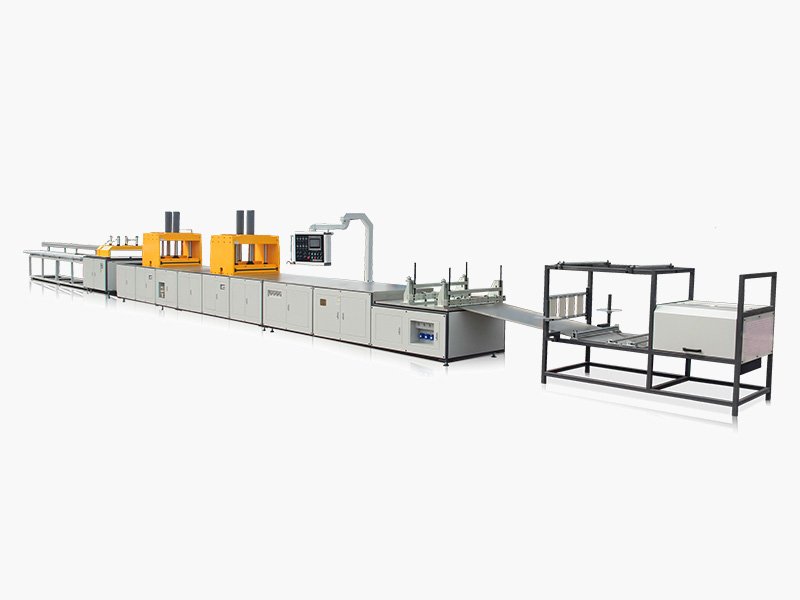
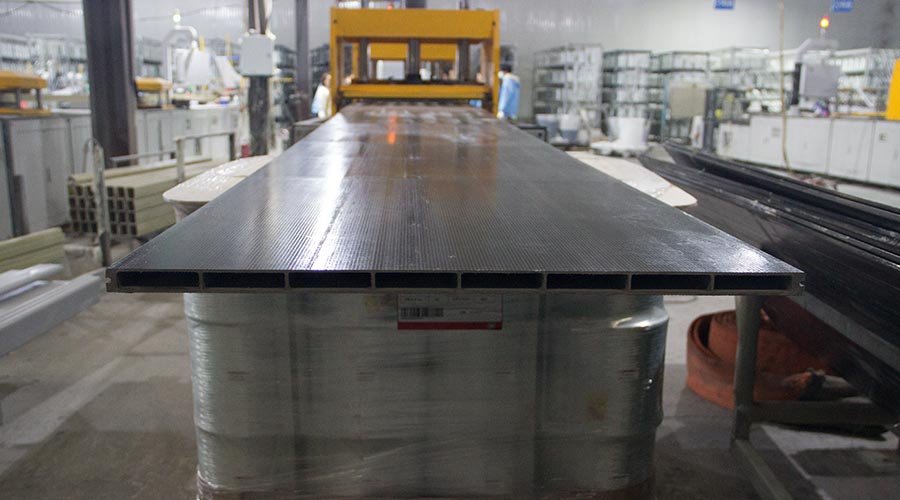
During the pultrusion process, resin-impregnated fiberglass is precisely aligned through the guiding system and continuously fed into the mould cavity. The material is then compressed, shaped, and fully cured under controlled heating conditions. After continuous pulling and stretching, the finished profile is formed with consistent dimensions and cross-sections, followed by precise cutting to the required length.The highly automated process ensures uniform forming, excellent batch consistency, and stable continuous production, significantly improving manufacturing efficiency and product quality.
Core Process & FRP Pultrusion Mould Advantages
Premium Material & Long Service Life
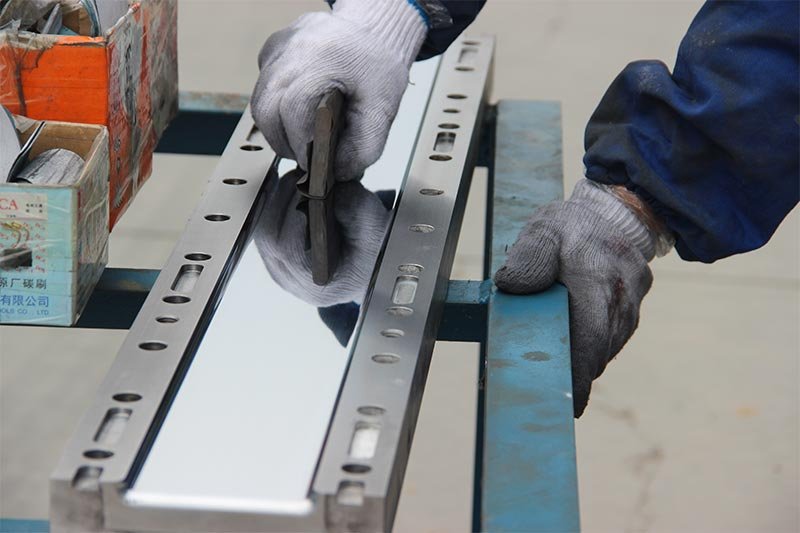
FRP Pultrusion Mould are made from high-quality alloy steel with hardening treatment and mirror polishing, providing excellent hardness and wear resistance. The mould structure and heating system are optimized for different resin systems, including polyester, epoxy, and polyurethane, reducing resin buildup and demoulding resistance while extending mould life.
Precision Machining & High Accuracy
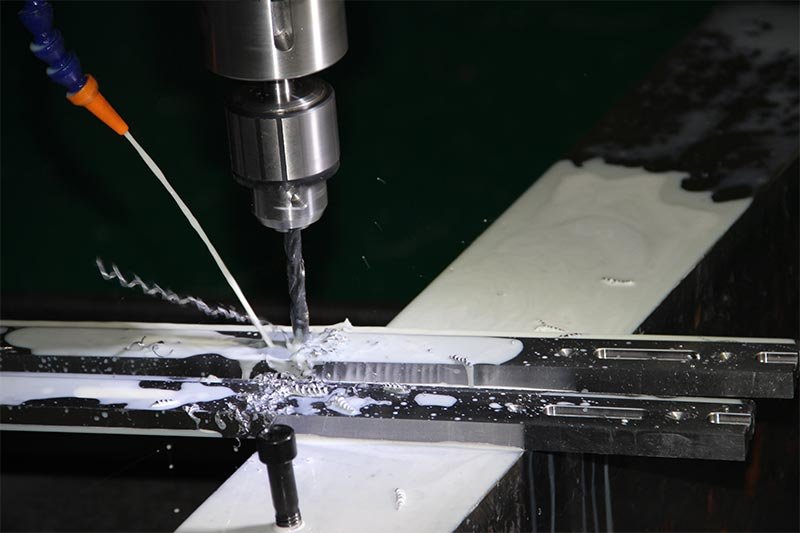
Integrated CNC precision machining ensures strict control of cavity tolerances and straightness. Optimized fiber guidance and feeding structures ensure smooth fiberglass alignment and uniform resin impregnation, effectively preventing defects such as resin shortage, delamination, twisting, and surface waviness, while improving profile consistency and yield rate.
Stable Continuous Production Performance
Built-in balanced heating channels provide uniform temperature distribution and controlled mould cavity heating, ensuring complete resin curing and consistent product performance. The mould effectively reduces defects such as uneven curing, color variation, and internal soft cores, supporting high-efficiency continuous pultrusion production.
Integrated Manufacturing Capability & Custom Solutions
With in-house pultrusion equipment development, FRP profile production, and mould manufacturing, we provide optimized tooling solutions based on real production conditions. We support custom mould design for round tubes, square tubes, I-beams, channels, angles, electrical insulation profiles, railing profiles, and other non-standard sections based on drawings or samples.
Suitable Customers
FRP Profile Manufacturers with Existing Pultrusion Lines
Manufacturers requiring new moulds and customized non-standard FRP profile sections for new product development, capacity expansion, and mass production.
Manufacturers Upgrading Old FRP Pultrusion Mould
Factories facing low mould accuracy, resin buildup, poor surface finish, low output, and reduced yield, requiring high-quality mould replacement solutions.
FRP R&D and Custom Profile Developers
Companies focused on FRP innovation that need customized moulds, new profile development, trial mould testing, and cross-section validation for new applications.